
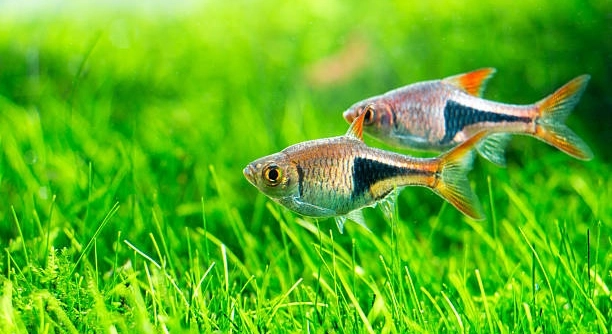
Have you ever set up a tank full of small, colorful fish and wondered if they care about the objects around them?
Rasboras are not known to form emotional attachments to items, but they may interact repeatedly with specific objects due to environmental familiarity, comfort, or curiosity. These behaviors are instinctual rather than emotionally driven.
Environmental layout can still influence their behavior in subtle ways. Learning more about these patterns can help improve their well-being in a home aquarium.
How Rasboras React to Their Environment
Rasboras are small, peaceful fish that thrive in well-maintained community tanks. They are schooling fish, meaning they feel most comfortable in groups, and their behavior reflects their need for stability. When kept in a consistent environment, rasboras may be seen swimming near the same plants, decorations, or structures repeatedly. This does not mean they are forming attachments in the way humans might think of them, but rather they’re reacting to what feels familiar and safe. Items that create shade, shelter, or resting spots will naturally become more attractive. If those objects are removed or moved around often, rasboras can become stressed or less active. Their comfort often depends on a predictable layout, which makes them feel secure and reduces skittish behavior. A simple tank with gentle lighting, calm waters, and regular patterns of movement helps rasboras maintain their health and natural habits without unnecessary stress.
Rasboras use their surroundings as part of their survival behavior. They seek hiding spots, consistent swimming routes, and low-stress zones.
Maintaining a steady tank environment with minimal disruptions supports healthy rasbora behavior. If you’re changing the tank setup too often, they may not settle well, leading to shy or erratic movement. Stability is key for their well-being.
Why Familiar Items Matter to Them
Rasboras often return to specific items because of structure and comfort, not because of emotional ties.
When rasboras interact with a particular object repeatedly, such as a leafy plant or a rock cave, they’re usually responding to the cover it provides or how it fits into their swimming pattern. Fish don’t form sentimental bonds, but they are drawn to places that feel safe or serve a purpose. If you observe your rasboras gathering around a certain area often, it’s likely that spot helps reduce their stress levels or meets some basic need like shelter or rest. Over time, they can develop strong routines and may react to changes in layout by becoming timid or hiding more than usual. This is a normal reaction and not a sign of attachment. To support their natural behaviors, it’s best to keep decorations in familiar places and add changes slowly. This way, they can adapt without feeling overwhelmed or disturbed in their daily patterns.
How Changes in Items Can Affect Rasboras
Sudden changes to tank decorations can cause rasboras to behave differently. They may become skittish, hide more often, or avoid areas they previously used regularly. This shift is usually temporary but can impact their comfort levels.
If a rasbora is used to swimming through a certain plant cluster or hiding near a specific rock, removing or relocating that item can disrupt its established patterns. This may lead to stress or reduced activity. Fish rely heavily on their surroundings for navigation and safety. When their environment changes too often or too drastically, it can confuse them. Even though they don’t form emotional attachments to items, rasboras are still sensitive to environmental shifts. It helps to make small changes gradually and observe their reactions. That way, you can adjust the tank without overwhelming them or triggering discomfort that may affect their health.
Even simple objects, like floating leaves or driftwood, can serve as helpful landmarks in the tank. Rasboras often organize their movement around familiar objects. When these are moved or replaced, the fish may hesitate to explore the area or avoid it altogether. Giving them time to adjust and re-establish new patterns is important. Stability keeps them relaxed and active.
Signs Your Rasboras Are Unsettled by Item Changes
When rasboras are unsettled, you might notice that they group more tightly, hide more than usual, or avoid areas they previously enjoyed. These signs usually appear within a day or two of a noticeable tank change.
They may also stop schooling in their normal patterns and begin darting around quickly, especially if a familiar item was removed or rearranged. Some fish may stay near the bottom or behind objects for longer periods. These behaviors are linked to their need for predictability and safety. While not harmful in the short term, ongoing changes without enough adjustment time can weaken their immune system due to stress. Watching how they behave after a new item is added or moved can give you a better idea of their comfort level. If things seem off, consider putting some items back in their original place or allowing more time between changes to ease their response.
Do Rasboras Remember Specific Objects?
Rasboras likely remember objects based on routine rather than memory. They return to items they’ve used before because those areas offer shelter, feeding access, or easy swimming paths—not because they recall the object itself emotionally.
Fish behavior often looks like memory, but it’s more about repetition. Familiarity helps them feel safe.
What This Means for Aquarium Setup
When decorating a rasbora tank, it’s best to keep the layout consistent. Changes should be minimal and spaced out, allowing the fish time to adjust. Choose plants and decor that offer shelter and open swimming space. Avoid overloading the tank with too many large objects that may block their natural flow. Rasboras benefit from open areas to swim in groups and quieter zones to rest. Items like soft plants, driftwood, and smooth rocks can create balance without overwhelming them. Once placed, try not to rearrange everything at once. Sudden shifts may cause hiding or erratic behavior. Observing how your rasboras interact with specific areas will help you understand what they prefer and what keeps them calm.
Keep Their Environment Predictable
A steady, familiar setup supports healthy behavior. Rasboras thrive when their tank feels safe and routine, helping them stay active and comfortable.
FAQ
Can rasboras feel emotions toward objects?
Rasboras do not feel emotions in the way humans or some mammals do. Their behavior is driven by instinct and routine. When you see them returning to a certain decoration or plant, it’s not because they’re emotionally attached, but because that item serves a specific function. It may offer shade, a hiding place, or mark a safe swimming area. While they seem to “like” certain spots, this preference is based on comfort and familiarity, not feelings. Keeping the environment steady helps them maintain a sense of safety, which reduces stress and encourages natural behaviors.
Do rasboras have memory?
Rasboras show signs of basic memory, mostly related to their surroundings. They can remember feeding times, where food usually appears, and where they feel safe. Their memory is short-term and instinct-based. They likely don’t “remember” objects in a meaningful way, but if something has been in the same place for a while, they recognize it as familiar. Removing or replacing that object can temporarily disrupt their behavior. So while they don’t recall specific items emotionally, they can build a predictable routine around them, which is important for their comfort in the tank.
How often should I rearrange my rasbora tank?
It’s best to keep changes to a minimum. Rearranging the tank too often can unsettle rasboras, especially if done all at once. If you need to clean or make changes, move one or two items at a time and wait several days before adjusting anything else. This gives the fish time to adapt. Frequent, full rearrangements can stress them out and may lead to hiding, darting, or less activity. A stable environment is better for their health. If you’re introducing a new decoration, place it gently and monitor how they respond before moving anything else.
Can rasboras bond with other fish more than with objects?
Yes, rasboras form social bonds with other fish of their kind. They are schooling fish and prefer to stay in groups. You’ll often see them swimming together, reacting to each other’s movements, and gathering in safe spots. This behavior helps them stay calm and feel protected. Their attachment to other rasboras is stronger and more natural than any connection to objects. If kept alone or in too small a group, they can become stressed or withdrawn. Keeping at least six rasboras together helps them maintain these natural social patterns.
What are signs that rasboras are stressed by tank changes?
When stressed, rasboras may hide more, stop schooling, dart quickly from one side of the tank to the other, or stay in one spot. You may also notice reduced appetite or erratic swimming. These changes often happen after major layout changes or when familiar objects are removed. Their stress is usually temporary if the environment stabilizes again soon. If they remain withdrawn for several days, consider returning the setup to how it was or simplifying the tank. Giving them time to re-establish their routine usually helps them return to normal behavior.
Do all rasboras behave the same way toward objects?
Most rasboras show similar behaviors, but individuals may have slight differences. Some may spend more time in shaded areas, while others swim closer to the top. Their response to tank decorations depends on their position in the tank, light levels, and group dynamics. What feels safe or appealing to one fish may not attract another as strongly. Still, the general pattern remains: they respond to familiar layouts and react to changes. Observing their habits over time helps you understand what works best for your group.
Can I add new items without stressing them out?
Yes, but add them slowly and in moderation. Choose one item at a time, place it in a quiet area of the tank, and avoid moving existing decorations around too much. Watch your rasboras over the next day or two. If they remain active and schooling, the change didn’t upset them. If they start hiding or acting differently, consider moving the item or waiting longer before making another change. Gradual adjustments allow rasboras to stay comfortable while still enjoying a refreshed environment.
What types of decorations do rasboras prefer?
Rasboras prefer soft, natural-looking decorations that provide shelter and open space. Live or silk plants, driftwood, and smooth rocks work well. Avoid sharp or overcrowded items that limit their movement. Decorations that break the light slightly or offer hiding spaces are often favored. Keep the layout simple and balanced. Large, bright, or unfamiliar objects may be avoided at first. Once they become part of the routine, rasboras will use them for shade or as landmarks in their swimming path. Keep most of the open area free for schooling, and place decor around the edges for the best setup.
Final Thoughts
Rasboras are simple fish with gentle behavior. They don’t form emotional bonds with objects, but they do rely on familiar surroundings to feel safe. When the tank setup stays the same, rasboras tend to show calm, steady activity. They return to certain spots because they recognize them as part of their daily routine. While it might look like attachment, it’s actually just a response to comfort and predictability. Their actions are shaped by the layout of their environment. When that layout stays stable, they feel less stress and are more likely to swim openly with their group.
It’s helpful to understand that even small changes in the tank can affect rasboras. Moving a plant, adding a rock, or replacing a decoration can lead to temporary behavior shifts. These changes don’t cause harm on their own, but if done too often, they may make the fish feel unsettled. Keeping your rasboras in a calm space with soft lighting, shelter, and plenty of room to swim is usually the best approach. Add new items slowly and give your fish time to adjust before making more changes. Watch how they react, and use their behavior as a guide. If they stay active and group together, the environment is likely working well for them.
In the end, rasboras do best in tanks where things don’t change too quickly or too often. They benefit from consistency and gentle care. You don’t need fancy decorations to make them happy—just a balanced layout with plants, open space, and soft hiding areas. Understanding how they interact with their surroundings can help you make better choices for their care. By respecting their need for routine and simplicity, you create a space where they can thrive. Their well-being depends more on how their environment feels than what it looks like. A calm, familiar tank will always be more valuable than one that is constantly being updated or rearranged.

Hello,
If you enjoy the content that we create, please consider saying a "Thank You!" by leaving a tip.
Every little bit helps us continue crafting quality advice that supports the health, happiness, and well-being of pets around the world, for pets of all shapes, sizes, and species.
We really appreciate the kindness and support that you show us!