
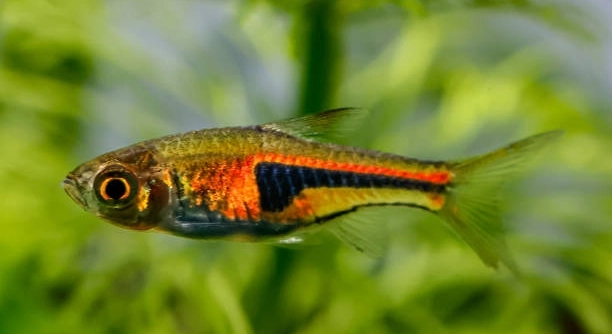
Do you ever find yourself watching your rasboras and noticing they always seem to face the same direction in the tank? It’s a small behavior, but it can catch your attention and make you curious about what’s behind it.
Rasboras might face one direction in response to a steady water current in the tank. Like many small schooling fish, they often orient themselves against the flow to stabilize their position, improve oxygen intake, and remain alert to changes.
This common behavior can tell you a lot about your aquarium setup and the natural instincts of your fish. Keep reading to learn how environment, tank flow, and schooling habits influence this pattern.
Why Rasboras Respond to Water Flow
Rasboras often face one direction in tanks because of how water moves. Many aquariums have a filter or air pump that creates a steady current. Rasboras, like most schooling fish, naturally align themselves to face into the flow. This helps them stay stable and avoid being pushed around. In the wild, they swim in streams and rivers, so this instinct helps them feel more secure. Facing into the current also helps them breathe easier by letting water move over their gills. It reduces effort and keeps them in place without using too much energy.
This behavior is not random. It’s part of how rasboras adapt to their environment.
If your rasboras are always swimming in one direction, check where your filter or air stone is placed. A strong or uneven current can influence how and where your fish gather. Keeping the flow steady and gentle can help your fish feel more comfortable and safe.
How Tank Setup Plays a Role
Your tank layout affects how your rasboras swim.
Plants, rocks, and decorations can break up or redirect water flow. If there’s a strong current in one part of the tank, your rasboras will likely gather there to face into it. Adding or adjusting tank decorations can influence how water moves. Filters placed near the surface can cause stronger currents below. Some rasboras may avoid those spots if the flow is too strong, while others may swim toward it and form a group. This behavior helps them stay balanced. It’s a good idea to observe your rasboras after any changes to the tank layout. If you notice stress, consider moving items or adjusting the filter output. Creating calm zones in the tank can help fish relax. It’s not just about where the current comes from but also how much open space is around it. A well-planned setup makes it easier for rasboras to swim naturally without getting tired.
Schooling Behavior and Safety
Rasboras are schooling fish, which means they feel safest in a group. Facing the same direction together helps them stay organized and react quickly if they sense danger. This behavior also keeps the group moving in sync without confusion.
In the wild, rasboras use schooling to avoid predators. By swimming in the same direction, they appear as one large body, which makes it harder for predators to target an individual. In your tank, they mimic this same behavior even if no threats are present. It’s instinctive and helps them feel secure. Facing one direction together also helps them stay close to each other. When fish in a school scatter or turn randomly, it creates stress. A steady pattern of movement, including facing one way, supports their natural habits and lowers anxiety. That’s why you’ll often see your rasboras lining up neatly, especially when the tank is quiet.
Even in peaceful tanks, rasboras rely on each other for safety. This behavior isn’t just about habit—it’s part of how they manage stress and feel secure. When one fish starts to turn, the rest follow quickly. It’s a communication method that keeps the group united. Their sharp awareness of each other creates a calming rhythm in the tank.
Light, Shadows, and Tank Position
The position of your tank and the light in your room can influence how your rasboras behave. Fish respond to light sources, and if one side of the tank is brighter, they may face away from it or group in shaded areas. Shadows can also trigger movement.
If your rasboras consistently face a certain direction, check the lighting and nearby movements. Fish often react to light changes, including sunlight from a window or overhead lamps. A tank near a window may lead to stronger light patterns during the day, causing rasboras to favor one side. Sudden shadows or people walking past can also affect how they position themselves. Try soft, even lighting to reduce stress. Keeping your tank in a calm corner of the room helps create a more consistent environment. Balanced lighting and limited foot traffic can lead to more natural, relaxed behavior. Small changes in your setup may have a big impact.
Temperature and Flow Balance
Cooler water tends to hold more oxygen, which encourages rasboras to gather in areas with steady flow. Facing one direction helps them breathe easier in these zones. Warmer areas without flow might be avoided due to lower oxygen levels.
If water temperature is uneven, rasboras may stick to the side where the flow helps with oxygen exchange. This can lead to them all facing that way. Adjusting your heater and filter placement can help create a more balanced environment across the whole tank.
When Behavior Seems Unusual
If your rasboras suddenly stop schooling or start facing random directions, check the tank’s water quality. Poor conditions can stress them and lead to odd patterns. Regular tests and partial water changes help maintain stability and support their natural habits.
Final Thoughts Before Adjustments
Observation matters more than guessing. Before changing things in your tank, watch your rasboras for a few days. Their patterns can tell you what they prefer.
FAQ
Why do rasboras always face the filter?
Rasboras often face the filter because it creates a consistent water flow. Facing into the current helps them stay in place with less effort. It also allows water to pass smoothly over their gills, which helps them breathe better. In the wild, rasboras swim in streams and rivers with flowing water, so this instinct carries over to aquariums. If your filter creates a gentle but steady current, you may notice your rasboras naturally align themselves in that direction. It’s a normal and healthy behavior as long as they aren’t getting pushed around or hiding.
Is it normal for all my rasboras to face one direction at the same time?
Yes, it’s completely normal. Rasboras are schooling fish, and they rely on group coordination to feel safe. When they all face one direction, it usually means the tank conditions support their instincts. They’re likely responding to flow, lighting, or layout. In nature, this alignment helps them react quickly to danger. In a tank, it shows they’re alert but comfortable. If they’re swimming calmly, eating well, and showing no signs of illness, this behavior is nothing to worry about. It simply reflects their natural habits and sensitivity to their surroundings.
Could my tank layout be influencing their swimming direction?
Absolutely. The way your tank is arranged can guide the flow of water and shape how your rasboras move. Large decorations, tall plants, and filter placement can all affect current direction. If there’s only one area with a strong, steady flow, your rasboras may group there and face into it. On the other hand, if the flow is scattered or too strong, they might spread out or show signs of stress. Try moving plants or decorations to break up harsh flow and create calm zones. Watch how your fish react to small changes before making bigger adjustments.
Can poor water quality affect their swimming behavior?
Yes, poor water quality can disrupt their usual patterns. High ammonia, nitrite, or nitrate levels can cause stress and confusion in fish. Rasboras may stop schooling or swim in strange directions if they’re uncomfortable. Test your water regularly and perform partial water changes when needed. If your rasboras suddenly stop facing one direction or begin acting differently, water quality should be one of the first things you check. Stable, clean water supports their natural behavior and reduces stress. Healthy rasboras tend to move smoothly and stay together, especially when water conditions are right.
Do rasboras face one direction when they are sleeping?
Rasboras don’t sleep the way humans do, but they do rest. During rest periods, they often remain in place, sometimes hovering near plants or still water. They may still face into the flow, especially if it helps them stay stable with little movement. A calm rasbora at rest will typically show slower gill movement and stay close to its group. If they continue to face one direction while resting, it usually means they feel safe and undisturbed. Just make sure there are no strong currents pushing them constantly while they rest.
Should I be concerned if they stop facing the same direction?
Not always. A shift in direction doesn’t automatically mean something is wrong. Rasboras might explore other parts of the tank, follow food, or react to changes in the room. However, if they seem scattered, breathe rapidly, or show signs of stress, check for issues like temperature spikes or poor water quality. You can also look for signs of aggression from other tankmates. If everything checks out and the behavior settles back to normal, it’s likely nothing to worry about. Subtle shifts are part of fish behavior and can vary slightly from day to day.
How can I support their natural habits in my setup?
Keep the water clean, the temperature stable, and flow gentle. Avoid strong bursts of current or sudden lighting changes. Use plants or smooth decorations to provide resting spots and cover without blocking all movement. Make sure your filter output is steady but not overpowering. Try to place it in a way that encourages consistent, mild flow across the tank. Observe your rasboras after changes and see where they like to swim most. Matching your setup to their needs helps them feel secure, stay healthy, and display natural group behavior like facing one direction together.
Final Thoughts
Rasboras are peaceful, active fish that rely on small patterns to feel safe. One of those patterns is swimming in groups and facing the same direction. This behavior is not random—it’s part of how they stay calm and balanced in their environment. Whether it’s caused by water flow, lighting, or tank setup, facing one direction helps them manage energy and feel secure. Many aquarium fish share this habit, but rasboras tend to show it more clearly because of their strong schooling instincts. Watching them move together can be a sign that your tank is set up in a way that supports their natural needs.
Sometimes, small things like a change in water temperature, lighting from a nearby window, or a shift in how the filter is placed can influence their behavior. If your rasboras suddenly stop facing one way or begin to scatter, it’s worth checking for any small changes. Water quality is especially important—unbalanced levels can lead to stress and confusion. Giving them a tank with gentle flow, soft lighting, and clean water helps them stay healthy and keeps their behavior steady. Even though the habit of facing one direction may seem simple, it tells you a lot about how your rasboras are feeling.
Keeping rasboras comfortable is not complicated. It mostly involves creating a stable, calm space where they can swim freely and rest when needed. Try not to make sudden changes in their environment, and watch how they react after you clean the tank or move decorations. If they continue schooling and calmly facing one direction, that usually means they are content. These small fish have quiet habits that can be easy to miss, but when you take the time to notice them, they offer insight into your tank’s overall balance. Understanding why they do what they do can help you care for them better, and it makes keeping rasboras a more rewarding experience.

Hello,
If you enjoy the content that we create, please consider saying a "Thank You!" by leaving a tip.
Every little bit helps us continue crafting quality advice that supports the health, happiness, and well-being of pets around the world, for pets of all shapes, sizes, and species.
We really appreciate the kindness and support that you show us!