
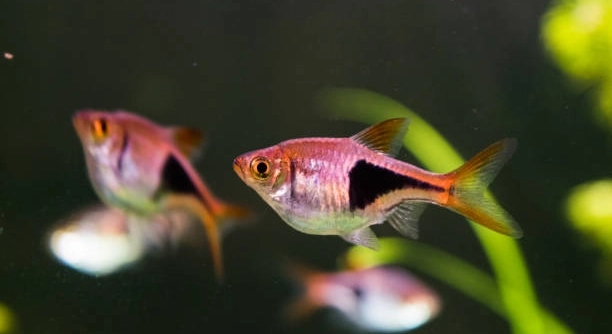
Many aquarium owners enjoy keeping rasboras because of their peaceful nature and bright colors. Sometimes, these small fish begin circling repeatedly in their tank. This behavior can be puzzling and may cause concern among fish enthusiasts.
Rasboras that circle continuously often display signs of stress, illness, or environmental imbalance. Key factors include poor water quality, lack of hiding spaces, or inadequate diet. Addressing these issues promptly helps restore normal behavior and fish well-being.
Recognizing why your rasbora acts this way is important for maintaining a healthy aquarium environment. The following information will help you understand and manage this behavior effectively.
Causes of Circling Behavior in Rasboras
When rasboras start swimming in tight circles, several factors might be causing this behavior. One common reason is poor water quality. High levels of ammonia, nitrites, or nitrates can irritate fish and cause stress. Another factor is the presence of parasites or infections, which can affect their nervous system or balance. Sometimes, overcrowding or aggressive tank mates make rasboras feel threatened, leading to frantic swimming. Lack of proper hiding places can also increase their anxiety, pushing them to swim in circles. Lastly, nutritional deficiencies might affect their overall health and behavior. It’s important to observe other symptoms like clamped fins, loss of appetite, or discoloration, which can help identify the issue. Regular water testing, tank maintenance, and a balanced diet are essential steps to prevent and reduce circling.
Addressing these factors early can improve your rasbora’s well-being and reduce abnormal swimming.
Circling is often a sign of discomfort. Understanding these causes helps create a better environment for your fish, making them feel safe and healthy.
How to Improve Water Quality
Water quality directly affects your fish’s behavior. Poor conditions often trigger stress and unusual movements like circling. Regular water changes and testing for harmful chemicals are crucial. Maintaining stable temperature and pH levels also keeps your rasboras comfortable.
Improving water quality involves several steps. Start with partial water changes, replacing about 25% of the tank water weekly. Use a water conditioner to remove chlorine and chloramines from tap water. Test ammonia, nitrite, and nitrate levels regularly with aquarium test kits, aiming to keep ammonia and nitrites at zero and nitrates below 20 ppm. Ensure your filter is clean and functioning well to maintain good water circulation and remove waste. Additionally, avoid overfeeding, as leftover food can pollute the water. A stable environment with good water quality reduces stress and supports the natural behavior of your rasboras. By following these guidelines, you will create a healthier tank where your fish can swim freely without signs of distress.
Providing Proper Tank Environment
Rasboras need enough space and places to hide. Crowded tanks or lack of cover can make them stressed, causing circling behavior. Adding plants or decorations can help them feel secure.
A tank with plenty of live or artificial plants gives rasboras a sense of safety. They use plants to hide and rest. Open swimming space is also important to avoid stress. Overcrowding can cause aggressive interactions and make fish swim erratically. Proper tank size and decorations reduce anxiety and help fish swim normally. Regularly rearranging decorations can also stimulate their natural curiosity and reduce repetitive behaviors like circling. Creating a comfortable environment will keep your rasboras calmer and healthier.
Besides plants, small caves or smooth rocks provide hiding spots. These help rasboras retreat when they feel threatened. Avoid sharp decorations that could injure them. Maintaining good water flow and lighting also supports their well-being. A balanced environment encourages natural swimming and reduces stress-induced circling.
Monitoring Fish Health
Circling can be a sign of illness or injury in rasboras. Watch for physical symptoms like discoloration, torn fins, or swelling, which need prompt care.
If your rasbora shows signs of infection or parasites, isolate the affected fish to prevent spreading. Using aquarium-safe medications can help treat common diseases such as ich or swim bladder problems. Good nutrition and stable water conditions support recovery. Regular observation allows early detection of health issues before they worsen. Sick fish often swim abnormally, so addressing health concerns quickly will improve their behavior and comfort. If unsure about symptoms, consulting a vet or experienced aquarist is beneficial. Early intervention often leads to a faster and more complete recovery.
Diet and Nutrition
A poor diet can affect rasboras’ behavior and health. Feeding them a varied and balanced diet helps keep them active and healthy.
High-quality flakes, pellets, and occasional live or frozen foods provide necessary nutrients. Avoid overfeeding, as leftover food pollutes the water.
Reducing Stress in Rasboras
Stress causes abnormal swimming behaviors like circling. Keeping a stable environment with low noise, proper lighting, and calm tank mates reduces stress.
Providing hiding places and avoiding sudden changes in water conditions also helps rasboras stay calm and behave naturally.
When to Consult a Specialist
If circling continues despite water, environment, and diet adjustments, a specialist’s advice may be needed. Persistent unusual behavior can signal deeper health issues requiring expert care.
Early professional help improves chances of recovery and prevents complications that might affect your fish’s long-term health.
Final Adjustments
Small changes can make a big difference in your tank’s balance. Observing your rasboras daily helps catch problems early and keep them happy.
FAQ
Why do my rasboras keep swimming in circles?
Rasboras swimming in circles often show signs of stress, illness, or discomfort. Poor water quality, infections, parasites, or an unsuitable environment can cause this behavior. Sometimes, overcrowding or aggressive tank mates lead to anxiety, making them swim erratically. Circling can also be linked to nutritional deficiencies or swim bladder issues. Observing other symptoms like color changes or clamped fins helps pinpoint the cause.
How can I fix my rasbora’s circling behavior?
Improving water quality through regular testing and partial water changes is essential. Adding plants and hiding spots helps reduce stress. Feeding a balanced diet and isolating sick fish if needed can restore normal behavior. Keeping the tank clean, stable, and properly sized also supports their well-being.
Is circling a sign of swim bladder disease?
Yes, circling is a common symptom of swim bladder problems. This condition affects fish balance and buoyancy, causing them to swim unevenly or in circles. Swim bladder issues can result from infections, constipation, or injury. Treatment includes adjusting diet, using medications, or isolating the fish for closer care.
Can poor water quality cause circling?
Absolutely. High ammonia, nitrite, or nitrate levels irritate fish and stress their nervous systems, leading to abnormal swimming. Testing the water regularly and maintaining good filtration helps prevent this. Overfeeding and waste buildup also worsen water quality, so feeding carefully and cleaning the tank regularly are necessary.
Should I quarantine my circling rasbora?
If circling comes with signs of illness like lethargy, visible wounds, or rapid breathing, quarantining the affected fish is recommended. This prevents spreading disease and allows targeted treatment. Use a separate tank with stable water conditions and proper medication if needed.
Can tank mates cause rasboras to circle?
Yes, aggressive or overly active tank mates can stress rasboras, making them swim in circles as a reaction to fear or escape attempts. Keeping peaceful species together and providing plenty of hiding spots reduces this stress and unwanted behaviors.
How often should I test my aquarium water?
Testing once a week is ideal for keeping conditions safe. More frequent checks may be needed if problems arise. Use test kits to measure ammonia, nitrite, nitrate, and pH. Maintaining stable levels prevents stress and health issues in rasboras.
What foods are best for rasboras?
A varied diet including high-quality flakes, pellets, and occasional live or frozen foods like brine shrimp or daphnia works best. Variety ensures they get all necessary nutrients and prevents dietary deficiencies that can affect behavior and health.
Can lighting affect rasbora behavior?
Yes, too bright or sudden changes in lighting can stress fish. Gradual changes in light and providing shaded areas help rasboras feel secure and reduce erratic swimming. Keep a consistent light schedule to mimic natural day and night cycles.
How large should my tank be for rasboras?
A minimum of 10 gallons is recommended for a small school of rasboras. They are schooling fish, so keeping at least six together in a spacious tank helps reduce stress. Overcrowding leads to poor water quality and abnormal behavior like circling.
Is circling normal during breeding?
Some circling and chasing behavior can occur during breeding, but it usually lasts a short time and is directed between pairs. Continuous or frantic circling without rest is a concern and may indicate stress or illness.
What signs show that circling is due to stress?
Signs include rapid breathing, hiding more often, loss of appetite, clamped fins, and color fading. Stress-related circling often happens suddenly after changes in the tank environment or introduction of new fish.
Can rearranging the tank cause circling?
Yes, sudden changes to decorations or layout can stress rasboras temporarily. They rely on familiar surroundings to feel safe. If you rearrange, do it gradually and watch for stress signs, giving fish time to adjust.
How long does it take for rasboras to recover from circling behavior?
Recovery time depends on the cause and treatment. With improved water, diet, and environment, fish may return to normal within days to weeks. Illnesses may take longer and require medication. Patience and consistent care are important.
When should I seek veterinary help?
If circling persists after improving water quality, diet, and tank conditions, or if fish show severe symptoms like bloating, lethargy, or injuries, consulting a vet or fish specialist is advised. Early diagnosis improves treatment success.
Are there natural remedies for circling caused by illness?
Some aquarium-safe treatments, like aquarium salt baths or herbal remedies, can help minor infections or parasites. However, it’s best to identify the exact cause and use appropriate medication if needed. Avoid overusing treatments to prevent additional stress.
When rasboras start swimming in circles, it often signals that something in their environment or health needs attention. These small fish rely on stable conditions to feel safe and comfortable. Changes in water quality, tank setup, diet, or even their health can cause unusual behaviors like circling. Watching your fish closely and understanding these signals helps you act quickly to improve their well-being. Simple steps like regular water testing, feeding a balanced diet, and providing enough space and hiding places go a long way in keeping your rasboras calm and healthy.
Creating the right environment is key to preventing stress-related behaviors. Rasboras do best in a clean tank with stable water conditions and enough room to swim freely. Overcrowding or aggressive tank mates can cause anxiety, making fish swim erratically or circle repeatedly. Adding plants, decorations, and soft lighting offers places to hide and rest, which helps reduce stress. When your tank is well maintained and designed for their needs, rasboras tend to swim naturally and show their bright colors. Small adjustments, such as keeping the tank quiet and avoiding sudden changes, also help your fish feel secure.
If your rasboras continue circling despite your best efforts, it may indicate a health problem. Illnesses like swim bladder issues or parasites can cause balance problems and abnormal swimming. In such cases, isolating the affected fish and providing proper treatment is important. Early detection and care often lead to a full recovery. Overall, paying attention to water quality, tank environment, diet, and fish health helps prevent circling behavior. Being patient and consistent with care ensures your rasboras enjoy a comfortable and healthy home for a long time.

Hello,
If you enjoy the content that we create, please consider saying a "Thank You!" by leaving a tip.
Every little bit helps us continue crafting quality advice that supports the health, happiness, and well-being of pets around the world, for pets of all shapes, sizes, and species.
We really appreciate the kindness and support that you show us!