
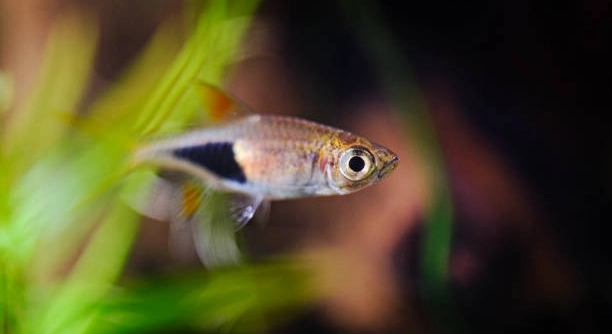
Have you ever noticed your rasboras acting strangely when the water temperature changes suddenly in their tank environment?
Rasboras may display several reactions to temperature swings, including lethargy, rapid breathing, loss of appetite, stress behaviors, erratic swimming, weakened immunity, and color changes. These changes can impact their overall health and wellbeing.
Learning these reactions helps you care for your fish more confidently and ensures a stable, healthy environment for your rasboras.
Lethargy and Reduced Movement
Temperature swings can make rasboras sluggish. When the water gets too cold, their metabolism slows down, causing them to move less and rest near the bottom of the tank. Warmer temperatures may initially make them more active, but sudden spikes can also tire them quickly. These shifts put stress on their small bodies, leading to reduced energy and responsiveness. If your rasboras are usually active and swimming in groups, and they suddenly become still, it may be their way of reacting to unstable temperatures. Observing their movement patterns closely can help you notice when something feels off in their environment. This reaction is common and often reversible with proper care. A consistent water temperature is key to keeping their behavior balanced and natural. Using a reliable heater and thermometer is one of the easiest ways to prevent these noticeable behavior changes caused by fluctuating temperatures.
It’s important to react quickly when you notice changes like this.
Keeping the temperature stable will help your rasboras return to their usual calm, schooling behavior. With consistent conditions, their activity level often goes back to normal, and stress fades. Always monitor any unusual behaviors and double-check your tank equipment if your rasboras stop moving much. Even a minor temperature drop can cause big reactions in small fish like rasboras. Some might stay hidden in plants or behind decorations, avoiding light and other fish. Others might appear disinterested in food or seem slower than usual. These signs are your fish letting you know they need a more stable environment. It’s not just about comfort—it’s also about their long-term health. Long exposure to unstable temperatures weakens their immune system and lowers their resilience. Acting early makes a difference and keeps your fish healthy and relaxed.
Rapid Gill Movement and Breathing Issues
Sudden temperature changes can affect how rasboras breathe, leading to rapid gill movement or gasping.
This happens because warmer water holds less oxygen, and cooler water slows their ability to take in enough. When temperatures swing too fast, your rasboras might seem like they’re struggling to breathe. You may see them breathing heavily, hanging near the surface, or resting with fast-moving gills. These signs are important and shouldn’t be ignored. Even small changes can reduce oxygen levels in the water, especially in tanks that already have low circulation or overcrowding. Proper aeration, a reliable heater, and frequent checks on your water temperature can help stop these reactions before they start. If you notice any signs of labored breathing, check your tank’s temperature right away. Adjustments should be made slowly to avoid further stress. Keeping an eye on their gills and breathing rate is one of the easiest ways to catch early signs of discomfort. Consistent care keeps your rasboras healthier and more active.
Loss of Appetite and Feeding Changes
Rasboras may stop eating when the water temperature becomes unstable. A sudden drop or spike can confuse their internal system, making them ignore food even during normal feeding times. This behavior is often one of the first signs of stress.
If your rasboras suddenly lose interest in food, don’t assume they’re being picky. Cold water can slow their metabolism so much that digestion becomes difficult, and warmer water can create discomfort that distracts them from eating. You might also notice leftover food sitting in the tank, which can further harm water quality. Check the temperature first, and make slow, careful adjustments to bring it back to the right range. Offer food in smaller amounts to avoid waste and monitor if their appetite returns. Getting them to eat again usually depends on how quickly you restore balance. Rasboras are sensitive to their surroundings, and stable conditions help bring back their usual feeding habits.
Continued feeding issues after a temperature swing can lead to nutritional problems. Rasboras don’t store much fat, so even a few missed meals can weaken them. If you’re adjusting the temperature, do it gradually to avoid shocking their system further. Avoid overfeeding while they’re recovering, as uneaten food increases stress and lowers water quality. Watch for signs that they’re nibbling again, even if it’s slow at first. A light, steady temperature helps their appetite bounce back. Feeding at the same time each day can also encourage normal behavior. If they’re still refusing food after the water stabilizes, it may be time to check for other underlying issues like illness or bullying from tank mates. But in most cases, steady warmth and clean water bring their appetite back.
Erratic Swimming and Stress Behaviors
Rasboras may begin swimming quickly, darting, or moving in circles when exposed to unstable water temperatures. This erratic behavior is their way of responding to discomfort or confusion in their environment. It can appear suddenly and usually fades when temperatures stabilize.
This type of movement often signals that your rasboras feel unsafe or overwhelmed. Rapid changes in water temperature confuse their sense of balance and direction, leading to panicked swimming or bumping into tank walls. Some may dart toward the surface, while others spiral unpredictably. These stress responses are tiring and can weaken their health if they last too long. Keeping the tank temperature steady with a good heater and thermometer prevents this behavior from becoming frequent. Make sure the tank has gentle filtration and plenty of hiding spots to calm them down. Erratic swimming isn’t always dangerous on its own, but it’s a red flag worth taking seriously.
Stress also shows up in how rasboras interact with their tank mates. After a sharp temperature change, some fish may isolate themselves, while others become more aggressive. This shift in behavior often follows erratic swimming and signals they’re not comfortable. Look for signs like chasing, nipping, or hiding in corners. These patterns point to rising stress levels that can weaken their immune system and disrupt the tank’s balance. Make temperature adjustments slowly to avoid triggering these behaviors. If the fish seem jumpy or overly sensitive, give them time and space while keeping the water steady. Over time, they usually return to calm, social swimming once their environment feels safe again. Preventing temperature swings is one of the most effective ways to avoid stress-based behavior changes.
Weakened Immune System
Rasboras exposed to frequent temperature swings often become more prone to illness. Their immune system weakens, making them more likely to catch infections or suffer from fin rot, white spots, or bloating. This can happen even if the tank looks clean.
When their immunity drops, healing slows down. Small injuries or mild stress that would normally go unnoticed can suddenly turn into larger health problems. Consistent water conditions support their natural defenses and keep them healthier in the long run. It’s much easier to prevent illness than to treat it once they’re already sick.
Faded or Altered Coloration
Temperature stress can cause rasboras to lose their color or develop dull, faded patterns. Their natural brightness often fades when they’re uncomfortable, scared, or unwell. It’s a clear visual cue that something in their environment isn’t right and needs to be checked quickly.
Hiding and Avoidance
When rasboras are stressed by sudden temperature changes, they often retreat into hiding spots. They may avoid light or other fish, staying still behind plants or decorations. This quiet behavior is their way of coping with stress and conserving energy.
What causes temperature swings in a rasbora tank?
Temperature swings usually happen due to inconsistent heating or cooling. Poor-quality heaters, broken thermostats, or lack of insulation can cause water temperature to fluctuate. External factors like room temperature changes, drafts, or placing the tank near windows or vents also play a role. Frequent opening of the tank lid can speed up temperature shifts as well. Proper equipment and location are essential to avoid these swings.
How quickly should I adjust the temperature if it’s off?
Temperature should be adjusted gradually, no more than 1–2 degrees Celsius per day. Sudden changes can stress rasboras more than staying in slightly off temperatures. Use a reliable heater and thermometer to monitor changes closely. Patience is key, as slow adjustments help your fish acclimate safely without shock.
Can temperature swings kill rasboras?
Yes, prolonged or extreme temperature swings can be fatal. Rasboras are tropical fish that need stable warm water, typically between 22–28°C (72–82°F). Frequent rapid changes weaken their immune system, making them vulnerable to diseases and organ failure. Early intervention improves their chances, but consistent temperature control is essential for survival.
How can I tell if my rasboras are stressed from temperature changes?
Signs include lethargy, loss of appetite, rapid gill movement, erratic swimming, faded colors, and hiding. These symptoms indicate discomfort and stress. Monitor your fish daily to spot changes early. Stress weakens their health and increases susceptibility to infection, so take action as soon as possible.
What is the best temperature range for rasboras?
Most rasbora species thrive in 22–28°C (72–82°F). Staying within this range ensures their metabolism works properly, and they remain active and healthy. Avoid letting the water drop below 20°C (68°F) or rise above 30°C (86°F), as these extremes can cause serious problems.
Can sudden cold water cause diseases in rasboras?
Yes, cold water shocks lower their immune response, allowing bacteria, fungi, or parasites to infect them more easily. Common diseases like fin rot and ich can develop quickly after temperature stress. Keeping water stable and clean reduces these risks significantly.
How do I prevent temperature swings in my tank?
Use a reliable heater with a built-in thermostat and place it where water circulates well. Avoid placing the tank near windows, heaters, or air conditioners. Insulate the tank if your room temperature varies a lot. Keep the tank covered to reduce heat loss and maintain steady conditions.
Is it safe to turn off the heater at night?
Generally, it’s not recommended. Nighttime temperatures often drop, especially in cooler rooms, which can stress tropical fish. Maintaining a stable temperature 24/7 helps keep rasboras healthy. If you want to save energy, consider using a heater with a thermostat that automatically regulates temperature instead.
How often should I check my tank’s temperature?
Daily checks are best to catch problems early. Use a reliable thermometer placed in a spot with good water flow. Digital thermometers with probes give more accurate readings. Regular checks help avoid unnoticed temperature swings that harm your fish.
What should I do if my rasboras show signs of temperature stress?
First, stabilize the water temperature slowly and carefully. Remove any uneaten food to keep water quality high. Perform partial water changes if needed to reduce toxins. Observe the fish for improvements, and consider adding aquarium salt or medication if signs of illness appear. Prevent future swings by upgrading equipment or adjusting tank placement.
Temperature swings in a rasbora tank can have serious effects on the fish’s health and behavior. These small fish are sensitive to changes in their environment, especially when it comes to water temperature. Sudden drops or rises can cause stress, which leads to reactions such as lethargy, rapid breathing, loss of appetite, and even weakened immune systems. Because of this sensitivity, it is important to keep the tank temperature as stable as possible. Using a good heater with a thermostat and monitoring the water temperature regularly will help maintain consistent conditions. This reduces the risk of health problems and keeps your rasboras active and comfortable.
When temperature swings happen, the signs may be subtle at first, like changes in swimming behavior or appetite. Over time, if the problem is not fixed, the fish may show more serious symptoms such as faded coloration or illness. Catching these signs early is helpful for giving your rasboras the care they need. Gradually returning the water to the correct temperature and making sure the tank environment is clean and well-oxygenated can help the fish recover. It is also important to avoid sudden changes when making any adjustments to the temperature. Taking small steps helps prevent additional stress on your fish.
Overall, preventing temperature swings is key to keeping rasboras healthy and happy. This means placing the tank in a stable location, away from windows, vents, or places where room temperature varies greatly. A reliable heater and thermometer are essential tools to keep the temperature steady. Regularly checking water conditions and watching for signs of stress allows you to respond quickly if problems arise. With proper care and attention, rasboras will thrive in their environment. Maintaining stable temperature is one of the simplest yet most important steps in providing a safe and comfortable home for these delicate fish.

Hello,
If you enjoy the content that we create, please consider saying a "Thank You!" by leaving a tip.
Every little bit helps us continue crafting quality advice that supports the health, happiness, and well-being of pets around the world, for pets of all shapes, sizes, and species.
We really appreciate the kindness and support that you show us!