
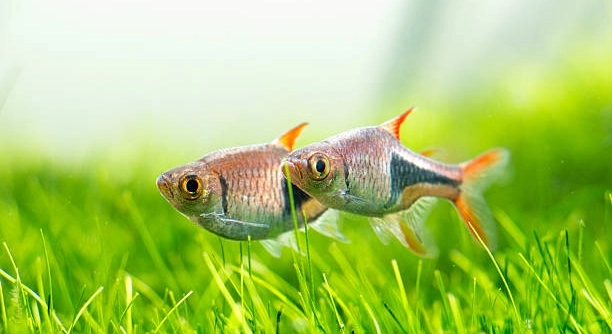
Many people enjoy keeping rasboras as colorful, peaceful fish in their home aquariums. These small fish are known for swimming together in groups. Understanding their behavior helps fish owners provide better care and a happier environment for their pets.
Rasboras rely heavily on schooling for safety and social interaction, making it difficult for them to swim alone comfortably. Without their school, they often become stressed and vulnerable, which can negatively affect their health and behavior.
Knowing how rasboras behave without their school can improve the way you care for them and create a more suitable tank environment.
Why Rasboras School Together
Rasboras naturally form schools to feel safe and secure. In the wild, being in a group helps them avoid predators by confusing threats and making it harder for a single fish to be targeted. This behavior continues in aquariums, where the presence of a school reduces stress and encourages normal swimming patterns. When alone, rasboras may hide or swim erratically because they lack the comfort of their group. Schooling also helps them communicate and interact, keeping their energy levels balanced. Many fish owners notice that their rasboras become more active and colorful when kept in groups. This shows how important social interaction is for their well-being. Proper care means understanding these natural behaviors and providing enough space and companions. Without their school, rasboras can feel vulnerable, leading to health problems over time. Group living supports their physical and mental health in captivity.
Schooling is a natural instinct that keeps rasboras calm and healthy, promoting better survival in any setting.
Maintaining a proper school size is crucial. Small groups can cause stress, while larger groups promote harmony and natural behaviors. This balance makes a significant difference in the fish’s daily life and overall happiness in the tank.
Signs Rasboras Are Unhappy Without Their School
Rasboras without their school often show clear signs of distress. They may swim alone near the bottom or hide behind decorations more frequently. You might notice a dulling of their color or a loss of appetite. Their movements can become slow or restless, indicating anxiety or discomfort. This behavior signals that the fish are missing the social interaction they naturally need.
When rasboras are isolated, their immune system can weaken due to stress, making them prone to diseases. They also lose the safety benefits of schooling, which increases their feeling of vulnerability. These changes can affect their lifespan and quality of life. Some owners mistakenly think these behaviors are due to illness alone, but often, the cause is simply loneliness. By observing these signs early, fish owners can take steps to improve the tank environment and reintroduce schooling companions, helping the fish recover their natural behavior and well-being.
How to Keep Rasboras Comfortable Without Their School
Rasboras can feel safer if their tank has plenty of hiding spots and plants. This gives them places to retreat when they feel nervous or alone.
Adding decorations like plants and rocks creates a sense of security for lone rasboras. These areas help reduce stress by breaking the line of sight and giving the fish a place to rest. Soft lighting and stable water conditions also support their well-being. It’s important to maintain clean water and a calm environment, as sudden changes can worsen their anxiety. When alone, rasboras need extra care to feel safe and avoid harmful stress responses.
Feeding small amounts several times a day can encourage activity and help maintain their health. Providing a varied diet rich in nutrients supports their immune system, especially when they lack the natural stimulation from a school. Observing their behavior closely ensures they are adjusting well to the environment without companions.
Ideal Tank Conditions for Rasboras Alone
A tank of at least 20 gallons is recommended for a small group but can be adjusted for single rasboras with plenty of space to swim and hide.
The water temperature should be kept between 72°F and 78°F with a gentle filter to avoid strong currents. Stable pH levels between 6.5 and 7.5 help prevent stress. Regular partial water changes maintain cleanliness and reduce toxins. Plants and smooth decorations create natural hiding places that mimic their natural habitat. Lighting should not be too bright, as rasboras prefer soft, diffused light that helps them feel secure. These conditions minimize stress and promote healthy behavior, even when the fish are alone.
Common Mistakes When Keeping Rasboras Alone
Many owners keep rasboras alone without enough hiding spots, causing stress and poor health.
Another mistake is not maintaining stable water conditions, which can quickly lead to illness and behavioral problems.
Introducing New Companions to a Lone Rasbora
When adding new rasboras, introduce them slowly and in a separate tank first. This helps prevent aggression and stress. Use a divider in the main tank to allow the fish to get used to each other’s presence safely before full introduction.
Monitoring Your Rasbora’s Health
Watch for changes in color, behavior, or appetite as signs of stress or illness. Early detection helps address problems quickly.
Tank Setup Tips for Single Rasboras
Provide plenty of plants and soft decorations to make the fish feel secure and less lonely.
FAQ
Can rasboras live happily alone?
Rasboras are naturally schooling fish, so they usually do best in groups. Alone, they can become stressed and shy, which may affect their health. However, with the right tank setup, including plenty of plants and hiding spots, some rasboras can adjust and live reasonably well on their own for shorter periods. It is not ideal for their long-term happiness or well-being, but it is possible if no other option exists.
How many rasboras should I keep together?
A group of at least six rasboras is recommended to promote natural schooling behavior. Smaller groups may cause stress and anxiety, while larger groups encourage social interaction and more active swimming. Keeping them in groups of six or more creates a safer, more comfortable environment that helps reduce stress and supports healthier behavior.
What tank size is best for rasboras?
A minimum of 20 gallons is recommended for a small school of rasboras. This gives them enough space to swim freely and establish natural schooling patterns. Larger tanks are even better, especially when keeping more fish or adding plants and decorations that help create hiding spots. Proper space is important to reduce stress and maintain good water quality.
Can rasboras live with other fish?
Yes, rasboras are peaceful and can live with other non-aggressive fish of similar size. Good tank mates include small tetras, guppies, and Corydoras catfish. Avoid keeping them with large or aggressive fish that may bully or eat them. A community tank with calm species can provide additional social interaction and stimulation.
What are the signs that my rasbora is stressed?
Signs of stress include hiding more than usual, loss of color, sluggish swimming, refusal to eat, or gasping at the surface. Stress can also weaken their immune system, making them more prone to disease. Monitoring their behavior regularly helps catch problems early and allows you to adjust tank conditions or group size.
How often should I feed my rasboras?
Feed small amounts two to three times a day, offering a varied diet that includes high-quality flakes, micro pellets, and occasional live or frozen foods like daphnia or brine shrimp. Overfeeding should be avoided to maintain water quality and prevent obesity.
Do rasboras need special water conditions?
Rasboras prefer slightly soft to moderately hard water with a pH between 6.5 and 7.5. They thrive in temperatures between 72°F and 78°F. Stable water conditions with regular changes help reduce stress and keep them healthy. Using a gentle filter to avoid strong currents is also important.
Can rasboras breed in a home aquarium?
Yes, rasboras can breed in captivity if conditions are right. They need a well-planted tank with soft, slightly acidic water. Spawning usually happens in the early morning, and adults may eat the eggs, so it’s best to separate the eggs or use a breeding tank. Breeding rasboras can be rewarding but requires careful attention to water quality and tank setup.
What should I do if my rasbora becomes aggressive?
Rasboras are usually peaceful, but stress or overcrowding can cause aggression. If aggression appears, check the tank size and group size. Make sure there are enough hiding places and that the tank is not overcrowded. Separating aggressive fish or adding more companions to balance social dynamics can help.
How long do rasboras typically live?
With proper care, rasboras can live between 4 to 6 years. Maintaining clean water, stable conditions, a balanced diet, and keeping them in groups improves their chances of a longer, healthier life. Stress and poor environment can shorten their lifespan significantly.
Is it okay to keep just one rasbora temporarily?
Keeping a single rasbora for a short time is usually okay if you provide plenty of hiding spots and maintain excellent water quality. However, it’s important to plan for adding more to form a school, as prolonged isolation can cause stress and behavioral problems.
What do I do if my rasbora is hiding all the time?
Constant hiding often means the fish is stressed or feels unsafe. Check water parameters, lighting, and tank mates for any causes of stress. Adding plants or decorations can help the fish feel secure. If the rasbora continues hiding, it may be sick or lonely, and adjustments are needed.
How do I help a rasbora adjust to a new tank?
Acclimate the fish slowly by floating the bag in the tank water for 15–20 minutes. Gradually mix small amounts of tank water into the bag before releasing the fish. Provide plenty of plants and hiding places to reduce stress during adjustment. Keep water stable and monitor the fish closely for signs of stress.
Can rasboras tolerate changes in water temperature?
Rasboras prefer stable water temperatures within their ideal range. Sudden or large temperature changes can cause stress and weaken their immune system. Using a reliable heater and monitoring temperature regularly helps maintain a steady environment. Avoid placing the tank near drafts or direct sunlight.
Are rasboras suitable for beginners?
Yes, rasboras are generally hardy and easy to care for, making them suitable for beginners. Their peaceful nature and attractive appearance add value to community tanks. However, beginners should learn about proper tank setup, schooling needs, and water conditions to keep them healthy and happy.
How important is tank maintenance for rasboras?
Regular tank maintenance is essential. Partial water changes every week or two help keep the water clean and reduce harmful substances. Cleaning the filter and removing uneaten food prevents water quality issues that can stress or harm rasboras. Good maintenance supports long-term health and vibrant behavior.
Rasboras are naturally social fish that thrive best when kept in groups. Their instinct to school together helps them feel safe and reduces stress. When they are alone, they can become anxious and show signs of discomfort, which may affect their health. However, not every situation allows for a full school, and with proper care, it is possible to keep a rasbora comfortable even if it is on its own for a time. Providing the right environment, such as plenty of hiding spots, stable water conditions, and a calm atmosphere, can help lessen the stress they feel without their companions. While a single rasbora is not ideal, attention to these details can support its well-being.
Tank setup plays a big role in how well a lone rasbora adjusts. Having live plants, decorations, and soft lighting helps create a sense of security. These elements give the fish places to hide and rest, which is important when they don’t have a school to rely on. Maintaining clean water and stable temperatures also supports their health and reduces anxiety. Feeding a balanced diet regularly encourages activity and keeps their immune system strong. Watching your fish’s behavior is important to catch any signs of stress or illness early. If you notice changes in color, appetite, or swimming patterns, it might be time to reassess their environment or consider adding more rasboras to form a proper school.
While rasboras can survive alone, their natural behavior and happiness improve greatly with companions. The best way to care for these fish is to keep them in groups of six or more whenever possible. This allows them to swim freely in a school, feel safe, and express their natural social behaviors. When that is not possible, thoughtful tank management and close observation are key. By creating a comfortable environment and understanding their needs, you can help your rasboras live a healthy and less stressful life. Remember that small changes in their care can make a big difference in how they feel and behave over time.

Hello,
If you enjoy the content that we create, please consider saying a "Thank You!" by leaving a tip.
Every little bit helps us continue crafting quality advice that supports the health, happiness, and well-being of pets around the world, for pets of all shapes, sizes, and species.
We really appreciate the kindness and support that you show us!