
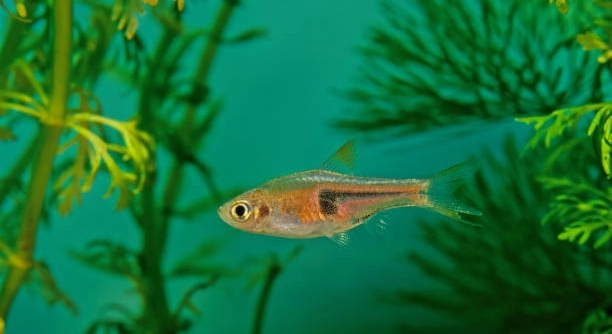
Rasboras are small freshwater fish often found in home aquariums. These lively swimmers prefer calm waters but sometimes move against the current. Their behavior has intrigued fishkeepers and scientists alike.
Rasboras may swim into the current primarily to access food and oxygen-rich water. This movement also helps them exercise and avoid predators, supporting their survival in dynamic aquatic environments. Such behavior is essential to their overall well-being.
Understanding why rasboras swim this way can improve care and tank design for these delicate fish. Exploring their habits reveals much about their needs and natural instincts.
How Water Flow Affects Rasbora Behavior
Water flow plays a key role in shaping how rasboras move and behave. In their natural habitats, these fish experience varying currents that influence their swimming patterns. When the water flow is gentle, rasboras tend to glide smoothly, conserving energy. However, stronger currents encourage them to swim actively against the flow. This activity helps maintain muscle strength and keeps the fish alert. In aquariums, replicating natural water movement is important. It provides stimulation and supports the fish’s health. Without any current, rasboras may become lethargic and less responsive. Adding a mild water pump or filter can create the right conditions. It is best to monitor their reactions to adjust the flow speed accordingly. This balance ensures the fish are comfortable while still engaging with their environment.
Water flow impacts oxygen distribution, making areas near currents richer in oxygen. Rasboras often seek these spots to breathe more easily.
Adjusting water flow also helps prevent buildup of waste in the tank. Clean, well-oxygenated water supports rasboras’ immune systems and reduces stress, promoting longer lifespans. Keeping the current at a moderate level allows these fish to swim naturally without exhausting themselves. Their active swimming against a mild current mimics what they would do in the wild, encouraging healthy behaviors. Proper water movement is a simple way to enhance both their physical and mental well-being in captivity.
Benefits of Swimming Against the Current
Swimming against the current offers several advantages for rasboras. This action strengthens their muscles and improves stamina, making them more agile swimmers. It also provides mental stimulation, which reduces boredom and related health issues. In tanks without current, rasboras might become less active and prone to illness. The resistance from the current helps them maintain balance and coordination, skills important for avoiding predators in natural settings.
In addition, swimming upstream helps rasboras find food particles carried by the water. This feeding strategy ensures they get adequate nutrition even when food is spread out. Observing this behavior allows aquarists to understand their needs better. Providing a gentle current benefits rasboras physically and mentally, supporting a more natural and healthy lifestyle.
Energy Use and Survival
Swimming against the current requires more energy, but it benefits rasboras in several ways. It helps them stay fit and alert in their environment.
Using energy to swim upstream builds muscle strength, which is important for escaping predators. This activity also encourages better circulation and overall health. In natural habitats, rasboras rely on this behavior to find food and avoid dangers. The physical effort involved keeps them from becoming weak or inactive, which can happen in still water. In aquariums, encouraging this movement through moderate currents helps mimic these natural conditions and supports their long-term survival.
Additionally, swimming in flowing water allows rasboras to practice important survival skills. They become more agile and responsive, improving their chances of escaping threats. This natural exercise prevents boredom and promotes healthy behavior. Without opportunities to swim against currents, rasboras may lose these instincts, which can reduce their ability to thrive.
Environmental Cues and Rasbora Responses
Rasboras respond strongly to changes in their environment, including shifts in water flow and oxygen levels. These cues trigger their movement patterns, such as swimming against the current to find better conditions.
Environmental changes influence rasboras’ feeding and social behaviors as well. When oxygen is low, they seek areas where water flows more rapidly. Currents help distribute food particles, so rasboras swim upstream to access fresh supplies. These responses ensure they remain healthy and active. In aquariums, providing varied flow and good oxygenation supports natural behaviors and reduces stress. Monitoring these factors helps create an environment that meets their needs and encourages their well-being.
Adaptation to Current Strength
Rasboras adjust their swimming based on the strength of the current. They tend to avoid very strong flows that could tire them quickly.
In moderate currents, rasboras swim actively but conserve energy by using the water’s movement to their advantage.
Impact on Tank Setup
Proper tank setup includes creating gentle water currents to encourage natural swimming behaviors. This can be done with filters or pumps set at low to medium flow rates.
Social Behavior in Currents
Swimming together against the current helps rasboras stay coordinated and safe. This group activity strengthens social bonds and reduces stress.
Feeding Strategies
Rasboras use currents to help locate and capture drifting food particles, making feeding more efficient and natural.
FAQ
Why do rasboras swim against the current even in small tanks?
Rasboras instinctively swim against the current to mimic their natural environment. Even in small tanks, this behavior helps them stay active and healthy. Swimming against the flow provides exercise and mental stimulation. Without this movement, they might become sluggish or stressed. Creating gentle water movement in small tanks supports their natural habits.
How strong should the current be in a rasbora tank?
The current should be gentle to moderate. Strong currents can exhaust rasboras, while very weak currents may not encourage natural swimming behaviors. Using a filter or pump with adjustable flow helps control water movement. Observing the fish’s behavior will show if the current is comfortable. They should swim actively but not struggle.
Can rasboras survive without any current?
Rasboras can survive in still water, but they may not thrive. Without current, they might become less active and more prone to health issues. Swimming against the current improves muscle strength and circulation. Providing some flow mimics their natural habitat and supports overall well-being.
Does swimming against the current help rasboras find food?
Yes, currents carry food particles, and swimming upstream allows rasboras to catch these more easily. This natural feeding strategy increases their chances of getting enough nutrition. In tanks, providing gentle water flow helps distribute food, encouraging healthy feeding behavior.
Is it normal for rasboras to rest in calm areas of the tank?
Yes, rasboras often rest in calm spots to conserve energy after swimming. These areas provide a break from the current. Offering both flowing and calm zones in the tank allows rasboras to choose where to swim or rest comfortably.
How does water oxygen level affect rasbora swimming?
Higher oxygen levels near currents encourage rasboras to swim in those areas. Swimming against the flow helps them access better-oxygenated water. This behavior supports respiration and energy levels. Keeping good oxygenation in the tank is important for their health.
Will rasboras get stressed if the current is too strong?
Yes, strong currents can tire rasboras and cause stress. They may struggle to swim and hide more often. Stress weakens their immune system and can lead to illness. Always aim for a gentle current that promotes activity without overwhelming them.
Do all rasbora species swim against the current?
Most rasbora species show some swimming against the current, but the intensity varies. Some prefer calmer waters, while others are more active swimmers. Knowing the specific species helps create ideal tank conditions. Researching the natural habitat of the species is helpful.
Can a lack of current affect rasbora social behavior?
Yes, without current, rasboras may become less active and social. Swimming together in flowing water strengthens group bonds and reduces stress. Providing current supports natural social interactions and group dynamics.
How often should I adjust the current in my tank?
It’s best to keep the current steady once it suits your rasboras. Sudden or frequent changes can cause stress. Monitor their behavior and make small adjustments if needed. Consistency helps the fish feel secure and comfortable.
What tank equipment is best for creating suitable currents?
Filters with adjustable flow or small water pumps work well. Air stones can add gentle movement too. Avoid strong jets or unfiltered water movement. Positioning equipment to create smooth, even flow encourages natural swimming without harsh turbulence.
Are there signs that my rasboras dislike the current?
If they hide constantly, struggle to swim, or stay in calm areas without moving, the current might be too strong. Lethargy or erratic swimming can also indicate discomfort. Adjust the flow to a gentler setting and watch for improved behavior.
Does temperature influence how rasboras swim in currents?
Temperature affects fish activity in general. In warmer water, rasboras may swim more actively. Colder temperatures can slow them down. Maintaining a stable, appropriate temperature range supports natural swimming and feeding behaviors.
Is it necessary to simulate current in all rasbora tanks?
While not absolutely necessary, simulating current greatly benefits rasboras. It helps keep them healthy, active, and less stressed. In natural environments, currents are common, so replicating this factor improves tank conditions and fish quality of life.
How can I tell if my rasboras are getting enough exercise?
Active swimming, exploring the tank, and interacting with other fish are good signs. If they frequently rest without moving or show signs of weight loss or illness, they might need more stimulation. Providing gentle currents encourages regular activity.
Rasboras are small fish that have simple but important needs to stay healthy. One of those needs is swimming against the current. This behavior is natural for them and helps keep them strong. When rasboras swim in water with gentle movement, they exercise their muscles and stay active. This is similar to how we need physical activity to keep our bodies healthy. Without this movement, rasboras may become weak or stressed, which can lead to health problems. Creating an environment where they can swim against a mild current helps support their well-being in an aquarium setting.
Water flow also plays a big role in providing rasboras with fresh oxygen and food. In the wild, moving water carries oxygen and tiny food particles, which rasboras need to survive. When they swim into the current, they are reaching areas with better oxygen levels and more chances to find food. In an aquarium, it is important to recreate these conditions as much as possible. Using filters or pumps to create gentle water flow can help keep the water clean and oxygen-rich. This kind of setup allows rasboras to behave naturally, which can reduce their stress and improve their overall health.
Taking care of rasboras means understanding their natural habits and making small changes to their environment to meet those needs. Watching how they swim can give clues about whether they are comfortable and healthy. If they seem tired or avoid moving, it might be time to adjust the water current or check other tank conditions. Offering both calm and flowing areas in the tank lets rasboras choose how they want to swim or rest. These simple steps make a big difference in keeping rasboras happy and thriving in captivity. Creating a balanced habitat helps these lively fish live longer and healthier lives.

Hello,
If you enjoy the content that we create, please consider saying a "Thank You!" by leaving a tip.
Every little bit helps us continue crafting quality advice that supports the health, happiness, and well-being of pets around the world, for pets of all shapes, sizes, and species.
We really appreciate the kindness and support that you show us!