
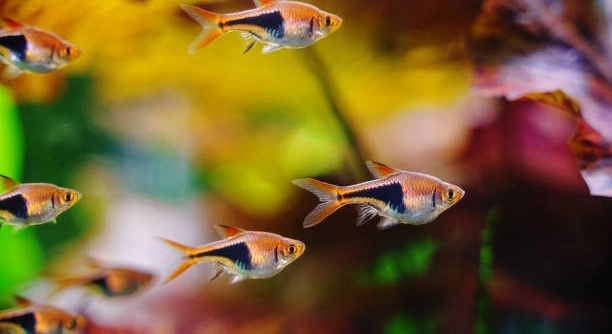
Do you ever find yourself watching your rasboras swim peacefully, only to suddenly question if something is wrong with their behavior?
Rasboras can display behaviors that seem unusual or alarming, yet many of these actions are completely normal for their species. Misinterpreting these moments can lead to unnecessary worry or incorrect changes in tank care.
From chasing to floating still, each behavior has a reason—and sometimes, it’s not what you expect at all.
When They School Too Tightly
Rasboras naturally enjoy swimming in groups, but when they school too tightly, it can seem like something is wrong. This behavior often shows up when they feel stressed or threatened. Loud noises, sudden movements, or even a new tank decoration can trigger it. While it might look like playful swimming, it’s usually their way of feeling safe. It’s important to check the environment for anything that might be bothering them. Sometimes, water parameters being off by just a little can also make them act like this. Observing when and how often it happens can give you clues. Make sure there’s enough hiding space and keep their surroundings calm. A healthy rasbora group will still swim together, but they’ll be more relaxed and spaced out. When they cluster tightly and dart around, that’s when something might need adjusting.
They aren’t just swimming for fun—they’re trying to protect themselves from what they think is a threat.
Understanding this behavior helps you respond calmly instead of worrying too much. Not every sudden movement means something is wrong, but it’s always good to pause and check your setup.
When They Float at the Surface
Seeing rasboras floating near the surface may look alarming at first. It often makes people think they’re sick or lacking oxygen.
But this behavior isn’t always a sign of trouble. Rasboras may linger near the top for several reasons. In many cases, they’re simply exploring or waiting for food. They quickly learn to associate the water’s surface with feeding time. If they only do this briefly, it’s likely nothing to worry about. However, if they stay at the surface for long periods, check your water parameters—especially ammonia and oxygen levels. A lack of surface movement could be limiting gas exchange, making the fish seek more oxygen at the top. An air stone or surface skimmer can help with this. Also, warm water holds less oxygen, so temperature matters too. Watch their behavior for changes. If they seem energetic and are still eating well, surface floating is often harmless.
When They Chase Each Other Around
Rasboras chasing each other can seem aggressive, but it’s often harmless. It may be part of establishing a pecking order or simply playful behavior, especially in larger groups. This activity usually settles down once the hierarchy is clear.
If the chasing isn’t constant and no fins are being torn, there’s usually no need to worry. Rasboras use quick darting movements to interact, and males sometimes display this behavior more often, particularly during breeding. It becomes an issue only if a single fish is constantly targeted or seems stressed. In that case, try adding more hiding spots or increasing the school size to balance out the social pressure. Also, check the tank size—crowding can cause more tension than normal. Watching them carefully will help you tell the difference between casual chasing and something more serious. Most of the time, it’s a normal part of their group dynamics.
One rasbora chasing another can also be a mating sign. During the breeding phase, males will try to impress females with quick, sharp swims. This can look aggressive but is usually harmless and short-lived. If you see brightened colors during the chase, it’s likely related to mating. Adding plants can offer rest spots for the females.
When They Suddenly Hide All Day
Rasboras hiding all day can be surprising if they’re usually active. This shift often means they’re reacting to something in their environment, such as bright lighting, loud noise, or sudden changes in water conditions. Even a recent cleaning or rearranging can trigger a more cautious response.
If hiding becomes a daily habit, check water temperature, ammonia, and nitrate levels first. Small changes in their environment can make rasboras feel unsafe. Also, consider how exposed the tank feels—adding more plants or decorations can help them feel more secure. Rasboras tend to stay hidden if they feel watched or exposed. If you’ve recently added new fish, the group might still be adjusting. Shy behavior is more common when the school is too small, so aim for at least six to eight rasboras. When they feel safe, their confidence grows, and they become more active again. It’s a small fix that can make a big difference.
When They Stop Eating Suddenly
When rasboras suddenly stop eating, it’s easy to assume they’re sick. But it could be something simple, like being spooked by a change in the tank or just not liking a new food.
A slight shift in water temperature or even strong lighting during feeding time can also cause them to avoid food.
When They Shake or Twitch Briefly
Short bursts of shaking or twitching in rasboras can look strange, but it doesn’t always signal illness. Sometimes it’s just a way they react to excitement, sudden light changes, or even minor tank vibrations. If it’s rare and brief, it’s usually not a sign of disease. However, if it keeps happening or comes with other signs like clamped fins or loss of color, it’s worth checking water parameters and watching them more closely. Clean water and stable conditions often help stop this behavior. Most of the time, it passes on its own without needing any treatment.
When They Freeze in Place
Rasboras freezing in place can be their way of reacting to sudden movement or changes. They stay still to assess danger before continuing to swim.
FAQ
Why do my rasboras swim up and down the glass?
This behavior is called “glass surfing.” It often means your rasboras are feeling stressed or bored. It can happen if the tank is too small, there’s not enough hiding space, or they don’t have a large enough group. Sometimes poor water conditions can also cause this behavior. Check your water parameters, and make sure your rasboras are in a group of at least six. Adding live plants or decorations can help them feel more secure. Once their needs are met, this glass-gliding behavior usually fades.
Why are my rasboras losing their color?
Color fading is a common sign of stress in rasboras. This could be due to sudden changes in temperature, bad water quality, or aggressive tank mates. A rasbora that is sick or not getting enough nutrition may also start to look dull. Start by testing your water, doing a partial water change, and observing the fish for signs of illness or bullying. Feeding them a varied diet with high-quality food can also help them regain their color.
Can rasboras get lonely if kept alone?
Yes, rasboras are schooling fish and do not do well on their own. Keeping a single rasbora can cause it to become shy, stressed, or inactive. They feel safer and more confident when surrounded by others of their kind. A group of six or more helps them behave more naturally, swim actively, and show their true colors. If your rasbora is alone, consider adding more of the same species to improve its health and behavior.
Is it normal for rasboras to sleep during the day?
Rasboras don’t sleep in the same way people do, but they do rest. You might notice them hovering in one spot or hiding in plants during parts of the day, especially if the room is quiet or the lighting is dim. This is normal and doesn’t mean they’re sick. However, if they seem very still for long periods, double-check that your water temperature and oxygen levels are where they should be. A rasbora that rests more than usual might just be adjusting to a change.
What causes rasboras to flick against objects?
Occasional flicking or rubbing against rocks or plants can be normal. But if it happens often, it may be a sign of skin irritation, usually from parasites or poor water conditions. This behavior is often one of the first signs of something wrong. Check for other symptoms like white spots, clamped fins, or redness. Testing your water and treating the tank quickly can prevent things from getting worse. Clean, well-filtered water is the best first step.
Why are my rasboras only active in the evening?
Rasboras can become more active when the lighting is lower and the tank feels calmer. If your room is noisy or bright during the day, they may hide and wait until things settle down. Some rasboras also adjust their activity levels based on feeding schedules. They’ll be more active when they expect food. Try dimming your tank lights slightly or adding floating plants to diffuse brightness. This can help them feel more comfortable being active throughout the day.
Are rasboras jumpers? Should I cover the tank?
Yes, rasboras can and do jump. They may leap out of the water when startled, especially if the tank doesn’t have a lid or has open areas. Sudden movements, loud noises, or even playful chasing can trigger it. It’s best to always use a secure lid on your tank. A jump could be fatal if they land outside the water. Even a thin mesh cover can make a big difference in keeping them safe.
Do rasboras need a filter with strong flow?
Rasboras prefer moderate water movement. A very strong filter can make them feel tired or stressed, while too little flow can affect oxygen levels and water cleanliness. Aim for gentle, steady circulation. If your rasboras are struggling to swim or always staying in calm corners, the flow might be too strong. On the other hand, if you notice debris settling or low oxygen levels, the flow may be too weak. A balance helps keep them comfortable and healthy.
Final Thoughts
Rasboras are peaceful and active fish, but their behavior can sometimes be confusing. Many of the things they do—like chasing, hiding, or floating near the surface—might look strange at first. It’s easy to assume something is wrong when their actions change suddenly. However, most of these behaviors are normal and harmless once you understand the cause. Small things like changes in lighting, new decorations, or a shift in water temperature can influence how they act. Before reacting or treating them, take a moment to observe the whole picture. Sometimes, waiting and watching tells you more than jumping to conclusions.
Keeping a close eye on your rasboras and maintaining a clean, stable tank are the best ways to support their health. They rely on their environment to feel safe. Clean water, enough swimming space, proper tank mates, and a calm setting can reduce stress and help prevent unusual behavior. It’s also important to remember that rasboras are social. Being in a small group helps them act more naturally and reduces odd behaviors like hiding or freezing in place. When they are comfortable, they are more colorful, more active, and more fun to watch. Giving them what they need can often solve most issues without having to make big changes.
Being familiar with their normal behavior will help you spot real problems more easily. Not every shake, pause, or chase means they’re unwell. But when something feels off and doesn’t go away, it’s worth checking the basics—water quality, group size, diet, and tank setup. With time, you’ll begin to notice patterns in their actions. This will make it easier to care for them and keep their environment safe. Rasboras are rewarding to keep because they respond well to small improvements. When you learn to read their behavior, it becomes easier to tell what they need. Keeping things steady, calm, and well-maintained will help your rasboras stay happy and healthy for a long time.

Hello,
If you enjoy the content that we create, please consider saying a "Thank You!" by leaving a tip.
Every little bit helps us continue crafting quality advice that supports the health, happiness, and well-being of pets around the world, for pets of all shapes, sizes, and species.
We really appreciate the kindness and support that you show us!