
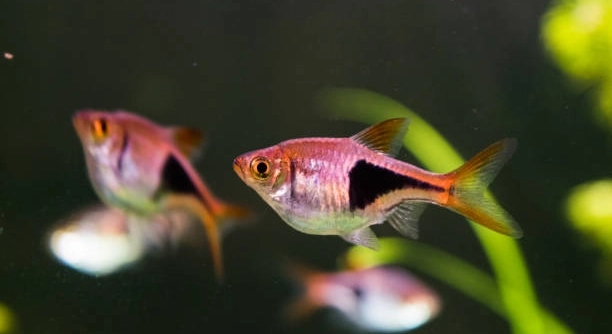
Rasboras are popular freshwater fish known for their peaceful nature and vibrant colors. Many aquarium owners enjoy keeping them because they add life and movement to their tanks. Understanding how rasboras behave can help ensure they thrive in their environment.
Rasboras display signs of enjoyment through active swimming, vibrant coloration, regular feeding, social interaction, calm behavior, healthy appearance, and exploring their surroundings. These indicators reflect their comfort and well-being within their habitat.
Recognizing these behaviors will help maintain a healthy tank and promote the happiness of your rasboras over time.
Active Swimming Patterns
Rasboras that enjoy their environment often swim actively and confidently. They glide smoothly through the water, exploring different parts of the tank without signs of hesitation or stress. This steady movement shows they feel secure and comfortable in their surroundings. When rasboras are content, they tend to swim in groups, as they are naturally social fish. Their movement is neither frantic nor sluggish but balanced and purposeful. Watching them interact and navigate plants or decorations can reveal their level of comfort. If you notice them darting nervously or hiding excessively, it may indicate discomfort. Healthy rasboras also tend to swim near the middle and upper levels of the tank, not just staying near the bottom or hiding spots. This behavior reflects their natural instincts and suggests the environment meets their needs for safety, space, and stimulation.
Active swimming helps maintain the fish’s health and encourages natural behavior patterns. It is a reliable sign of a happy rasbora.
Ensuring your tank has enough space and hiding places supports this active behavior. Regular water changes and proper filtration also keep the environment inviting for these lively swimmers.
Vibrant Coloration
Vibrant coloration is a clear sign that rasboras feel well in their environment. When their colors are bright and consistent, it indicates good health and low stress levels. Rasboras rely on their environment to maintain their appearance, so dull or faded colors often suggest poor water conditions or illness. A tank with stable water parameters, appropriate lighting, and a balanced diet will help preserve their natural hues. Observing the intensity of their colors daily can provide insight into how comfortable they are. It is important to note that coloration can also change during breeding or social interactions, but overall vibrancy remains a positive sign. Maintaining a clean tank with plants and natural decorations encourages coloration by mimicking their natural habitat, reducing stress, and offering comfort.
Healthy, bright colors not only enhance the tank’s beauty but also reflect the fish’s well-being. This helps you monitor their happiness and overall health more easily.
Providing a nutrient-rich diet that includes high-quality flakes or pellets with added vitamins supports color retention. Additionally, avoiding sudden changes in light or temperature prevents stress that could dull their appearance.
Regular Feeding Response
Rasboras that enjoy their environment eat eagerly and regularly. They show interest in food and come to the surface or middle of the tank when feeding time arrives.
Consistent feeding behavior reflects comfort and trust in their surroundings. When rasboras feel safe, they are less cautious and more willing to eat openly. They may swim quickly toward the food, showing excitement without frantic or aggressive behavior. If fish avoid food or seem uninterested, it might indicate stress or illness. Offering a balanced diet with small, frequent feedings helps maintain this positive response and supports their health.
Observing their feeding habits gives clear insight into their well-being. Healthy rasboras maintain a steady appetite and respond promptly to food, which helps keep their energy levels stable and supports natural growth.
Social Interaction Among Rasboras
Rasboras prefer being in groups and display clear social behaviors. They swim together, stay close, and interact peacefully without aggressive or isolated behavior.
Social interaction is essential for rasboras’ mental health and comfort. In a well-maintained environment, they form loose shoals and coordinate movements. This social grouping reduces stress and encourages natural instincts. When rasboras are comfortable, they often mirror each other’s swimming patterns and share resting spots. Lack of interaction or solitary behavior can signal discomfort or poor tank conditions. Proper group size and sufficient space are necessary for these behaviors. Supporting their social needs helps them feel secure and enjoy their habitat fully.
Calm Behavior
Rasboras that enjoy their environment tend to be calm and relaxed. They don’t show signs of panic or rapid movements.
A peaceful tank with stable conditions encourages this calm behavior. When stress is low, rasboras swim steadily and rest comfortably without hiding constantly.
Healthy Appearance
A healthy rasbora has clear eyes, intact fins, and smooth scales. Signs of illness or stress often show through dull scales or torn fins.
Maintaining clean water and a balanced diet helps preserve their appearance. Regular observation ensures any health issues are caught early, promoting long-term well-being.
Exploring Their Surroundings
Rasboras that are comfortable will explore their environment confidently. They investigate plants, decorations, and swim through open spaces without hesitation.
Exploration is a sign of curiosity and security. If rasboras hide or avoid certain areas, it may signal discomfort or unsuitable tank conditions. Providing a varied environment encourages this natural behavior.
FAQ
How often should I feed my rasboras?
Feeding rasboras once or twice a day is sufficient. Small portions are better to avoid overfeeding, which can pollute the tank. Feeding them amounts they can consume within two to three minutes keeps the environment clean and healthy.
What water conditions do rasboras prefer?
Rasboras thrive in slightly acidic to neutral water, with a pH between 6.0 and 7.5. Temperatures around 72 to 78°F (22 to 26°C) are ideal. Stable water parameters reduce stress and promote vibrant colors and active behavior.
Can rasboras live with other fish?
Yes, rasboras are peaceful and can live with other non-aggressive species. Suitable tank mates include small tetras, guppies, and Corydoras catfish. Avoid keeping them with large or aggressive fish to prevent stress or injury.
How many rasboras should I keep together?
Rasboras are schooling fish and do best in groups of at least six. Larger groups promote natural behavior and reduce stress. Smaller groups may lead to shy or withdrawn fish.
What signs show my rasbora is stressed?
Signs of stress include hiding excessively, loss of appetite, dull coloration, and erratic swimming. These behaviors suggest poor water quality, inadequate tank size, or incompatible tank mates.
How do I maintain water quality for rasboras?
Regular water changes of 20-30% weekly help maintain water quality. Use a good filter and avoid overfeeding. Testing water parameters often allows early detection of issues like ammonia or nitrite spikes.
Do rasboras need plants or decorations?
Yes, live plants and decorations provide hiding spots and reduce stress. They create a natural environment that encourages exploration and comfort. Plants also help improve water quality by absorbing nitrates.
How long do rasboras live?
Rasboras generally live 3 to 5 years with proper care. Good water quality, a balanced diet, and a stress-free environment contribute to their lifespan.
Can rasboras breed in a home aquarium?
Rasboras can breed if conditions are right, including clean water, suitable temperature, and hiding spots. They scatter eggs on plants or surfaces. Remove adults after spawning to prevent egg eating.
What should I do if my rasbora looks sick?
Isolate the sick fish in a quarantine tank to prevent spread. Check water conditions and consider treating with appropriate medication. Early intervention improves recovery chances.
Final Thoughts
Rasboras are delicate and peaceful fish that show clear signs when they are happy in their environment. Observing their behavior closely helps you understand how well they are adapting to their tank. Signs such as active swimming, vibrant colors, regular feeding, calmness, and social interaction all indicate a healthy and comfortable fish. Paying attention to these details allows you to create a stable and pleasant home for your rasboras. Maintaining good water quality and providing a balanced diet are essential parts of their care.
Creating a suitable environment for rasboras involves more than just setting up a tank. It requires ongoing effort to monitor conditions and make adjustments when necessary. Clean water, proper temperature, and adequate space help reduce stress and encourage natural behaviors. Including plants and decorations gives rasboras places to explore and hide, which supports their well-being. Ensuring the fish are kept in groups allows them to interact and feel secure. These simple steps contribute to their overall happiness and longevity.
Regular observation and care are key to maintaining a healthy tank. Watching your rasboras daily lets you spot any changes in behavior or appearance early. Addressing issues like illness, poor water quality, or stress promptly helps prevent serious problems. By providing a stable, clean, and stimulating environment, you help your rasboras thrive. Their natural behaviors will be easier to enjoy, and you will feel confident that your fish are living comfortably and happily.

Hello,
If you enjoy the content that we create, please consider saying a "Thank You!" by leaving a tip.
Every little bit helps us continue crafting quality advice that supports the health, happiness, and well-being of pets around the world, for pets of all shapes, sizes, and species.
We really appreciate the kindness and support that you show us!