
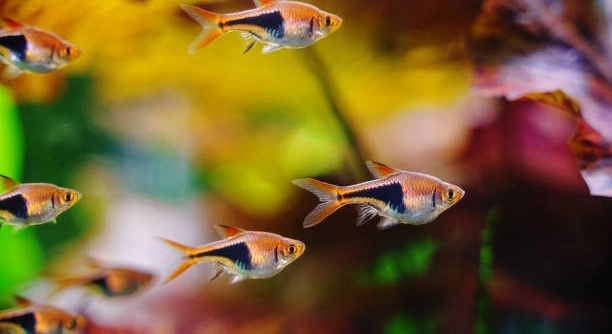
Rasboras are small, active fish often seen in home aquariums. They are curious by nature and tend to explore their surroundings regularly. Observing their movements can reveal much about their behavior and environment.
Rasboras show exploration through distinct swimming patterns, including darting, circling, and inspecting new objects. These patterns indicate their natural curiosity and help them familiarize themselves with their habitat, ensuring safety and comfort within the tank.
Recognizing these behaviors can improve how you care for your fish. Understanding their exploratory patterns supports a healthier and more engaging environment for your rasboras.
Recognizing Darting Movements
Darting is one of the most common signs that rasboras are exploring. When they move quickly in short bursts across the tank, it usually means they are investigating something new or reacting to changes. This sudden movement allows them to scan their environment swiftly while staying alert to any threats. You might notice darting near plants, decorations, or even the tank’s glass. This behavior also helps them check for potential hiding spots or food sources. Watching these quick bursts of movement can tell you how comfortable your fish feel in their habitat. If darting happens frequently without pause, it might signal stress. But usually, it’s just a natural part of how rasboras interact with their surroundings, showing their active nature and curiosity.
Darting is a key exploratory behavior that helps rasboras remain aware and adapt to changes within their environment.
Exploration through darting is a survival skill in the wild, where quick reactions protect fish from predators. In a tank, it helps them stay alert and find the best spots for safety or feeding. Encouraging a stimulating environment with plants and objects can support this behavior and keep your rasboras healthy and active. Providing space for movement and variety will satisfy their need to explore without causing stress.
Circling and Inspecting Objects
Circling is another pattern that signals exploration. When rasboras swim slowly around objects, they appear to be inspecting or getting familiar with them. This behavior helps fish assess new additions to their tank, such as decorations or plants, to determine if the area is safe. Circling also encourages interaction with the environment, promoting mental stimulation. Rasboras may repeat this action several times as they grow accustomed to changes. Slow, deliberate movements like circling contrast with quick darting, showing a different aspect of their exploring habits. It is a sign of comfort and interest rather than alarm, which indicates a well-adjusted fish.
Rasboras use circling as a calm and thorough way to understand their environment and build familiarity.
Circling helps reduce stress by allowing fish to get used to their surroundings gradually. It can also indicate healthy behavior since rasboras are naturally curious. When you add something new to the tank, give them time to explore at their own pace. Watching them circle can be reassuring, showing that your fish are adapting well and feel secure enough to investigate without rushing or hiding. This pattern supports their well-being and enriches their daily activity.
Tail Fin Flicking
Tail fin flicking is a subtle but important sign that rasboras are exploring. This quick flick helps them adjust their direction or react to small changes in their surroundings.
This flicking movement allows rasboras to navigate tight spaces with precision. It can also serve as a response to nearby stimuli, like a change in light or a slight water current. When rasboras flick their tail fins frequently, they are actively engaging with their environment, testing how they move and respond. This behavior shows they are alert and ready to investigate new areas or objects in the tank. Observing tail fin flicking gives insight into their interaction with the space around them.
The action also helps maintain balance while swimming slowly near objects or when hovering in place. It is a small but effective way to stay aware and adaptable. If flicking decreases, it might suggest the fish are less active or stressed. A healthy tank environment encourages this kind of natural movement.
Exploring New Areas
When rasboras swim toward unfamiliar sections of the tank, it clearly shows they are exploring. This behavior is often cautious and deliberate, signaling curiosity.
Exploration of new areas helps rasboras find safe spots and resources like food or shelter. They use a mix of slow swimming, circling, and tail flicking to assess these spaces carefully. The process allows them to understand the layout and feel secure. Offering varied decorations or plants can encourage this natural behavior by creating interesting zones for the fish to discover. Watching them move to new parts of the tank confirms they feel comfortable enough to investigate beyond their usual spots.
Such exploration supports their mental health by providing stimulation and reducing boredom. It also helps maintain a healthy social structure when they find places to rest or interact with others. Encouraging movement through gentle tank rearrangements can keep rasboras active and engaged over time.
Flashing Colors
Flashing colors often appear when rasboras explore new or interesting areas. Their scales reflect light differently as they move, creating a shimmering effect that shows excitement or alertness.
This color change can signal curiosity or mild stress but usually means they are paying close attention to their environment.
Investigating Tank Mates
Rasboras sometimes swim close to other fish to check them out. This interaction helps establish social bonds and understand who shares their space. They may follow or circle tank mates, showing interest and building group cohesion. These interactions are important for their social well-being and help reduce stress within the community.
Resting in New Spots
Rasboras often rest in different parts of the tank while exploring. Finding a comfortable spot signals they feel safe and are taking time to observe quietly before moving again.
Bubble Blowing
Occasionally, rasboras blow small bubbles near surfaces. This behavior can be part of exploring the environment and checking for food or air pockets.
FAQ
Why do rasboras explore their tank?
Rasboras explore to satisfy their natural curiosity and to find safe spots for resting or hiding. Exploration helps them stay active, alert, and comfortable in their environment. It also allows them to locate food sources and interact with tank mates, which supports their social behavior.
How can I tell if my rasboras are exploring or stressed?
Exploring rasboras show varied, smooth movements like darting, circling, and tail flicking. Stressed fish often hide, stay still for long periods, or show rapid, erratic swimming. Healthy exploration looks calm and purposeful, while stress causes erratic or repetitive behavior without rest.
Is it normal for rasboras to explore new tank decorations?
Yes, rasboras naturally investigate new objects by swimming around or darting near them. This behavior helps them familiarize themselves with changes and find new hiding spots. Allowing time for exploration helps fish feel secure and reduces stress after tank rearrangements.
How often do rasboras need changes in their environment?
While rasboras enjoy exploring, too many changes can cause stress. Occasional rearrangement or adding plants stimulates curiosity and activity but should be done slowly and sparingly to maintain comfort.
Do rasboras explore more when in groups?
Rasboras are schooling fish and feel safer in groups. When together, they tend to explore more confidently and interact socially. Group exploration helps reduce anxiety and encourages natural behaviors like swimming in patterns and investigating the tank.
Can lack of exploration indicate health problems?
Yes, if rasboras stop exploring and become inactive, it might signal illness, poor water conditions, or stress. Monitoring their behavior regularly helps catch issues early. Maintaining clean water and a balanced diet supports their health and activity levels.
What environmental factors encourage exploration?
A tank with plants, hiding spots, and varied decorations encourages exploration. Proper lighting, stable water temperature, and gentle filtration also help rasboras feel secure enough to explore without fear.
Should I interact with my rasboras to encourage exploration?
Interacting by gently tapping the tank or adding food can encourage activity, but avoid sudden movements or loud noises. Rasboras respond best to calm, predictable actions that stimulate curiosity without causing stress.
How does tank size affect rasbora exploration?
Larger tanks provide more space and stimuli for exploration, which keeps rasboras active and engaged. Small or overcrowded tanks can limit movement, reduce exploration, and increase stress. Ensuring adequate space supports their natural behaviors.
What signs show rasboras are comfortable while exploring?
Comfortable rasboras swim smoothly, explore different areas, interact with tank mates, and rest openly. Bright colors and normal eating habits also indicate they are happy and healthy in their environment.
Final Thoughts
Observing rasboras as they explore their tank offers valuable insight into their behavior and well-being. Their patterns of movement, such as darting, circling, and tail fin flicking, reflect natural instincts to stay alert and comfortable. When rasboras actively investigate their environment, it usually means they feel safe and engaged. These small fish are curious by nature, and their exploration helps them find hiding places, food, and social opportunities. Paying attention to these signs allows you to better understand their needs and adjust their habitat accordingly.
Creating a suitable environment for rasboras encourages their exploratory behavior and supports their overall health. Providing a tank with enough space, plants, and decorations gives them areas to discover and rest. Maintaining good water quality and stable conditions is also important. When rasboras feel secure, they are more likely to explore confidently and interact with other fish. It is important to avoid sudden changes or overcrowding, as these can cause stress and reduce activity. Observing the balance between exploration and rest helps indicate whether your fish are comfortable or require adjustments.
Finally, recognizing and supporting the exploration habits of rasboras improves both their quality of life and the enjoyment of keeping them. Their movements and behaviors are not random but purposeful ways to engage with their surroundings. Being mindful of their patterns allows for better care decisions, from tank setup to daily maintenance. When rasboras are able to explore naturally, they stay active, healthy, and less prone to stress. This makes the aquarium environment more dynamic and rewarding for both the fish and their keeper.

Hello,
If you enjoy the content that we create, please consider saying a "Thank You!" by leaving a tip.
Every little bit helps us continue crafting quality advice that supports the health, happiness, and well-being of pets around the world, for pets of all shapes, sizes, and species.
We really appreciate the kindness and support that you show us!