
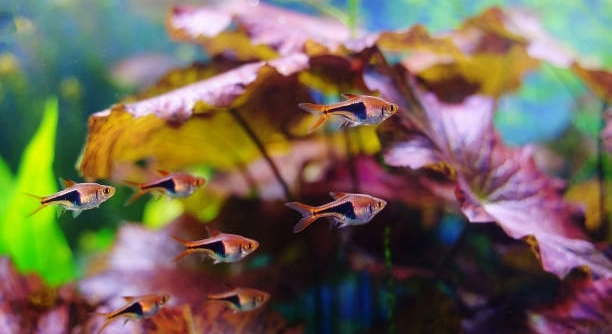
Rasboras are small, colorful fish often found in freshwater aquariums. They live in environments where light and shadow play an important role. These fish use light and shadow in several ways to navigate, feed, and protect themselves.
Rasboras utilize light and shadow to regulate their behavior, enhance camouflage, communicate with others, and avoid predators. These interactions with their environment are essential for survival and play a crucial role in their daily activities and social structure.
Understanding how rasboras use light and shadow can help aquarium owners create better habitats. This knowledge also sheds light on the natural behaviors of these fascinating fish.
How Rasboras Use Light to Find Food
Rasboras rely on light to spot their food clearly. In brighter areas of their habitat, they can see small insects and plant matter floating near the surface or hiding among plants. Light helps them distinguish edible items from debris. When the light is dim, rasboras tend to slow their movements, conserving energy and waiting for better visibility. This balance between light and darkness is important because too much light can make them more visible to predators, while too little makes feeding harder. They often choose feeding spots where light is just right—enough to see food without attracting unwanted attention. In aquariums, providing proper lighting can encourage healthy feeding habits. It also helps keep their natural rhythms intact, as they are used to varying light conditions in the wild. Observing their behavior around light can reveal when they are most active and comfortable feeding.
Light levels directly impact rasboras’ ability to locate food efficiently. Proper lighting encourages natural feeding behavior and helps maintain their health.
Lighting setup in tanks should mimic natural light patterns. A gradual transition from light to shade creates safe zones where rasboras can feed without stress. Using plants or decorations to break light helps simulate shadows, giving fish places to retreat if they feel threatened. Adjusting light intensity during feeding times can also stimulate activity. By understanding these needs, aquarists can improve rasboras’ wellbeing and feeding success.
How Shadows Help Rasboras Hide from Predators
Shadows provide rasboras with protection by offering places to hide. In nature, they use shaded areas under plants or rocks to avoid being seen. These darker spots break up their outline, making it harder for predators to spot them. Shadows also allow them to blend with their surroundings, using their natural colors to stay concealed. When threatened, rasboras quickly dart into these shadowed areas to feel safer. In tanks, creating shadowed zones with plants or decorations can reduce stress and support natural behaviors. Without enough shaded places, rasboras may become more anxious or hide less effectively. This simple use of shadow is key to their survival and comfort.
Shadows act as safe spots for rasboras, helping them avoid danger. Creating shaded areas in aquariums supports their natural instincts and lowers stress.
Light and Shadow in Rasbora Communication
Rasboras use changes in light and shadow to send signals to each other. Subtle shifts in brightness can show mood or alert others to danger. These signals help keep the group coordinated and safe.
This communication happens through body movements and positioning relative to light. When light hits their scales, it can reflect different colors or patterns. Rasboras will angle themselves to catch the light just right, making their signals clearer. Shadows also play a role by allowing fish to hide or reveal parts of their bodies, depending on the message. These visual cues are important during mating or when warning the group of threats nearby. By adjusting to light and shadow, rasboras maintain social order and protect each other.
Light also helps rasboras recognize each other. Variations in brightness highlight unique markings, making it easier to identify individuals in a school. This reduces conflict and supports group harmony.
Using Shadows to Regulate Body Temperature
Shadows help rasboras control their body temperature by offering cooler spots. These fish move between light and shade to avoid overheating in warm environments. Staying in shadows prevents stress caused by excessive heat.
In nature, water temperature can vary widely, so rasboras instinctively seek shaded areas to stay comfortable. When the water gets warmer, they slow their activity and retreat to shadowed zones near plants or rocks. This behavior helps them maintain a stable body temperature, which is vital for their health and energy levels. In aquariums, providing areas of shade supports this natural cooling process, reducing the risk of heat stress. A good balance of light and shadow creates an environment where rasboras can regulate their temperature naturally, which contributes to their overall wellbeing and longevity.
Light Influences Rasbora Activity Levels
Rasboras are more active when there is moderate light. Bright light can cause them to hide, while very low light slows them down. This balance helps them stay safe and energetic.
In natural habitats, dawn and dusk offer ideal light levels. These times encourage feeding and socializing. Understanding this helps in aquarium care to mimic their natural rhythms.
Shadow Provides Comfort and Security
Shadows give rasboras a sense of safety. They use darker spots to rest and avoid feeling exposed. This comfort is important for their well-being in both wild and captive environments.
Light Enhances Rasbora Coloration
Proper light makes rasboras’ colors more vibrant. When well-lit, their scales reflect bright hues that attract mates and strengthen social bonds.
Shadows Help Rasboras Hide Stress
When feeling stressed, rasboras retreat to shaded areas. These spots help calm them by reducing visual threats and disturbances.
How does light affect rasbora behavior?
Light influences rasbora behavior by regulating their activity and feeding patterns. Moderate light encourages movement and exploration, while very bright light can cause them to hide. Low light makes them less active. Rasboras rely on natural light cycles to maintain their daily routines, such as feeding and social interaction.
Why do rasboras prefer shaded areas sometimes?
Rasboras seek shaded areas to feel safe and avoid predators. Shadows break up their outline, making them less visible. These darker spots also help them regulate body temperature and reduce stress. In aquariums, providing shaded zones helps mimic their natural environment and keeps them comfortable.
Can lighting improve rasbora coloration?
Yes, proper lighting can enhance the coloration of rasboras. Their scales reflect more vibrant colors when exposed to balanced light. This is especially important during mating season or social displays. Using full-spectrum or natural-style lighting in tanks helps bring out their best colors.
How do rasboras use shadow to communicate?
Rasboras use changes in shadow and light to send signals to other fish. By positioning themselves in certain light or shade, they can reveal or hide body patterns. This helps convey mood, alert others to danger, or assist during mating. It’s a subtle but effective form of communication.
What role does shadow play in temperature regulation?
Shadows offer cooler spots where rasboras can rest and avoid overheating. Water temperatures can vary, so moving between light and shade helps them keep a stable body temperature. This natural behavior supports their health and energy levels.
Is it important to replicate light and shadow in home aquariums?
Replicating natural light and shadow conditions is very important for rasbora wellbeing. It supports their feeding, social behavior, and stress reduction. Using plants, decorations, and adjustable lighting can create a balanced environment that feels safe and natural for the fish.
Do rasboras react to sudden changes in light?
Yes, sudden changes in light can startle rasboras and cause stress. They prefer gradual transitions, such as dawn and dusk lighting effects. Abrupt bright lights or turning lights off suddenly may make them hide or behave nervously.
How can I provide the right light balance for rasboras?
To provide the right balance, use dimmable lights or timers to mimic natural daylight cycles. Include shaded areas with plants or decorations to offer hiding spots. Avoid overly bright or constant lighting, as it can cause stress and disrupt feeding habits.
What signs show that rasboras are stressed by lighting?
Signs of stress include hiding too much, erratic swimming, loss of color, or reduced appetite. If these behaviors appear after lighting changes, it may mean the environment is too bright or lacks shaded areas. Adjusting light levels can help the fish feel more secure.
Can light and shadow affect rasbora breeding?
Yes, proper light and shadow conditions support breeding by creating a natural environment that encourages mating behavior. Balanced lighting helps display their colors and signals readiness, while shaded areas offer safe spaces for spawning and egg protection.
Rasboras are small fish that use light and shadow in many important ways. These natural elements help them find food, avoid predators, communicate with others, and stay comfortable in their environment. Understanding how rasboras interact with light and shadow can make a big difference in how they live, especially in home aquariums. By paying attention to these details, it is possible to create a more natural and healthy space for them.
In an aquarium setting, providing the right balance of light and shadow is key. Too much bright light can stress rasboras, making them hide or behave nervously. On the other hand, too little light can reduce their activity and affect feeding. Including plants and decorations that create shaded areas gives rasboras places to rest and feel safe. This helps them regulate their body temperature and lowers their stress levels. Adjusting lighting slowly, to match natural daylight cycles, supports their natural behavior and overall wellbeing.
Taking care of rasboras means thinking about more than just food and water. Light and shadow are important parts of their environment that affect their health and happiness. By observing how rasboras respond to different lighting and shade, it is possible to make thoughtful changes that improve their quality of life. Creating a balanced habitat that includes both bright and shaded spots will help rasboras thrive and display their beautiful colors. This simple attention to light and shadow can lead to a happier, healthier aquarium for both the fish and the people who enjoy watching them.

Hello,
If you enjoy the content that we create, please consider saying a "Thank You!" by leaving a tip.
Every little bit helps us continue crafting quality advice that supports the health, happiness, and well-being of pets around the world, for pets of all shapes, sizes, and species.
We really appreciate the kindness and support that you show us!