
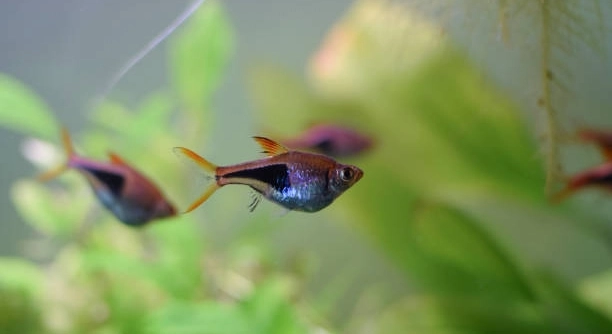
Rasboras are small freshwater fish often kept in home aquariums. These fish live in noisy environments where many sounds overlap. Understanding how they respond to different noises can tell us more about their behavior and senses.
Research shows that rasboras cannot clearly distinguish human voices from other sounds in their environment. Their auditory system is tuned to detect general vibrations and water disturbances rather than specific vocal patterns or speech.
Learning about how rasboras perceive sound helps us better care for them and create a peaceful environment in aquariums. This insight can also improve how we interact with aquatic pets overall.
How Rasboras Hear Sounds
Rasboras rely on their lateral line system to sense vibrations in the water. This system helps them detect movement and pressure changes around them, which is crucial for avoiding predators and finding food. Unlike humans, rasboras do not have ears designed for complex sound recognition. Instead, they pick up low-frequency vibrations, which means loud or sudden noises are easier for them to notice than clear voices. Their hearing range is limited to the underwater environment, where sound travels differently. Human voices, especially spoken words, do not create the kinds of vibrations rasboras can easily recognize. They respond more to general disturbances or changes in the water’s movement. In an aquarium, this means that the sounds of tapping or splashing may be more noticeable to them than someone speaking. Understanding this can help create a calmer space for these fish.
Sound detection in rasboras is based mostly on vibrations, not vocal signals.
Recognizing how rasboras hear means we can better understand their reactions to sounds around them. This knowledge is useful for aquarium owners who want to reduce stress in their fish. For example, avoiding loud noises or sudden movements near the tank can keep rasboras comfortable. Since they don’t distinguish voices well, talking near the aquarium won’t disturb them as much as tapping the glass or dropping objects. This information also highlights the differences between human and fish senses, reminding us that aquatic creatures experience their environment in unique ways. Keeping these differences in mind improves how we care for and observe rasboras.
Signs Rasboras React to Sounds
Rasboras may flick their fins or swim quickly when they sense vibrations. These behaviors show they are alert to changes nearby.
Rasboras’ responses to sound help them survive by warning of potential danger. These fish are more sensitive to vibrations caused by movement in water than to specific noises like human speech. In an aquarium, sudden loud sounds or physical taps on the tank can startle them. These reactions include darting away or gathering in groups for safety. While they may not understand human voices, they are clearly affected by disruptions. Observing these signs can help owners notice when their fish are stressed. Keeping the aquarium environment stable and quiet supports rasboras’ wellbeing and natural behavior. Understanding how rasboras respond to sound vibrations instead of voices allows us to create a more suitable habitat that meets their needs.
Human Voices Compared to Natural Sounds
Human voices produce complex sound patterns that travel mostly through air, not water. Rasboras live underwater, so the way sound moves is very different for them.
Sounds in water are carried as vibrations, but the frequency and clarity of human speech become distorted underwater. Rasboras’ hearing is better suited to pick up simple, low-frequency vibrations caused by natural elements like water currents, nearby fish movements, or falling objects. Human voices do not create the same kind of signals that rasboras’ sensory systems are built to detect. Therefore, even if someone talks near the tank, the fish perceive only a faint, unclear version of those sounds, if any at all. This makes it hard for rasboras to identify human speech or react specifically to it.
Since human voices sound very different underwater, rasboras cannot interpret them clearly. Their senses prioritize detecting vibrations important for survival rather than distinguishing speech.
Effects of Aquarium Noise on Rasboras
Aquarium noise from tapping, music, or people talking can affect rasboras differently.
Loud or sudden noises cause stress in rasboras because they create strong vibrations in the water. These vibrations can confuse or startle the fish, making them swim erratically or hide. Continuous noise may lead to long-term stress, affecting their health and behavior. Even if rasboras do not understand human voices, the general disturbance caused by sounds or vibrations is noticeable to them. It is important to keep the aquarium environment as calm as possible by reducing loud noises or sudden movements around the tank. Minimizing stress helps rasboras stay healthy and behave naturally, improving their quality of life in captivity.
Why Rasboras Don’t Recognize Human Voices
Rasboras lack the ability to process complex sounds like human speech. Their sensory systems focus on detecting simple vibrations important for survival.
Human voices lose much of their clarity underwater, making it nearly impossible for rasboras to identify them as distinct sounds.
How to Reduce Stress from Noise in Your Aquarium
Keeping the environment quiet and avoiding sudden noises helps rasboras stay calm. Soft background sounds are less disturbing.
Stress from noise can cause health problems and unusual behavior. Regularly monitoring sound levels around the tank creates a peaceful space for the fish to thrive.
Observing Rasbora Behavior Around Noise
Rasboras may swim faster, hide, or group together when disturbed by loud sounds. Watching these signs can help identify stress.
FAQ
Can rasboras hear human voices at all?
Rasboras cannot clearly hear or recognize human voices. Their hearing is adapted to sense vibrations in water, not detailed sounds like speech. When humans talk near the aquarium, rasboras may only sense faint vibrations but not the words or tone. This is because sound travels differently in water and gets distorted, making speech unclear for fish.
Why do rasboras react to noises around the aquarium?
Rasboras react mainly to vibrations caused by noise or movement near the tank. Loud sounds, tapping on the glass, or sudden impacts create pressure waves in the water. These vibrations trigger a natural alert response to possible danger. Their reactions, such as darting or hiding, are survival instincts to avoid threats.
Do rasboras get stressed from human voices?
Human voices themselves don’t directly stress rasboras because they don’t recognize them as distinct sounds. However, if voices are loud or accompanied by sudden noises, the resulting vibrations can cause stress. It’s the intensity and suddenness of the sound waves in water that affect them, not the speech itself.
How can I tell if my rasboras are stressed from noise?
Signs of stress include rapid swimming, hiding more than usual, loss of appetite, or unusual aggression. If your fish startle easily or group tightly when there is noise nearby, they are likely stressed. Watching their behavior closely after noise disturbances helps identify their comfort level.
Can rasboras learn to recognize human voices over time?
There is no evidence that rasboras can learn to recognize or respond specifically to human voices. Their sensory system is not designed for this kind of auditory learning. While some fish can recognize patterns or routines, rasboras mostly rely on sensing water vibrations for survival cues.
What kinds of sounds are best to keep around an aquarium with rasboras?
Soft, continuous background noises like low-volume music or quiet conversations are less likely to disturb rasboras. Avoid loud, sudden sounds or tapping on the tank. Gentle ambient noise creates a stable environment that helps reduce stress in the fish.
Does talking to rasboras help build trust or calm them?
Talking to rasboras does not build trust since they do not understand or recognize voices. However, your calm presence and slow movements near the tank can reduce stress. The fish respond more to environmental stability than to human speech.
Are there other fish that can recognize human voices better than rasboras?
Some species, like certain cichlids or dolphins, show more advanced auditory recognition, but most freshwater fish, including rasboras, have limited ability to distinguish human speech. Their hearing focuses on vibrations and simple sounds essential for survival.
How does sound travel differently in water compared to air?
Sound travels faster and farther in water than in air, but the way it carries frequencies changes. High-frequency sounds, like human speech, lose clarity underwater. Low-frequency vibrations travel better and are easier for fish to detect. This difference affects how fish perceive noises near them.
What can I do to create a quiet environment for my rasboras?
Place the aquarium away from loud appliances, heavy foot traffic, or frequently used areas. Avoid tapping or banging on the tank. Use a stable aquarium setup to reduce noise from filters or pumps. These steps help keep vibrations low and create a calm habitat.
Does music affect rasboras in an aquarium?
Soft, low-volume music is unlikely to disturb rasboras if the sound does not cause strong vibrations in the water. Loud music or bass-heavy sounds can create pressure waves that stress the fish. It is best to keep music gentle and background-level to maintain their comfort.
Can rasboras hear other fish or animals in the aquarium?
Rasboras can detect movements and vibrations caused by other fish swimming or interacting in the tank. These natural sounds are important for communication and social behavior. However, these are simple vibrations rather than complex vocalizations.
How do rasboras use their lateral line system to sense vibrations?
The lateral line runs along their bodies and senses water movement. It helps rasboras detect changes in pressure and vibrations nearby. This system alerts them to predators, obstacles, or the presence of other fish, guiding their movements and behavior.
Is it harmful to keep an aquarium in a noisy room?
Continuous loud noise or frequent sudden sounds can stress rasboras, impacting their health and behavior. Stress lowers immunity and can lead to illness. Keeping the aquarium in a quiet or low-traffic area protects the fish from harmful stress.
How important is vibration control for the well-being of rasboras?
Vibration control is very important because rasboras are highly sensitive to changes in water pressure. Reducing unnecessary vibrations ensures they feel safe and can display natural behaviors. A peaceful environment supports their growth, feeding, and social interactions.
What should I avoid to prevent disturbing my rasboras?
Avoid tapping on the glass, sudden loud noises, and rough handling of the tank. Also, try not to shake or move the tank abruptly. These actions create strong vibrations that cause stress and fear in rasboras.
Can rasboras communicate using sounds or vibrations?
Rasboras mainly communicate through subtle movements and water vibrations rather than vocal sounds. Their lateral line helps them detect signals from other fish, which can indicate danger or social cues without using voices.
Is it normal for rasboras to be silent in an aquarium?
Yes, rasboras do not produce sounds humans can hear. Their communication relies on movement and vibration sensing rather than vocal noise. Silence in an aquarium is normal for these fish.
Will rasboras respond if I whistle or make noises near the tank?
They may react to the vibrations caused by whistling or other noises but will not recognize the sound itself. Sudden vibrations can startle them, while soft, consistent sounds usually have little effect.
How can understanding rasboras’ hearing improve aquarium care?
Knowing that rasboras detect vibrations rather than voices helps aquarium owners focus on reducing physical disturbances. This understanding guides how to set up the tank and interact with the fish to keep them healthy and calm.
Are rasboras more sensitive to sound than other fish?
Rasboras have average sensitivity to vibrations compared to other small freshwater fish. While they detect water movement well, they are not known for exceptional sound sensitivity or vocal recognition abilities.
Rasboras are fascinating little fish that live mostly by sensing vibrations in the water around them. Unlike humans, they do not hear sounds the same way, especially not human voices. Their main way of detecting sound is through a special sense called the lateral line system. This system allows them to feel changes in water movement, which helps them avoid danger and find food. Because of this, human speech sounds do not register clearly or meaningfully to them. When we talk near the aquarium, rasboras may only sense faint vibrations, but they do not understand the words or tone. This difference in how they hear shows how unique fish are compared to humans.
It is important to keep in mind that while rasboras do not recognize human voices, they are still affected by noise around the tank. Loud sounds or sudden movements can cause strong vibrations in the water, which can stress the fish. Stress is not good for rasboras, as it can make them hide more, eat less, or behave unusually. To help rasboras stay healthy and comfortable, it is best to keep the aquarium environment calm and quiet. Avoid tapping on the glass, loud talking, or banging nearby. Soft background noise is usually okay and does not disturb them much. Paying attention to how the fish behave can tell you if they feel stressed, which helps you make changes to improve their habitat.
Understanding how rasboras experience sound helps us take better care of them. We can create a more peaceful aquarium that meets their needs by reducing vibrations and sudden noises. Even though rasboras won’t respond to our voices or recognize us by sound, they do respond to how calm and steady their environment is. This knowledge encourages patience and gentle interaction when spending time near the tank. By respecting the natural limits of rasboras’ senses, we support their well-being and enjoy watching their natural behavior more fully. Providing the right environment makes a big difference in the life of these delicate fish.

Hello,
If you enjoy the content that we create, please consider saying a "Thank You!" by leaving a tip.
Every little bit helps us continue crafting quality advice that supports the health, happiness, and well-being of pets around the world, for pets of all shapes, sizes, and species.
We really appreciate the kindness and support that you show us!