
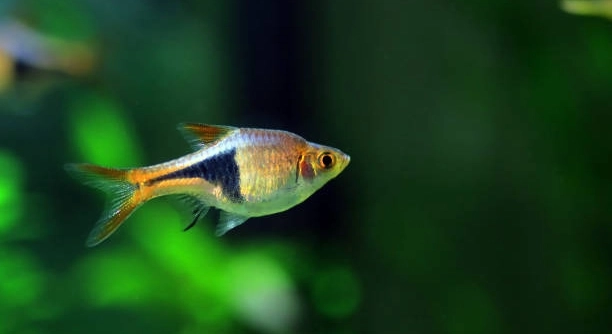
Are your Rasboras looking more relaxed and colorful since they arrived in your tank? You might be seeing the signs already.
When Rasboras adjust well, they show vibrant colors, active swimming, regular eating habits, and smooth social behavior. These fish also respond calmly to their environment, display proper schooling, and avoid hiding excessively.
Noticing these patterns early can help you feel confident that your Rasboras are healthy and thriving in their new space.
Bright, Vibrant Coloring
One of the first signs Rasboras are settling in well is the return or enhancement of their natural colors. When Rasboras feel safe and comfortable in their tank, their scales appear more vivid, especially under proper lighting. Faded or pale colors often indicate stress, so a healthy glow is a positive signal. You might notice deeper reds, richer oranges, or even a subtle shimmer across their body. A consistent environment with stable water parameters plays a big role in this. Regular water changes, proper filtration, and a steady temperature help them maintain their color. Diet also matters—high-quality food can bring out their natural hues. Avoid overfeeding, though, as that can have the opposite effect. Watch them during feeding time to see if they’re eating with interest and showing bright coloring. If you’ve recently added plants or improved lighting, the color change might become even more noticeable.
A healthy Rasbora doesn’t just blend in—it stands out. Their color tells you a lot.
Make sure your lighting isn’t too intense or direct. Some Rasboras become washed out when exposed to harsh lights for long periods. Keep lighting soft and natural when possible, and allow some shaded areas in the tank.
Active and Natural Swimming
Rasboras that swim smoothly and frequently are showing signs of good health. You’ll often see them moving together in small groups across the middle area of the tank. They’re not erratic or overly shy—they just move with confidence. If they’re hiding all the time or floating near the surface or bottom, that’s usually a sign something’s off. Happy Rasboras swim with purpose and take interest in their surroundings. They may explore gently or cruise by plants and decorations. Watch out for fish that isolate themselves too often. While occasional rest is normal, healthy Rasboras are usually on the move. It helps to have a longer tank for them, giving them room to swim across without too many obstacles in the way. Keep decorations minimal in the center and more focused on the edges. The open space in the middle supports their active nature. Their movement tells you everything.
Regular Eating Habits
Rasboras that eat consistently and with interest are usually doing well. They should swim up quickly during feeding time and grab food without hesitation. A healthy appetite is a strong sign they feel safe and have adapted to their surroundings.
If your Rasboras ignore food or eat very slowly, it could mean they’re still adjusting or something in the tank isn’t right. Overfeeding can lead to water quality issues, which adds stress. Feed small amounts once or twice a day and observe how quickly they eat. Uneaten food should be removed within a few minutes. Try to offer a varied diet—flakes, micro pellets, and frozen foods like daphnia or brine shrimp. Watch for any changes in behavior after feeding. If they return to swimming calmly and grouping up afterward, that’s a good sign. Hunger mixed with calmness afterward usually means everything is on track.
Feeding is also a great time to observe their group behavior. If all your Rasboras eat together and none are being pushed away, it’s a positive sign of comfort and balance in your tank. Any fish consistently staying behind might be stressed or unwell, so keep an eye out during mealtimes for these signs. Eating well is more than just feeding—it shows stability.
Schooling Comfortably
When Rasboras feel secure, they naturally school together. A small, tight group moving in sync shows they trust their environment. It’s part of their instinct. A scattered or disorganized group may mean some are feeling unsure or uncomfortable.
Rasboras use schooling as both protection and social behavior. It helps them feel less vulnerable, especially in new surroundings. If they’re swimming close together and making smooth, coordinated turns, it’s a good sign they’ve adjusted. A well-set-up tank with gentle flow, balanced lighting, and plants along the edges can encourage better schooling. Try to keep their group size at six or more—being alone or in too small a group can make them nervous. If one or two Rasboras break away often, it could be personality or stress, so observe them during different times of the day. Calm schooling, especially in open water, means they’re feeling safe and stable in their new home.
Calm Reaction to Environment
Rasboras that are adjusting well respond calmly to changes around them. They don’t dart nervously when someone approaches the tank or when the lights flicker. Instead, they remain composed and continue their activities without panic.
A calm response shows they feel secure in their space. Sudden movements or loud noises may startle them at first, but with time, they learn their environment is safe.
Minimal Hiding
Rasboras that hide less often usually indicate comfort. They spend more time swimming openly instead of staying behind plants or decorations.
If your Rasboras only hide when resting, that’s normal. However, constant hiding could mean stress or illness. Watching their balance between hiding and activity helps track their well-being.
Healthy Social Behavior
Healthy Rasboras interact smoothly within their group. They don’t show aggression or chase each other excessively. Instead, they maintain gentle contact and swim together calmly. Friendly social behavior means they are comfortable and confident in their environment, which supports their long-term health and happiness.
Normal Breathing Patterns
Rasboras adjusting well breathe steadily without rapid gill movement. Normal breathing indicates good water quality and low stress levels, which are essential for their survival and comfort.
How long does it take for Rasboras to adjust to a new tank?
Rasboras usually take about one to two weeks to fully adjust to a new tank. During this time, they may show signs of stress such as hiding or dull coloring. However, with stable water conditions, proper temperature, and minimal disturbance, they typically settle quickly. Patience during this phase is important, as rushing changes or overfeeding can cause setbacks. Regularly checking water parameters like pH, ammonia, and nitrite levels helps ensure a healthy environment for a smooth transition.
What water conditions do Rasboras need to feel comfortable?
Rasboras thrive in slightly acidic to neutral water, with a pH between 6.0 and 7.5. The temperature should be steady, ideally between 72°F and 78°F (22°C to 26°C). Soft to moderately hard water works best. Stable water parameters are essential to avoid stress and illness. Frequent water changes and a good filtration system maintain water quality. Avoid sudden shifts in temperature or pH, as these can cause Rasboras to become stressed and impact their ability to adjust well.
Can Rasboras live alone, or do they need a group?
Rasboras are schooling fish and do best in groups of at least six. Living alone can cause stress and lead to unhealthy behavior such as hiding or lethargy. A group provides security and encourages natural behaviors like schooling and social interaction. When kept in a group, Rasboras feel more confident and display their full range of colors and movements. Small groups may be okay temporarily, but six or more is recommended for their well-being.
How can I tell if my Rasboras are stressed?
Signs of stress in Rasboras include hiding excessively, loss of color, erratic swimming, and poor appetite. They may also breathe rapidly or stay near the surface. Stress can come from poor water quality, sudden changes in environment, overcrowding, or aggressive tank mates. Observing your fish regularly helps you spot these signs early. If stress is detected, check water parameters and consider changes in the tank setup. Reducing noise and activity around the tank can also help them feel more secure.
What kind of diet helps Rasboras adjust better?
A balanced diet with variety supports Rasboras’ health and adjustment. Offer high-quality flake food designed for small tropical fish, supplemented with live or frozen foods like brine shrimp or daphnia. These add essential nutrients and encourage natural feeding behavior. Avoid overfeeding, as leftover food can degrade water quality and stress the fish. Feeding small amounts once or twice daily ensures they get enough without excess waste. Watch their feeding response to gauge if they are adjusting well.
Is tank size important for Rasboras’ adjustment?
Yes, tank size plays a role in how well Rasboras settle. A minimum of 10 gallons is recommended for a small group, but larger tanks provide more swimming space and stable water conditions. More room allows them to school comfortably and explore their environment without stress. Overcrowded or cramped tanks increase competition for food and hiding spots, causing anxiety and health issues. Providing ample space supports natural behaviors and helps Rasboras adjust faster.
Do decorations and plants help Rasboras feel secure?
Live plants and decorations offer shelter and mimic natural habitats, which can help Rasboras feel safer. Plants like Java fern, Anubias, and floating species provide hiding spots and reduce bright light, calming the fish. However, keep open swimming areas free of clutter, so they can school comfortably. Decorations should not overcrowd the tank but offer a balance of shelter and open space. This environment encourages healthy behavior and helps Rasboras adjust more easily.
What should I avoid doing during the adjustment period?
Avoid sudden changes to water parameters, overfeeding, and frequent tapping or tapping on the tank glass. These actions stress Rasboras and slow down their adjustment. Don’t introduce aggressive or incompatible tank mates during this time. Limit loud noises or rapid movements near the tank. Also, avoid changing lighting intensity abruptly. Keeping the tank environment stable and calm allows Rasboras to adapt naturally and display their best behaviors and colors.
How often should I check on my Rasboras during their adjustment?
It’s good to observe your Rasboras daily, especially during the first two weeks. Look for normal swimming patterns, schooling, eating habits, and color. Avoid stressing them with constant tapping or sudden movements while checking. Use this time to monitor water quality regularly. Weekly testing for ammonia, nitrites, nitrates, and pH helps catch problems early. Keeping a consistent routine in observation and maintenance supports a smooth adjustment period.
Can adding new Rasboras disrupt the group’s adjustment?
Adding new Rasboras after a group has settled can cause temporary stress as social hierarchies adjust. Introducing all fish at once or quarantining new arrivals helps reduce disruption. Gradually acclimating newcomers to the tank water prevents shock. Monitor their behavior closely after introduction. Signs of aggression or excessive hiding may require separating fish temporarily. Keeping groups stable whenever possible is best for maintaining comfort and health.
When Rasboras settle well in their new tank, it shows they are healthy and comfortable. Watching for signs like bright colors, smooth swimming, and regular eating can help you understand how they are doing. These simple clues make it easier to care for them and catch any problems early. A calm, stable environment is key to helping Rasboras feel safe and confident. Taking care of water quality, feeding properly, and providing enough space allows them to thrive.
It is normal for Rasboras to take some time to adjust. During this period, they may hide more or seem less active. This doesn’t always mean something is wrong but shows they are getting used to their surroundings. With patience and consistent care, you will notice them becoming more active and showing their true colors. A group of Rasboras that swim together comfortably and eat well is a sign that the tank is right for them. Keeping their environment steady and avoiding sudden changes helps keep stress low.
Overall, understanding how Rasboras behave when they are comfortable can make fishkeeping more enjoyable. You can create a peaceful home for them by watching for these signals and meeting their needs. A little attention to their habits, diet, and water conditions goes a long way in helping Rasboras live happily. They bring life and color to any tank, and seeing them adjust well is rewarding. Paying attention to their well-being helps you enjoy the beauty and activity they add to your aquarium every day.

Hello,
If you enjoy the content that we create, please consider saying a "Thank You!" by leaving a tip.
Every little bit helps us continue crafting quality advice that supports the health, happiness, and well-being of pets around the world, for pets of all shapes, sizes, and species.
We really appreciate the kindness and support that you show us!