
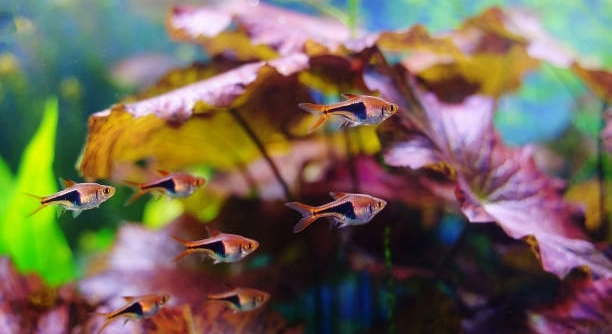
Have you ever watched your rasboras swim and wondered if they might be noticing more than just food and other fish?
Rasboras may be showing signs of spatial learning through behaviors like route repetition, avoidance of certain areas, and adapting to changes in their environment. These clues suggest they are capable of remembering and responding to their surroundings in a meaningful way.
As you observe these patterns, you may start to recognize how your rasboras interact with their tank space in surprising ways.
Repeated Routes Around the Tank
If your rasboras seem to swim the same paths over and over, it’s not random. This kind of behavior may show they’ve memorized the layout of their tank. When fish consistently follow the same routes, it can indicate a basic form of spatial learning. This means they might know which areas are safe, which ones offer food, or where they like to rest. It’s not just instinct—it’s awareness. Rasboras may use visual markers like decorations, plants, or bubbles to help them create a mental map. These familiar paths become part of their routine, showing they are not simply reacting, but responding with memory. Observing these repeated patterns over time may reveal how their behavior is shaped by learning. It’s a quiet but clear sign that these small fish are picking up on details of their space and using that information in their everyday movements.
This habit shows structure. They’re not just wandering—they’re choosing.
Consistency in movement patterns can mean rasboras are using memory to navigate. Even small fish can make sense of space if given time and the right conditions. Tank setups that include gentle changes in shape, texture, and light can help reinforce these patterns. If rasboras follow the same loop throughout the day, it might mean they’re making mental connections between spots—like swimming past a leaf where food often settles, then darting through an arch they use as a shortcut. You can try shifting a few items in the tank slightly and see how they respond. If they adjust quickly or hesitate, it may reveal their ability to process the change. Not all changes should be frequent, but small ones from time to time can help you learn more about how they’re using their space. Observing calmly from outside the tank lets you catch these behaviors and better understand how they’re interacting with their surroundings.
Hesitation at New Obstacles
Rasboras may pause or slow down when new items appear in the tank. This pause could mean they’re thinking.
Adding even a simple decoration can show you how aware your rasboras are. If they stop or swim around it cautiously, that hesitation could point to memory and awareness. They notice something is different. This delay in movement often shows that they’re comparing the current layout with what they remember. Over time, if the object stays, most rasboras will begin to include it in their routine. This shows they are not only observing but adjusting their behavior to fit changes. These signs can be subtle, like a short pause before swimming past the new object or choosing a new path that avoids it completely. If the item is removed, they might still react for a while as if it’s still there, showing how they recall previous tank setups. Their behavior tells you more than you may think—it reflects learning.
Changes in Reaction Time
When rasboras become used to their tank, their reaction times can change. At first, they may dart away quickly from sudden movement, but over time, they may show less panic, reacting only to true disturbances.
This change in behavior shows that rasboras can tell the difference between normal and unusual activity. If you clean the tank or move near it often, and they no longer scatter in fear, it’s a sign they’ve learned those actions aren’t threats. They remember what’s safe and react more calmly. Fish that learn their space tend to save their energy for real risks. When they respond more thoughtfully, instead of reacting on impulse, it means they’re not only recognizing patterns but making choices based on past experiences. This adjustment is a clue that they are learning which movements or changes in their space are worth responding to—and which can be ignored.
You may also notice how their reaction time changes based on lighting, feeding routines, or even the time of day. If the tank light goes on at the same time each day, they might begin to stir just before it happens. Their shift in movement could be connected to memory and rhythm. They may wait calmly instead of reacting in a rush. These behavioral changes can seem small, but they add up to something meaningful. It’s worth watching when and how they react—or don’t react—to what’s going on around them. Rasboras are quick learners when they feel secure in their surroundings, and it shows in how they handle routine moments.
Familiarity With Feeding Zones
Rasboras often gather in the same areas at feeding time, even before food appears. This behavior is not random. It suggests they know where to expect food and may be anticipating based on repeated experience.
If your rasboras start to hover near the top of the tank or gather under a specific plant just before you feed them, it’s likely not just habit—it’s memory. They recognize patterns. Many fish remember feeding locations, and rasboras are no different. Repeated routines help them form links between time, location, and food. This means they’re adjusting their movement to be in the right place at the right moment. If you feed them at the same time and spot daily, they may arrive early, even showing some excitement. You can test this by switching feeding zones slightly—if they hesitate or seem unsure, you may be seeing just how much they rely on those mental cues.
Avoidance of Unpleasant Areas
Rasboras may learn to stay away from certain areas if they’ve had a bad experience there, like strong current or sudden noise. This avoidance is not just instinct—it may show they remember past discomfort.
They often swim around these zones rather than through them. This behavior points to learning over time.
Adjusting to Rearranged Decor
If you move tank decorations, rasboras might seem confused at first. They may hesitate or swim in wide circles until they regain comfort. This shows they were using those items as landmarks and now need to relearn their space. Their return to normal movement confirms they’ve adjusted to the new layout.
Response to Reflection or Movement Outside the Tank
If rasboras react to your presence outside the tank, it may show awareness beyond the water. They sometimes respond with quick turns or by gathering in expected areas like the feeding spot.
How can I tell if my rasboras are learning their tank space?
You can notice several behaviors that suggest your rasboras are learning their environment. Look for repeated swimming paths, hesitation near new objects, and changes in reaction times to movements outside the tank. They may also gather in specific feeding zones before food appears. These patterns show they remember and adjust to their surroundings rather than acting randomly.
Do rasboras recognize changes in their tank layout?
Yes, they often respond to changes like moved decorations or added plants by hesitating or exploring differently at first. This shows they were using those items as landmarks. Over time, they adapt, indicating they can relearn and adjust their mental map of the tank space.
Why do rasboras avoid certain parts of the tank?
If rasboras avoid an area, it could be due to previous unpleasant experiences, such as strong water currents or sudden noises in that zone. This avoidance shows they remember discomfort and choose safer routes, which is a sign of spatial learning.
Is it normal for rasboras to react to my movements outside the tank?
Yes, rasboras often notice movements or reflections outside their tank. They might react by gathering near feeding spots or quickly turning away. This behavior shows some level of awareness and recognition beyond just the water environment.
Can feeding routines help rasboras learn their space?
Regular feeding at the same time and place helps rasboras form expectations. They often gather early in those spots, showing they anticipate food based on routine. Changing feeding locations may cause hesitation, which indicates reliance on learned cues.
How long does it take for rasboras to learn their tank layout?
It varies, but generally, rasboras start showing signs of spatial learning within a few days to weeks. Their ability to recognize familiar paths and feeding zones improves as they grow more comfortable and familiar with the environment.
Does tank size affect rasboras’ ability to learn their space?
Yes, smaller tanks with fewer hiding spots may lead to quicker learning because there’s less area to memorize. Larger tanks with more decorations provide more complex environments, which might take longer for rasboras to fully map out mentally.
Can stress affect rasboras’ learning behavior?
Stressful conditions like overcrowding, poor water quality, or aggressive tank mates can reduce rasboras’ willingness to explore and learn. When stressed, they may hide more and show less movement, which limits their chance to form spatial memories.
Are all rasbora species equally good at learning their tank space?
Different rasbora species might vary in their learning abilities due to natural behaviors and temperament. Some species are more active and curious, which can make them better at exploring and memorizing their environment.
How can I encourage my rasboras to learn their tank better?
Keep a stable tank environment with regular feeding schedules and minimal sudden changes. Add natural landmarks like plants or decorations to help them form clear spatial cues. Avoid frequent rearranging, but occasional small changes can stimulate their learning without causing too much stress.
Rasboras are small fish that show more intelligence than many people realize. Their behavior in a tank often reflects an ability to learn and remember their surroundings. By watching how they swim, react to new objects, or return to certain spots for feeding, it becomes clear that they are not just acting on instinct. Instead, they appear to build a mental map of their space and use it to make decisions. This kind of learning is important because it helps them stay safe and find food efficiently. Recognizing these signs can deepen your understanding of how rasboras live and interact in their environment.
The way rasboras adapt to changes in their tank also speaks to their learning abilities. When decorations are moved or new items are introduced, they may hesitate or explore cautiously. This hesitation shows they notice differences and take time to update their mental map. Over time, as they become familiar with the new setup, their movements return to normal. This adjustment process reflects a flexible memory that helps them cope with change. Learning in this way can improve their comfort and reduce stress, making them healthier and more active fish.
Paying attention to your rasboras’ behavior can help you provide a better home for them. Keeping a stable environment with clear landmarks allows them to learn and feel secure. Consistent feeding times and locations encourage routine, which rasboras quickly pick up on. Avoiding sudden, frequent changes helps reduce stress and gives them a chance to fully understand their space. Watching for signs like repeated swimming paths, cautious behavior near new objects, and their reactions to movements around the tank will give you insight into their learning process. This understanding can make caring for rasboras more rewarding and help create an environment where they thrive.

Hello,
If you enjoy the content that we create, please consider saying a "Thank You!" by leaving a tip.
Every little bit helps us continue crafting quality advice that supports the health, happiness, and well-being of pets around the world, for pets of all shapes, sizes, and species.
We really appreciate the kindness and support that you show us!