
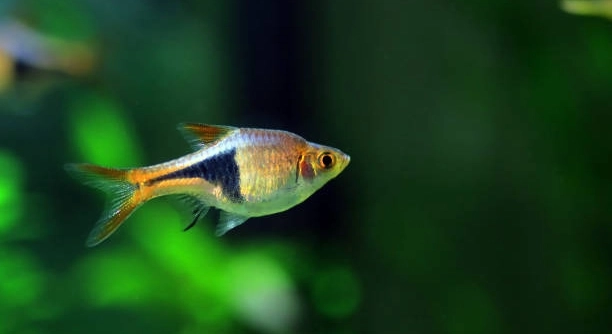
Do you ever find yourself watching your rasboras swim and wonder if they can learn to follow a daily routine just like other pets?
Rasboras can be trained to expect routine through consistent feeding times and environmental cues. Over time, these fish begin to associate specific actions, such as the room lighting or human movement, with feeding or activity.
Understanding how rasboras react to patterns can help create a more stable environment and improve their overall well-being in the tank.
Recognizing Routine in Rasboras
Rasboras are small, peaceful fish that can adapt well to consistent environments. While they don’t learn in the same way as mammals or birds, they are capable of recognizing patterns. If you feed them at the same time every day, they often begin to swim near the surface or gather near their feeding spot just before mealtime. This is not because they understand time, but because they respond to regular external cues. Lighting, movement around the tank, and even the sound of the food container can signal to them that it’s feeding time. Over time, they begin to associate these signals with what happens next. Keeping their schedule predictable helps reduce stress and supports their health. A calm, clean tank with steady routines allows rasboras to thrive. Routine doesn’t just benefit their behavior; it can also make your care tasks easier and help you notice when something is off.
Rasboras are sensitive to change, so sudden shifts in routine can lead to confusion or stress behaviors like hiding or erratic swimming.
While rasboras won’t perform tricks or complex tasks, their ability to respond to predictable patterns makes them more interactive. This kind of awareness adds a subtle layer of connection between you and your fish.
Setting a Routine That Works
Routines work best when they are simple and consistent. Try to feed your rasboras at the same time each day, and use the same steps leading up to feeding.
Feeding and lighting routines are the two main areas where rasboras can show learned behavior. Turning on the aquarium light at the same time each day, for example, sets a rhythm that helps regulate their internal clocks. Similarly, feeding them in a consistent way—same time, same spot, same amount—reinforces their understanding of what to expect. It’s helpful to keep other environmental factors stable too, like temperature and noise levels near the tank. Sudden movements, loud sounds, or inconsistent lighting can interrupt their routine and cause stress. Over time, as your rasboras grow more familiar with these patterns, you may notice subtle changes in their behavior. They might become more active during certain times or gather in the same spot before meals. These patterns are small signs that your fish are becoming in tune with the flow of their day. With a little patience, the tank begins to feel more alive and responsive.
Using Visual and Environmental Cues
Rasboras respond well to environmental consistency. Simple cues like room lighting, movement near the tank, or the sound of a lid opening can signal that feeding time is near. Repeating these cues daily helps them connect actions with outcomes.
Start by using the same light schedule every day. For example, turn on the aquarium light at 8 a.m. and off at 8 p.m. Avoid sudden changes. When feeding, approach the tank slowly and perform the same motions—open the lid, wait a moment, then drop the food. Over time, rasboras begin to recognize the pattern. You might see them swim to the top when they sense these signs. They aren’t being trained like dogs, but they do form a rhythm based on repetition. Pairing these visual or audio cues with feeding helps them understand what’s coming. It creates a sense of timing in their day.
Along with lighting and motion, tank setup matters. Try not to change decorations or rearrange plants too often. Keeping the environment stable makes rasboras feel secure and more open to noticing patterns. If possible, use natural light during daytime hours but avoid direct sun. Limit tapping or sudden shadows across the tank, as those can confuse or stress them. Consistency builds comfort.
What to Avoid When Creating Routine
Too much change in their environment can make rasboras anxious. Avoid changing feeding times, tank layout, or light schedules too often. Loud noises, vibrations, and frequent movement around the tank can also make them less likely to respond to your routine.
Feeding at random times may cause the fish to stay hidden or become less active. Skipping feedings, adding new fish suddenly, or turning lights on and off at irregular hours can break the sense of rhythm rasboras rely on. If you have to change something, try doing it gradually. For example, shift the light schedule by fifteen minutes at a time over several days rather than all at once. Rasboras are small and easy to overlook, but they notice more than we think. When you give them structure, they respond with stable, visible behaviors. It’s a small step that can make your tank easier to care for and more enjoyable to observe.
How Long It Takes to See a Response
Most rasboras begin showing signs of routine awareness after one to two weeks of consistent care. You might notice them gathering at the surface or becoming more active before feeding time once they recognize your pattern.
If you stop the routine, the learned behavior fades within days. They rely on repetition and may quickly forget patterns if cues are removed. Keeping your routine steady helps them stay responsive and calm in the tank.
Small Signs Your Rasboras Are Adapting
When rasboras start responding to routine, you may notice them swimming in a group near the feeding area as you approach. Some may hover near the surface or become more active before the lights go on or off. These changes are subtle but clear signs that they are connecting your actions to daily events. Over time, this behavior can help you monitor their health and comfort. If a usually active fish stops responding to cues, it may mean something is wrong. Their reactions are not dramatic, but they do offer a small window into how they feel in their environment.
Final Thoughts on Routine
Routines won’t make rasboras smarter, but they will make them more predictable and relaxed. This makes caring for them easier and more enjoyable over time.
FAQ
Can rasboras really learn routines like other pets?
Not in the same way dogs or cats do, but they can recognize consistent patterns. If you feed them at the same time each day and keep your actions steady, they begin to associate certain movements, sounds, or lights with what’s coming next. It’s not complex learning—it’s simple habit-forming based on repetition. Their behavior becomes more predictable because they feel more secure when their environment doesn’t change much. While they won’t learn tricks or commands, they will respond to routine cues with familiar actions like swimming to the top or gathering in a group.
How long should I stick with a routine before expecting results?
Usually within one to two weeks, rasboras will begin to show signs of pattern recognition. This means they might start getting more active when lights come on or gather at the surface when they sense feeding is near. The key is to be consistent every day. If you shift your schedule too often, it resets their response, and it may take longer for them to adapt. Giving them the same cues at the same time each day helps create a flow that they learn to expect. If nothing seems to change after two weeks, look at the cues you’re giving.
What are the best cues to use when building a routine?
Lighting is one of the most effective cues. Turning the aquarium light on and off at the same time each day sets a clear rhythm. Feeding actions—such as lifting the lid, using the same container, or approaching from the same direction—also work well. These simple, repeated behaviors signal to your rasboras what’s about to happen. Over time, they associate these small actions with food or activity. You don’t need anything fancy. Just repeat the same steps each day in a calm way, and they’ll begin to respond. Avoid making loud or sudden movements, as that can confuse them.
Can breaking the routine cause stress for rasboras?
Yes, it can. Rasboras are sensitive to environmental changes, and sudden disruptions in their routine may lead to stress behaviors. These include hiding more than usual, darting around the tank, or showing less interest in feeding. While one missed feeding won’t hurt them, regular inconsistency might lead to longer-term stress. This doesn’t mean your schedule must be perfect, but try to avoid big changes when possible. If you need to shift something, like feeding time or light schedule, do it gradually so they have time to adjust. They do best when things feel steady and familiar.
Can rasboras respond to sound cues?
They can respond to repeated sounds, especially if those sounds always come before something important like feeding. For example, if your food container makes a soft click or you tap lightly before feeding every day, rasboras may start to swim upward when they hear it. Their hearing is not as sensitive as some animals, but they do pick up vibrations and patterns. It’s important not to use loud or random noises. Keep it soft, consistent, and part of the routine. These sound cues can be a helpful way to connect with them without disturbing their environment.
What signs show my rasboras are comfortable with the routine?
Comfort shows in small, steady behaviors. If your rasboras swim calmly, eat right away, or come forward when you approach, those are signs they feel safe. You might also notice that they are more active at certain times—especially just before feeding. They’ll often gather in one spot or explore more confidently. Lack of hiding, consistent schooling behavior, and even regular sleeping patterns (settling near plants or decorations) also indicate comfort. If they respond to cues you repeat daily, that’s another clear sign they’ve adapted to your routine. These small details help you understand their comfort level.
What should I do if I have to break the routine temporarily?
If you know ahead of time that your schedule will change—like during travel—try to prepare gradually. Start shifting the routine by 10–15 minutes each day instead of all at once. If someone else is feeding them, explain the steps and keep the routine as close to normal as possible. When you return, ease back into the original timing. Rasboras are adaptable with time, but sudden shifts can throw them off. A little planning can make a big difference in how smoothly they adjust. Most will return to their usual behaviors within a few days if handled gently.
Is it worth the effort to build a routine for rasboras?
Yes. While it may seem simple, a routine adds structure to their environment and lowers stress levels. It also makes your care routine easier, as you’ll notice patterns in their behavior and spot problems sooner. When rasboras are relaxed, they eat better, interact more, and show off their natural colors. A routine isn’t about control—it’s about creating a safe, predictable space. This small effort can lead to a more enjoyable experience for both you and your fish. It also helps you build a better sense of connection, even if it’s just through small daily cues and movements.
Final Thoughts
Keeping a routine for your rasboras may seem like a small detail, but it makes a big difference over time. These fish are not trained in the same way as pets like dogs or birds, but they still learn from repeated actions. By feeding them at the same time each day and keeping the lighting and environment consistent, you help them feel more secure. A steady schedule helps reduce stress and encourages healthy behavior. Rasboras may not show big reactions, but small signs—like gathering at the top before feeding or swimming calmly—show they notice the rhythm of their day.
Maintaining routine also helps you as a fish keeper. When your rasboras are used to a regular schedule, it’s easier to see when something is off. If one of them suddenly stops swimming with the group or ignores feeding time, you’ll notice the change right away. This can help you catch possible health problems early. A routine makes your daily care feel smoother, too. You’ll get into a habit just like they do, and both you and your fish benefit from the flow. You don’t need expensive tools or extra effort—just consistency. Doing the same things around the same time every day is enough.
In the end, building a routine isn’t just about feeding and lighting. It’s about creating a calm, steady space where your rasboras feel safe. Fish may not respond with excitement or affection, but they do show comfort in other ways—through calm swimming, natural grouping, and predictable activity. These signs mean they feel at ease in their space. That’s the main goal. A peaceful tank with a gentle routine is not only better for your rasboras, but also makes your time watching and caring for them more enjoyable. With patience and a little care, your rasboras will adjust to their schedule and give you a small glimpse into how even the quietest pets can respond to the world around them.

Hello,
If you enjoy the content that we create, please consider saying a "Thank You!" by leaving a tip.
Every little bit helps us continue crafting quality advice that supports the health, happiness, and well-being of pets around the world, for pets of all shapes, sizes, and species.
We really appreciate the kindness and support that you show us!