
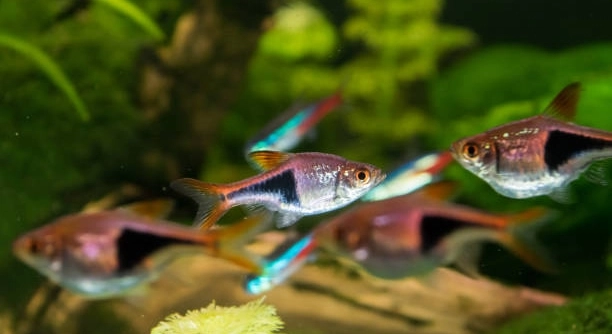
Many aquarium enthusiasts enjoy observing the behaviors of their fish, often noticing small movements and reactions that hint at complex minds. Rasboras are popular freshwater fish known for their peaceful nature and active swimming patterns. Understanding whether these fish show curiosity adds a new layer to caring for them.
Rasboras do display behaviors that suggest curiosity, such as investigating new objects or changes in their environment. These actions indicate an interest beyond simple survival instincts, showing their ability to adapt and explore their surroundings actively.
Exploring these behaviors helps fish owners create a more engaging habitat for their rasboras, improving their overall well-being and enjoyment.
How Rasboras Show Curiosity
Rasboras often react when something new is added to their tank, like a decoration or a sudden change in light. They swim closer, sometimes touching the object gently with their mouths or fins. This behavior shows they are not just passive swimmers but active explorers of their space. When I introduced a new plant to my tank, my rasboras immediately swam around it, checking it from different angles. They seemed to “investigate” it rather than avoid it. This curiosity likely helps them stay aware of their environment and find food or avoid danger. Even subtle changes, such as a new fish or rearranged gravel, catch their attention. Watching them interact this way makes caring for them more interesting and encourages me to keep their environment stimulating and varied.
These actions suggest that rasboras use exploration to learn about their surroundings, an important survival skill.
Observing these small but meaningful behaviors can help owners understand how to enrich the tank environment. Providing new objects or changing layouts occasionally may keep rasboras mentally active and happier overall.
Factors Influencing Rasbora Curiosity
Environmental conditions play a big role in how curious rasboras appear. Stress, poor water quality, or overcrowding can reduce their interest in exploring. A calm, clean tank encourages natural behavior, including curiosity. Temperature and lighting also affect their activity levels. When conditions are optimal, rasboras are more likely to investigate changes and explore new items.
Healthy rasboras show curiosity more clearly, which makes monitoring tank conditions important.
Keeping a stable environment with clean water and enough space allows rasboras to express their natural behaviors. Introducing new objects slowly helps avoid stress, making it easier for the fish to engage with changes. Offering a varied environment with plants, hiding spots, and gentle water flow encourages movement and exploration. By understanding these factors, owners can support their rasboras’ natural curiosity and improve their quality of life. It’s a small effort that results in a more active, interesting tank to watch.
Signs of Curiosity in Rasboras
Rasboras often explore new objects or changes in their tank by swimming close and touching with their fins or mouths. This behavior shows active interest, not just instinctive reaction.
When a new plant or decoration is added, rasboras tend to swim around it repeatedly. They may nibble gently or hover nearby, watching closely. These actions suggest they are assessing the object, trying to understand its nature. It is not random swimming but focused attention. I noticed my rasboras did this when I changed the gravel color, showing they recognize and respond to their environment. Such curiosity helps them adapt and feel safe in their space.
Their attention span on new objects varies. Some fish show more interest, while others explore less, possibly due to personality differences or tank conditions. Recognizing these signs helps keep their environment engaging and supports their mental health.
Encouraging Exploration in Your Tank
Adding variety to the tank encourages rasboras to explore more often. Plants, rocks, and safe decorations invite natural investigation and movement.
Regularly changing the tank layout or introducing new elements can keep rasboras interested and active. For example, moving plants or adding floating leaves gives them fresh spots to check out. This also mimics natural habitats where changes occur, helping the fish stay alert. I found that when I introduced a small cave, my rasboras explored it curiously, swimming in and out. However, changes should be gradual to avoid stress. A tank that stays the same for too long might bore the fish, while too many changes too fast can overwhelm them. Balancing these adjustments supports their natural curiosity without causing discomfort.
Interaction with Tank Mates
Rasboras often show curiosity through how they interact with other fish. They swim close, sometimes following or circling tank mates. This behavior helps build social bonds and establish territory.
They rarely act aggressively but remain aware of other fish’s movements. Watching these interactions can reveal their comfort level and interest in their environment.
Response to Feeding Time
Rasboras quickly notice when feeding begins and may swim actively toward the surface. Their alertness shows they recognize feeding cues and respond with anticipation. This behavior reflects learning and curiosity about routine events.
Impact of Tank Environment on Behavior
The layout and size of the tank influence how much rasboras explore. Larger, well-decorated tanks encourage more activity and curiosity. Simple, bare tanks limit their natural behaviors and reduce engagement.
Common Misunderstandings
Rasboras’ calm nature is sometimes mistaken for lack of curiosity, but they do show interest in their surroundings through subtle behaviors. Recognizing this helps provide better care.
Can Rasboras recognize their owners?
Rasboras don’t recognize people like some pets do, but they can learn to associate owners with feeding times. Over time, they may swim toward the front of the tank when you approach, expecting food. This behavior shows they remember routines and respond to familiar signals, even if they don’t identify you personally.
How can I tell if my rasboras are bored?
If rasboras seem less active or hide more than usual, they may be bored or stressed. A lack of curiosity about new objects or changes in the tank can also indicate boredom. Adding plants, decorations, or changing the tank layout gently can help stimulate them.
Do rasboras explore at night?
Rasboras are mostly active during the day, with limited exploration at night. They tend to rest or stay hidden in plants when it’s dark. Providing a natural day-night cycle helps maintain their healthy activity levels.
Will rasboras be curious about new fish in the tank?
Yes, rasboras often show interest in new tank mates by swimming near them and observing their behavior. They are peaceful fish and usually avoid aggression, preferring to assess new additions quietly. This curiosity helps them understand if the newcomer is a threat or part of the group.
Does tank size affect rasbora curiosity?
A larger tank with varied decorations encourages more exploration and curiosity. Small, bare tanks limit their ability to investigate and hide, which can reduce their natural behaviors. Creating a stimulating environment supports their mental and physical health.
Can rasboras get stressed from too many changes?
Yes, sudden or frequent changes can stress rasboras. They prefer a stable environment with gradual adjustments. Introducing new plants or decorations slowly allows them time to adapt and maintain their curiosity without fear.
Are rasboras curious about different types of food?
Rasboras do show interest in various foods and may explore new types by nibbling or investigating. Offering a varied diet keeps them engaged and supports their nutrition. Observing their reactions to food can also reveal their preferences.
How does lighting affect rasbora behavior?
Proper lighting helps rasboras stay active and curious. Too much or too little light can make them hide or become less interested in exploring. A balanced day-night cycle mimics their natural habitat and promotes healthy behavior.
Do rasboras respond to sounds or vibrations?
Rasboras can sense vibrations in the water and may react by swimming toward or away from the source. While they don’t hear sounds like mammals, water movement influences their alertness and curiosity.
Can rasboras be trained to respond to cues?
While not easily trained like some pets, rasboras can learn to associate certain actions, like tapping on the tank or feeding times, with food. They may respond by swimming closer, showing a basic form of learned behavior linked to curiosity.
Rasboras are small fish with simple needs, but they show more interest in their surroundings than many people expect. Their behavior reveals curiosity through how they explore new objects, interact with tank mates, and respond to changes. Watching these subtle signs can help owners understand their fish better and create an environment that keeps them active and engaged. It is clear that rasboras are not just passive creatures swimming aimlessly; they have natural instincts to investigate and learn about their space. This curiosity is important for their well-being and helps them adapt to their tank environment.
Creating a stimulating home for rasboras means offering more than just clean water and food. Adding plants, decorations, and gently changing the tank layout encourages exploration. These changes keep the fish interested and provide mental activity, which is good for their health. However, it is important to introduce changes slowly to avoid causing stress. A balance between stability and variety supports their natural behavior and curiosity. Observing how rasboras respond to new elements can also guide owners in making the tank a safe and enjoyable place for the fish.
In the end, understanding rasbora curiosity adds to the enjoyment of keeping them. It shows that even small fish can have complex behavior worth noticing. Providing an environment that supports their natural instincts benefits both the fish and their owners. Simple efforts like varying the tank setup and watching for signs of interest or stress make a big difference. Rasboras thrive best when their surroundings invite them to explore and interact. Taking time to notice and encourage their curiosity leads to a healthier, more active tank.

Hello,
If you enjoy the content that we create, please consider saying a "Thank You!" by leaving a tip.
Every little bit helps us continue crafting quality advice that supports the health, happiness, and well-being of pets around the world, for pets of all shapes, sizes, and species.
We really appreciate the kindness and support that you show us!