
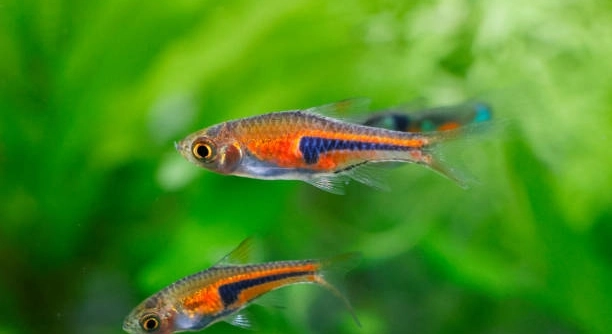
Rasboras are popular freshwater fish known for their peaceful nature and vibrant colors. Many fishkeepers wonder how these small fish react when their aquarium water is changed. Proper water changes are essential for maintaining a healthy environment for rasboras.
Rasboras generally tolerate water changes well if the process is gradual and water parameters such as temperature and pH remain stable. Sudden or large water changes can cause stress, which affects their health. Consistent maintenance ensures their well-being.
Understanding how rasboras respond to water changes helps maintain their health and keeps your aquarium balanced and thriving over time.
How Rasboras React to Water Changes
Rasboras are sensitive to sudden shifts in their environment. When water changes are done too quickly, it can shock their systems, causing stress and possible health problems. The key is to keep water parameters like temperature, pH, and hardness consistent. Gradual water replacement helps avoid these issues. Many aquarists recommend changing about 20-30% of the water weekly to keep the tank clean without causing drastic changes. Using a water conditioner to remove chlorine and chloramine is also important. Observing your fish during and after the change helps catch any early signs of distress. Healthy rasboras will swim actively and show bright coloration. Maintaining a stable environment supports their natural behavior and reduces the chance of illness. When you follow a steady routine, your rasboras can adapt well to water changes with minimal impact on their wellbeing.
Small, regular water changes maintain tank cleanliness and reduce stress for rasboras. Large, infrequent changes often cause health issues.
Understanding the specific needs of rasboras makes water changes more effective. Since they come from slow-moving waters, they prefer stable conditions. Fluctuations in water quality or temperature can trigger a stress response. It’s best to match the new water temperature closely to the tank’s to avoid temperature shock. Testing water parameters before and after changes ensures that chemical levels remain safe. Avoid changing the entire tank water at once, as this can remove beneficial bacteria crucial for the nitrogen cycle. These bacteria help break down waste and keep ammonia and nitrite levels low. Using a gravel vacuum during water changes helps remove debris without disturbing the beneficial bacteria too much. With careful attention to these details, rasboras thrive in a healthy, stable aquarium environment.
Tips for Successful Water Changes
Planning water changes carefully is essential for rasbora health. Quick swaps risk harming your fish.
To perform water changes correctly, start by preparing water that matches the aquarium’s temperature and pH. Use a siphon to remove debris and about 20-30% of the water. Always add a water conditioner to treat tap water, making it safe for fish. Change water regularly to avoid buildup of toxins but avoid doing it too often, as frequent disturbances can stress fish. Monitor water quality with test kits to ensure parameters stay within safe ranges. Keeping the aquarium clean through partial water changes supports stable water chemistry, which is vital for rasboras. Over time, this practice promotes strong immune systems and more active, colorful fish. Consistency in water changes reduces fluctuations, helping rasboras adjust comfortably and remain healthy.
Signs of Stress During Water Changes
Rasboras often show subtle signs when stressed by water changes. Changes in behavior or appearance are important to notice early.
Common signs of stress include clamped fins, lethargy, loss of appetite, and hiding more than usual. Color fading or rapid breathing can also indicate discomfort. These symptoms suggest the water parameters may have shifted too quickly or are unsuitable. Monitoring these signs helps prevent serious health problems before they worsen. Immediate action, such as adjusting water conditions or performing smaller water changes, can reduce stress. Knowing these signals allows you to provide a safer environment and improve the overall health of your rasboras. Avoiding stress ensures they remain active and vibrant.
Observing your rasboras closely during and after water changes helps catch early signs of trouble. If you notice any changes in behavior or appearance, checking water parameters immediately is essential. Testing for ammonia, nitrite, nitrate, pH, and temperature can reveal if conditions are harmful. If values are off, partial water changes or adjusting treatments can restore balance. Stress can weaken their immune systems, making them vulnerable to disease. Taking action early minimizes these risks. Consistency and careful monitoring help rasboras adapt to routine water maintenance without harmful effects.
Preparing Water for Rasboras
Matching the water conditions is crucial to reduce stress during changes. Preparation is key to success.
Tap water often contains chlorine or chloramine, which are harmful to fish. Using a water conditioner removes these chemicals before adding water to the tank. Temperature should be measured and adjusted to match the tank’s water closely to avoid shock. Testing pH and hardness helps ensure compatibility with the aquarium environment. Preparing water in advance allows any chlorine to dissipate and temperature to stabilize. This care reduces the chance of stress and keeps your rasboras healthy during changes. Proper preparation simplifies water changes and creates a safer habitat.
When preparing water, fill a separate container with the desired amount of tap water. Add a reliable water conditioner according to the instructions. Let the water sit for at least 15 minutes to allow chemicals to neutralize and temperature to equalize. Use a thermometer to check the temperature regularly. Adjust the water temperature gradually if needed, avoiding sudden differences from the tank’s water. This method ensures smooth transitions during water changes and protects delicate fish like rasboras. Prepared water supports a stable aquarium environment, which is vital for their long-term health and wellbeing.
Frequency of Water Changes
Water changes should be regular but not excessive. Consistency helps maintain stable conditions for rasboras.
Changing 20-30% of the water weekly is ideal. This keeps harmful waste low without stressing the fish. Overdoing water changes can disrupt the tank’s balance and harm beneficial bacteria.
Impact of Poor Water Quality
Poor water quality causes stress and health issues in rasboras. High ammonia and nitrite levels are especially dangerous.
If water quality is neglected, fish may develop diseases, lose color, or become lethargic. Regular testing and water changes prevent these problems and promote a healthy environment for rasboras.
Adjusting to New Water
Rasboras need time to adjust after water changes. Sudden shifts can cause stress and impact their behavior.
Importance of Observation
Careful observation after water changes helps detect problems early and ensures rasboras stay healthy.
FAQ
How often should I change the water for my rasboras?
Changing about 20-30% of the aquarium water once a week is generally recommended. This routine helps keep the water clean and stable, removing excess waste and toxins without causing too much stress to the fish. Less frequent or larger water changes can shock rasboras, while smaller, more frequent changes might disturb the tank’s balance and beneficial bacteria.
What temperature should the new water be during a change?
The new water should be as close as possible to the current tank temperature. Sudden changes in temperature can stress rasboras and make them vulnerable to illness. Using a reliable aquarium thermometer to check the water temperature before adding it to the tank helps ensure it matches well.
Can I use tap water for water changes?
Tap water can be used if treated properly. Most tap water contains chlorine or chloramine, which are harmful to fish. Using a water conditioner to neutralize these chemicals is essential before adding tap water to the tank. Letting the water sit for 15-30 minutes after treatment allows any remaining gases to dissipate.
What are the signs that my rasboras are stressed after a water change?
Signs of stress include clamped fins, pale colors, hiding, rapid breathing, and loss of appetite. If you notice these symptoms after a water change, it could mean the new water’s parameters or temperature are off. Immediate testing and adjustments to water conditions can help reduce stress and protect their health.
Is it okay to change all the water at once?
Changing all the water at once is not recommended. It can remove beneficial bacteria that are necessary for breaking down waste and maintaining water quality. Large water changes can also shock rasboras by drastically altering the water chemistry and temperature. Partial water changes are safer and more effective.
How do I prepare water before adding it to the tank?
Prepare water by first treating it with a water conditioner to remove harmful chemicals. Next, check and adjust the temperature so it matches the tank water. Testing the pH and hardness can also help. Allow the prepared water to sit for 15-30 minutes before adding it, ensuring a smoother transition.
What if my rasboras hide more after a water change?
Increased hiding can be a sign of stress or discomfort. It may mean the water parameters have shifted or the change was too sudden. Monitor water quality and try smaller, more gradual changes in the future. Providing plenty of hiding spots in the tank can help reduce stress during adjustments.
Can I do water changes less often if I have a heavily planted tank?
Heavily planted tanks may require slightly less frequent water changes because plants absorb some waste products. However, regular partial water changes are still necessary to remove toxins and maintain overall water quality. The frequency should be based on water testing results and the specific needs of the fish.
What tools are best for performing water changes?
A siphon or gravel vacuum is ideal for removing water and cleaning debris from the substrate without disturbing the beneficial bacteria too much. Buckets should be clean and used only for aquarium maintenance. Thermometers and water testing kits are also helpful to ensure safe water conditions.
How can I minimize stress during water changes?
Perform water changes slowly and consistently. Match temperature and water parameters as closely as possible. Use treated, conditioned water. Avoid sudden large water replacements. Observing fish behavior before and after changes helps catch any problems early. Providing a calm environment and adequate hiding places also supports stress reduction.
Final Thoughts
Water changes are a necessary part of keeping rasboras healthy and maintaining a clean aquarium. While these fish can tolerate water changes, the key is to do them carefully and consistently. Sudden or large water changes can cause stress, which may lead to health problems. Matching the new water’s temperature and chemistry to the tank’s existing conditions helps reduce shock. Using a water conditioner to remove harmful chemicals from tap water is also important. By following these basic steps, you create a safer and more stable environment for your rasboras.
Regular water changes help remove waste and toxins that build up in the tank. These pollutants, such as ammonia and nitrites, can be harmful if left unchecked. Partial water changes of about 20-30% each week are usually enough to keep the water quality good without disturbing the balance of beneficial bacteria. These bacteria break down harmful substances and keep the tank’s ecosystem healthy. Avoiding large or frequent water changes prevents upsetting this balance, which is critical for the overall health of the fish. Consistency in maintenance is the best way to support your rasboras’ long-term wellbeing.
Observing your fish closely during and after water changes is essential. Changes in behavior, such as hiding, loss of appetite, or unusual breathing, may indicate stress or water quality issues. Testing water parameters regularly helps catch problems early, allowing for quick adjustments. Preparing water in advance by treating it and matching temperature also reduces risks. Small steps like these contribute to a stable aquarium where rasboras can thrive. In the end, gentle and steady care is the best approach to ensure your fish remain healthy and vibrant in their aquatic home.

Hello,
If you enjoy the content that we create, please consider saying a "Thank You!" by leaving a tip.
Every little bit helps us continue crafting quality advice that supports the health, happiness, and well-being of pets around the world, for pets of all shapes, sizes, and species.
We really appreciate the kindness and support that you show us!