
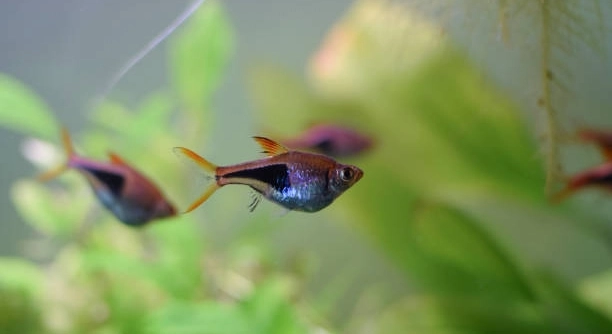
Rasboras are small, lively fish often seen swimming together in groups. Observing their behavior can be enjoyable, especially when one fish leads the way and others follow closely. This article explains how to recognize when a rasbora is following a leader.
Rasbora following behavior is characterized by a clear leader fish swimming confidently at the front, with others maintaining close proximity and mirroring its movements. This social pattern helps the group stay coordinated and safe in their environment.
Understanding these signs will enhance your ability to observe and appreciate rasbora behavior more deeply in your aquarium or natural setting.
Understanding Leader and Follower Roles in Rasboras
In a group of rasboras, one fish often takes the lead by swimming at the front with confidence and purpose. This leader moves more decisively, exploring new areas or guiding the group through the tank or natural habitat. The followers stay close behind, matching the leader’s speed and direction. This behavior helps the group stay together and avoid danger. The leader may change from time to time, but usually, one fish will dominate for a period. Watching these subtle shifts in behavior can tell you a lot about the dynamics in the tank. Leaders tend to be slightly larger or more active, while followers rely on visual cues to maintain formation. This pattern is a natural survival mechanism, helping them stay safe from predators and making it easier to find food. It’s interesting to see how such small fish display such organized social structure.
Leaders initiate movement, while followers respond by maintaining their position behind the leader.
Paying attention to these roles enhances your understanding of rasbora groups and improves your ability to care for their social needs.
Identifying Movement Patterns When Following a Leader
Rasboras following a leader move in tight, synchronized groups. The leader often takes the first steps, swimming in a direct path, while followers adjust their pace to stay near the leader. This tight formation makes the group look like a single, flowing unit. The followers often mirror small turns or speed changes immediately, keeping the group cohesive. When the leader pauses or changes direction suddenly, the followers react quickly to maintain order. This movement pattern helps the fish navigate through their environment efficiently, avoiding obstacles or threats as a group. The pattern also helps distribute the risk among all group members instead of leaving a single fish vulnerable. When you observe these movements, you’ll notice how responsive the followers are, almost as if they’re reading the leader’s mind.
Recognizing these movement patterns allows for better interpretation of group behavior.
In practice, these patterns help keep rasbora groups stable and safe in both home aquariums and in nature. You might see the group dart together when startled or move calmly while exploring. These synchronized behaviors ensure that no fish gets left behind. Understanding this will help you create an environment that supports natural social interactions and promotes the well-being of your rasboras. Keeping the tank properly sized and with enough hiding spots encourages these natural behaviors to appear. Regular observation of their movements can be rewarding, as it reveals the delicate balance of their social structure. Observing how the leader moves and how closely followers stick can also indicate the health and comfort of the group, making it easier to spot when something is off.
Key Visual Signs of Rasbora Following Behavior
Rasboras keep a close distance from their leader, matching its speed and direction. Their body orientation often aligns perfectly with the leader’s, showing clear group coordination.
These fish display smooth, synchronized swimming when following. The followers rarely stray far, creating a steady line or loose cluster. The leader’s movements are purposeful, while followers react promptly to changes in pace or direction. You can notice subtle fin adjustments and body tilts as the group maneuvers together. This alignment helps reduce stress and signals that the group feels safe.
Occasionally, the leader may pause or slow down to check the surroundings. The followers mirror these pauses almost immediately. This responsiveness confirms their reliance on the leader’s cues. If a follower strays or lags, the group tends to adjust, ensuring cohesion is quickly restored. These signs are essential for identifying true following behavior versus random swimming.
Environmental Factors Influencing Following Behavior
Water conditions like temperature and clarity affect rasbora behavior. Clean, stable water encourages natural following patterns.
A tank with adequate space and hiding spots promotes confident leadership and strong group cohesion. Overcrowding or sudden changes in water chemistry can disrupt their movement and social order. Bright lighting may also cause hesitation, while dimmer, stable lighting supports steady group swimming. Feeding routines impact their following as well. Well-fed rasboras tend to swim calmly in groups, while hunger may cause scattered or competitive behavior.
Maintaining stable, comfortable conditions lets their natural following behavior shine. Observing them regularly helps you notice any environmental issues early, allowing for timely adjustments that support their social needs and overall health.
How Lighting Affects Rasbora Behavior
Lighting plays a key role in how rasboras follow their leader. Too bright light can make them nervous, causing scattered swimming instead of tight following.
Dim or natural lighting encourages calm, steady movement, helping the group maintain close formation and clear leadership.
The Role of Tank Size in Following Patterns
A properly sized tank allows rasboras enough space to swim comfortably without stress. In smaller tanks, following behavior may appear cramped or erratic due to limited room to maneuver. Larger tanks encourage natural group dynamics, giving the leader space to explore while followers keep pace. Providing enough swimming space supports healthy social behavior and reduces conflict.
Feeding Impact on Group Coordination
Regular feeding encourages rasboras to swim calmly and stay together, reinforcing their following behavior.
When Following Behavior Changes
Sudden shifts in following behavior can indicate stress or illness in the group.
FAQ
How can I tell if a rasbora is the leader?
The leader usually swims at the front with more confidence and steady movement. It sets the direction, and other rasboras follow closely behind. Often, the leader may be slightly larger or more active. Watching for which fish initiates changes in speed or direction helps identify the leader.
Why do rasboras follow a leader?
Following behavior helps keep the group safe and organized. By swimming together, they reduce the chance of being singled out by predators. The leader guides the group to food or safe spots, and followers benefit by staying close to the leader’s cues. This social behavior is natural and improves their survival.
Can the leader change over time?
Yes, the leader role is not fixed. Sometimes a follower may take over if the leader grows tired, injured, or less active. Changes happen smoothly as the group adjusts to new leaders. Watching this shift can give insights into the group’s health and dynamics.
What if my rasboras don’t seem to follow each other?
Lack of following might be caused by stress, poor water conditions, or tank overcrowding. Check water quality and ensure enough space and hiding places. Sometimes, the group may be too small or composed of fish that don’t yet feel comfortable together.
Does tank size affect following behavior?
Yes, tank size matters. Too small a tank limits natural swimming space and can disrupt group coordination. A larger tank allows the leader and followers to move freely, encouraging natural following patterns and reducing stress.
How does feeding affect following?
Regular feeding helps rasboras feel secure, making following behavior more consistent. If they are hungry or competing for food, they might scatter or become less organized. Feeding small amounts frequently encourages calmer group swimming.
Can lighting influence how rasboras follow?
Bright or harsh lighting can make rasboras nervous, causing them to scatter instead of following closely. Dim or natural lighting encourages calm behavior and better group cohesion, allowing clear leader-follower patterns.
What are signs that following behavior is unhealthy?
If the group appears disorganized, with fish isolating or darting nervously, it may indicate stress, illness, or poor environment. Sudden loss of following behavior should prompt water tests and observation for illness symptoms.
Are certain species of rasbora more likely to follow a leader?
Some species, like the Harlequin Rasbora, are well known for strong schooling and leader-following behavior. Other species may show less obvious patterns. Knowing your species’ natural habits helps set expectations.
Can I encourage following behavior?
Yes, by maintaining stable water conditions, appropriate tank size, and regular feeding, you support natural social behaviors. Avoid sudden changes in environment and provide plants or decorations for shelter, which helps rasboras feel secure enough to follow.
How many rasboras should I keep to observe following?
A group of at least six is ideal to see clear following behavior. Smaller groups may not display strong leader-follower patterns since social dynamics depend on group size.
What does it mean if the leader is always the same fish?
Consistent leadership can indicate a healthy, stable group with a confident leader. However, if one fish dominates aggressively, it could stress others. Watch for signs of bullying or fatigue in the leader.
Can stress cause changes in following behavior?
Stress from poor water, sudden noise, or aggressive tank mates disrupts following behavior. Rasboras may scatter, hide, or stop schooling until conditions improve. Reducing stressors helps restore normal group movement.
Is following behavior important for their health?
Yes, natural social behavior like following helps reduce stress and supports mental well-being. Rasboras kept alone or in poor conditions may show less activity and poorer health.
What if I notice one fish always lags behind?
A lagging fish could be weak, sick, or bullied. It may struggle to keep up with the group. Observing this can alert you to potential health issues or social problems that need addressing.
Can tank mates affect rasbora following behavior?
Yes, aggressive or overly active tank mates can disrupt rasbora groups, causing stress and broken formations. Choosing peaceful companions encourages natural schooling and following behavior.
Rasboras are fascinating fish to watch, especially when they display their natural following behavior. Observing a leader guiding the group while others follow closely shows how well these fish communicate and stay connected. This behavior is important for their safety and comfort. When they follow a leader, rasboras feel more secure and less stressed. It’s a clear sign that the fish are healthy and happy in their environment. Knowing how to spot this behavior helps you understand your fish better and meet their needs more effectively.
Maintaining the right tank conditions plays a big role in encouraging rasboras to show their following behavior. Factors like tank size, lighting, water quality, and feeding routines all impact how well they interact as a group. A spacious tank with calm lighting allows the leader to swim freely while the followers keep pace without feeling crowded or stressed. Regular feeding helps reduce competition and keeps the group relaxed. Clean water supports their overall health, which is essential for natural behavior to appear. By paying attention to these details, you create an environment where your rasboras can thrive socially and physically.
Watching rasboras follow a leader offers a rewarding glimpse into their social lives. It reminds us how even small fish rely on teamwork and communication to stay safe. This behavior is not only interesting but also valuable for anyone caring for these fish. Recognizing the signs of following helps identify problems early, such as stress or illness, so you can take action quickly. Supporting natural group behavior leads to healthier, more active fish, making your aquarium a more vibrant and balanced space. Taking the time to observe and understand these patterns deepens your connection with your aquatic pets.

Hello,
If you enjoy the content that we create, please consider saying a "Thank You!" by leaving a tip.
Every little bit helps us continue crafting quality advice that supports the health, happiness, and well-being of pets around the world, for pets of all shapes, sizes, and species.
We really appreciate the kindness and support that you show us!