
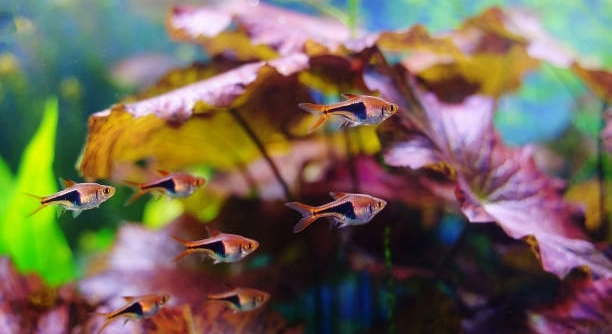
Do your rasboras seem to behave differently depending on the size of their tank? Many aquarium enthusiasts notice changes in fish activity and social interactions when they change the tank environment. Understanding these shifts can help keep your rasboras comfortable and healthy.
Rasboras do react differently to tank size. Larger tanks generally promote more natural swimming patterns and reduce stress, while smaller tanks can lead to increased aggression and restricted movement. Tank size directly influences their behavior and well-being.
Knowing how tank size affects rasboras can improve your care routine and create a better habitat for them to thrive in.
How Tank Size Influences Rasbora Behavior
The size of the tank plays a big role in how rasboras act. In a larger tank, they have more space to swim freely and form natural groups. This space helps reduce their stress and makes them more active. When the tank is too small, rasboras may feel cramped and show signs of agitation, such as darting quickly or hiding more often. Small tanks also limit their ability to establish a clear social hierarchy, which can lead to conflicts among the fish. Additionally, water quality tends to be harder to maintain in small tanks, which affects their health and mood. Providing enough space mimics their natural habitat better and encourages behaviors like schooling and exploring. Overall, tank size is one of the simplest changes you can make to improve your rasboras’ quality of life.
Smaller tanks often result in restless or aggressive behavior due to limited space and poor water conditions.
Adjusting tank size to suit the number and size of your rasboras ensures they live more comfortably. Observing their behavior in different tank sizes can guide you in making the right choice.
Tank Size and Social Interaction in Rasboras
Rasboras are social fish that thrive when kept in groups. Tank size directly affects how well they interact with each other. In a roomy tank, they swim in synchronized schools, which is a sign of good health and comfort. The open space allows them to spread out and avoid constant competition. However, in a small tank, their social interactions may become tense. Fish can’t escape from each other, leading to stress and sometimes even injury. This overcrowding can reduce their natural schooling behavior and increase aggressive encounters. Giving them enough room not only supports their social needs but also encourages natural behaviors like chasing and foraging. Knowing how much space your rasboras need can make a big difference in keeping them calm and happy.
The right tank size supports healthy social behavior and reduces conflicts.
Choosing a suitable tank size depends on the number of rasboras you keep. A general rule is to provide at least 10 gallons for a small group. This space allows them to form groups and swim naturally. In cramped conditions, rasboras lose their lively personality and may stop schooling altogether. Larger tanks create a stable environment, improving water quality and giving fish room to explore. They also reduce the chance of disease spreading, as stressed fish are more vulnerable. Watching how your rasboras behave can help you decide if they need more space. The goal is to balance their social needs with proper tank management, ensuring they live a full and active life.
Impact of Tank Size on Rasbora Health
A proper tank size helps maintain good water quality, which is essential for rasbora health. Smaller tanks tend to have unstable water parameters that stress the fish.
In a small tank, toxins like ammonia and nitrites build up quickly. This can lead to poor health or illness in your rasboras. Larger tanks dilute waste better, making it easier to keep water clean. Stable water conditions support their immune systems, reducing the chance of disease. Poor water quality often causes lethargy, loss of appetite, and faded colors in rasboras. Proper tank size is a key factor in preventing these problems and promoting long-term health.
Fish in larger tanks show brighter colors and more energy. They swim actively and display normal feeding behavior. The roomier environment helps them avoid stress caused by overcrowding. Healthy rasboras also reproduce more successfully in spacious tanks, indicating better overall well-being.
Behavior Changes When Moving Rasboras Between Tank Sizes
Rasboras may act nervous or hide when first moved to a new tank, especially if the size changes drastically. This behavior usually lasts a short time.
Moving from a small to a large tank often encourages more active swimming and schooling. The fish start exploring their new space and interacting more naturally. However, shifting from a large to a smaller tank may cause increased aggression or stress-related behaviors like fin-nipping or hiding. These reactions stem from feeling confined and unable to escape. Gradual acclimation and careful observation help reduce stress during tank changes, allowing rasboras to adjust more smoothly to their new environment.
Ideal Tank Sizes for Different Rasbora Species
Different rasbora species need varying tank sizes based on their size and activity level. Smaller species like the Chili Rasbora do well in tanks starting at 10 gallons.
Larger or more active species, such as the Harlequin Rasbora, require more space. Tanks of 20 gallons or more are better suited for them to swim freely and behave naturally.
Effects of Overcrowding on Rasboras
Overcrowding causes stress, which leads to weakened immune systems and aggressive behavior among rasboras. It reduces swimming space and increases competition for food and hiding spots.
Providing enough room and keeping groups moderate in size helps maintain a peaceful environment. This also reduces water quality problems often caused by too many fish in a small tank.
Monitoring Rasbora Behavior in Different Tank Sizes
Observing your rasboras daily can help you spot early signs of stress or discomfort. Look for changes in swimming patterns, appetite, and social interactions.
Quick responses to these signs can prevent serious health issues and keep your fish happy in any tank size.
FAQ
Do rasboras need a lot of space to thrive?
Rasboras do not need extremely large tanks, but they do require enough space to swim and school comfortably. For smaller species like Chili Rasboras, a 10-gallon tank can work well for a small group. Larger species, such as Harlequin Rasboras, benefit from tanks of at least 20 gallons. Space helps reduce stress and encourages natural behaviors.
Can rasboras live happily in small tanks?
They can survive in smaller tanks, but it’s not ideal for their health or behavior. Small tanks limit their swimming space and often cause water quality issues. Over time, this can lead to stress, illness, and aggression. If you keep rasboras in a small tank, frequent water changes and careful monitoring are crucial.
How many rasboras can I keep in a 10-gallon tank?
A 10-gallon tank can house about 6 to 8 small rasboras like Chili Rasboras comfortably. For larger species, it’s better to reduce the number to avoid overcrowding. Remember that more fish produce more waste, so filtration and water quality management become more important with higher numbers.
Why do rasboras act aggressive in small tanks?
Aggression often comes from stress and lack of space. When rasboras can’t swim freely or escape from each other, they may compete for territory or food more fiercely. This leads to fin-nipping or chasing. Larger tanks help reduce these behaviors by giving them enough room to spread out.
Will rasboras school in any tank size?
Rasboras are schooling fish and prefer to stay in groups. They tend to school better in tanks that provide enough space for swimming together. In cramped tanks, schooling may break down, and fish may hide or act restless. A proper tank size supports healthy social behavior.
How do I know if my rasboras are stressed due to tank size?
Signs of stress include hiding more than usual, erratic swimming, loss of appetite, faded colors, and increased aggression. If you notice these behaviors, the tank may be too small or overcrowded. Improving water quality and increasing space can help reduce stress.
Does tank size affect rasbora breeding?
Yes, tank size plays a role in breeding success. Larger tanks provide space for courtship and reduce stress, making rasboras more likely to spawn. Small tanks can hinder mating behaviors and reduce survival rates of the fry due to limited hiding places and higher waste concentration.
Can I keep rasboras with other fish in a small tank?
Mixing rasboras with other fish in a small tank increases the risk of stress and aggression. Limited space means more competition for territory and food. If you want a community tank, it’s better to have a larger tank to give all fish enough room to coexist peacefully.
How often should I clean my tank to keep rasboras healthy?
Cleaning frequency depends on tank size and number of fish. Smaller tanks need more frequent water changes, often weekly, to maintain water quality. Larger tanks may require less frequent cleanings but still benefit from regular partial water changes to keep conditions stable.
What are the signs of poor water quality due to tank size?
Poor water quality symptoms include cloudy water, strong odors, algae overgrowth, and fish showing signs of illness such as gasping at the surface or clamped fins. Small tanks are more prone to these issues because toxins build up faster. Maintaining a suitable tank size helps keep water clean and safe.
Is it better to have one big tank or multiple smaller tanks for rasboras?
Generally, one larger tank is better. It provides stable water conditions, more swimming space, and allows rasboras to form proper schools. Multiple small tanks can be harder to maintain and often stress the fish due to limited space and water instability.
What should I do if I can’t upgrade to a bigger tank?
If upgrading isn’t possible, focus on excellent water care and keep the number of rasboras low to avoid overcrowding. Perform frequent water changes, maintain good filtration, and watch their behavior closely. Adding plenty of plants and hiding spots can also reduce stress in smaller tanks.
How quickly do rasboras adjust to a new tank size?
Adjustment time varies. Moving to a larger tank usually results in quick improvement in behavior within a few days. Moving to a smaller tank may cause stress that lasts longer, sometimes weeks. Monitoring and minimizing sudden changes can help your rasboras adapt more smoothly.
Can tank decorations help compensate for small tank size?
Decorations like plants, rocks, and driftwood provide hiding places and break up open space, which can reduce aggression in small tanks. However, they do not replace the need for enough swimming space. Decorations help but shouldn’t be used to justify overcrowding.
What is the best way to introduce rasboras to a new tank?
Acclimate them slowly by floating their bag in the tank water and gradually mixing tank water inside over 30-60 minutes. This helps reduce stress from sudden changes in water parameters. Ensure the new tank is fully cycled and at the right temperature before introducing fish.
When keeping rasboras, tank size plays an important role in their overall health and behavior. Giving them enough space helps them swim freely and act naturally. Larger tanks allow rasboras to form schools, explore their environment, and reduce stress. Small tanks may seem easier to manage but can cause problems like aggression, poor water quality, and sickness. It is important to balance the number of fish with the size of the tank so each rasbora has room to move comfortably. This simple step can greatly improve their quality of life.
Tank size also affects how rasboras interact with each other. In a spacious tank, they can spread out and avoid conflicts. Their schooling behavior becomes more visible, which is a sign of comfort and well-being. However, when the tank is too small, rasboras might compete for limited space and hiding spots. This can lead to stress and sometimes aggressive actions like chasing or fin-nipping. Overcrowding in a tight space makes it harder to keep water clean, adding to their discomfort. Choosing an appropriate tank size helps support their social needs and keeps them calm.
Ultimately, good care means understanding what rasboras need to thrive. Tank size is one of the easiest factors to control that can have a big impact on their happiness. Keeping a group of rasboras in a tank that matches their size and activity level will encourage natural behavior and improve their health. Even if space is limited, monitoring water quality and fish behavior closely is essential. With proper attention to tank size and environment, your rasboras will live a fuller, healthier life.

Hello,
If you enjoy the content that we create, please consider saying a "Thank You!" by leaving a tip.
Every little bit helps us continue crafting quality advice that supports the health, happiness, and well-being of pets around the world, for pets of all shapes, sizes, and species.
We really appreciate the kindness and support that you show us!