
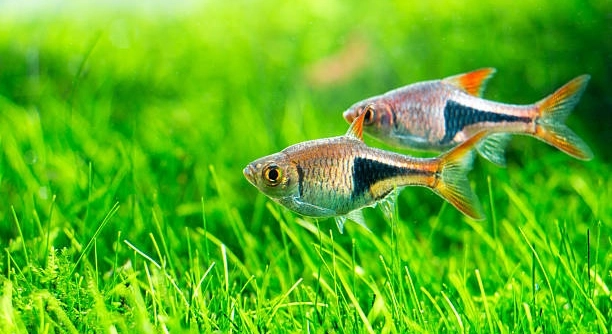
Rasboras are small, active fish that enjoy exploring their environment. Their natural curiosity leads them to interact with various features inside their tanks. Understanding these preferences can help create a better home for them.
Rasboras are attracted to tank features such as dense plants, hiding spots, open swimming areas, gentle water flow, smooth substrates, floating leaves, and dim lighting. These elements encourage their natural behaviors and promote comfort in their habitat.
Knowing which tank features Rasboras prefer will help you design an environment that supports their well-being and keeps them happily engaged.
Dense Plants for Hiding and Exploration
Rasboras love dense plants in their tanks because these provide shelter and places to explore. Plants like Java moss, Anubias, and Cryptocoryne offer hiding spots that help Rasboras feel secure. When they have plants to swim through and around, they show more natural behaviors. Plants also improve water quality by absorbing nitrates and creating oxygen. The mix of greenery and open space encourages movement without making the tank feel crowded. Adding a variety of plant heights can create layers for Rasboras to explore, swim beneath, and rest among. It’s important to choose plants that are easy to maintain, as Rasboras prefer calm environments with stable water conditions. Regular trimming helps keep plants healthy and prevents overgrowth that can block swimming paths. Creating a balanced planted area supports Rasboras both physically and mentally, making them more active and less stressed.
Dense plants give Rasboras places to hide, explore, and feel safe while improving the tank’s water quality naturally.
Adding well-maintained dense plants creates a natural habitat for Rasboras, promoting their activity and security. A mix of low and tall plants ensures they have varied areas for resting and exploring without feeling trapped. This helps them thrive and display more of their natural, lively behavior.
Hiding Spots and Structures
Rasboras enjoy having hiding spots created by driftwood, rocks, or decorations. These structures provide shelter and break up open spaces, giving the fish places to retreat when they feel threatened or need rest. Hiding spots help reduce stress and promote confidence. Make sure the materials used are safe for aquariums and free of sharp edges. Arranging these items to create caves or tunnels offers extra interest for Rasboras to explore. Proper placement of hiding spots also allows them to feel secure while still being able to observe their surroundings. It’s important to leave enough open swimming space around these structures, as Rasboras are active swimmers. Changing or rearranging these structures occasionally can keep the environment stimulating without causing too much disruption to the fish.
Hiding spots made from safe materials provide security and reduce stress in Rasboras.
Structures like driftwood and rocks, arranged thoughtfully, offer essential shelter and enrichment. These spots encourage natural behaviors, reduce stress, and enhance the tank’s complexity, keeping Rasboras engaged and comfortable in their space.
Open Swimming Areas
Rasboras need open swimming areas to move freely and stay active. These spaces give them room to school and explore without feeling cramped.
Open areas are essential for Rasboras because they are naturally active swimmers. Providing enough space in the tank allows them to swim in groups, which reduces stress and encourages healthy behavior. Open water zones also help balance the tank environment, preventing overcrowding among plants and decorations. Without sufficient swimming space, Rasboras can become timid or stressed, which affects their overall health. Keeping a clear central area or spots free from dense decorations helps maintain this balance.
Balancing open swimming areas with plants and hiding spots creates a comfortable habitat. It ensures Rasboras remain active, healthy, and engaged with their environment, promoting their natural schooling behavior and well-being.
Gentle Water Flow
Rasboras prefer gentle water flow that mimics their natural streams. Strong currents can cause stress or exhaustion.
Maintaining a gentle water flow is important for Rasboras because it replicates the calm rivers and streams where they come from. Gentle currents encourage natural swimming patterns without overwhelming the fish. Filters and pumps should be adjusted or placed to reduce strong currents. This also helps in distributing oxygen evenly throughout the tank, which supports fish health. Avoid positioning powerheads directly where Rasboras swim to keep the environment comfortable. A steady, mild flow allows the fish to explore and feed easily without struggling against the current.
Gentle water flow supports Rasboras’ comfort by providing a natural environment that helps reduce stress and promote healthy activity. It’s a simple adjustment that improves tank conditions significantly.
Smooth Substrates
Rasboras prefer smooth substrates like fine sand or small, rounded gravel. Rough or sharp substrates can harm their delicate fins and bodies.
A smooth substrate helps create a safe environment where Rasboras can swim close to the bottom without injury. It also makes cleaning easier and supports beneficial bacteria growth, which improves water quality and fish health.
Floating Leaves
Floating leaves provide shade and reduce bright light, which Rasboras find comforting. These leaves also create hiding spots near the surface.
Dim Lighting
Rasboras thrive in dim lighting that mimics shaded waters. Bright lights can stress them, so softer, low-intensity lighting is best for their comfort and natural behavior.
FAQ
What tank size is best for Rasboras?
Rasboras are small but active fish that do best in tanks of at least 10 gallons. Larger tanks provide enough swimming space for groups, which helps reduce stress and encourages natural schooling behavior. A bigger tank also makes it easier to maintain water quality.
How many Rasboras should I keep together?
Rasboras are schooling fish and should be kept in groups of at least six. Smaller groups can make them shy and stressed. Larger groups help them feel secure and display their natural, lively behavior.
What water conditions do Rasboras prefer?
Rasboras thrive in clean, well-filtered water with a temperature between 72°F and 79°F. The pH should be slightly acidic to neutral, around 6.0 to 7.5. Regular water changes help keep the environment stable and healthy.
Do Rasboras need special food?
Rasboras are not picky eaters and will accept high-quality flake food, micro pellets, and frozen or live foods like brine shrimp or daphnia. A varied diet helps them stay healthy and vibrant.
Can Rasboras live with other fish?
Yes, Rasboras are peaceful and can live with other small, non-aggressive fish. Avoid larger or aggressive species that may stress or harm them. Good tank mates include tetras, small rasboras, and peaceful bottom dwellers.
How often should I clean the tank?
Partial water changes of 20-30% once a week are ideal. This keeps nitrate levels low and water fresh without disturbing the fish too much. Cleaning filters regularly is also important to maintain water quality.
Why do Rasboras hide a lot?
Hiding behavior can be normal, especially when new to a tank. However, excessive hiding might indicate stress, poor water quality, or unsuitable tank conditions. Checking water parameters and ensuring enough hiding spots can help.
How can I tell if my Rasboras are healthy?
Healthy Rasboras are active, swim in groups, and show bright colors. Look for clear eyes and intact fins. Lethargy, faded colors, or unusual spots could signal illness or stress.
Are floating plants necessary for Rasboras?
Floating plants help reduce bright light and provide cover near the surface, which Rasboras appreciate. They also improve water quality by absorbing excess nutrients. While not absolutely necessary, they do contribute to a more natural and comfortable tank environment.
What is the best way to introduce new Rasboras to the tank?
Acclimate new fish slowly by floating their bag in the tank to equalize temperature. Gradually mix tank water into the bag over 20-30 minutes before releasing them. This helps reduce stress and prevents shock from sudden changes.
How do I encourage Rasboras to breed?
To encourage breeding, provide plenty of plants and hiding spots. Slightly cooler water and frequent water changes can stimulate spawning. Feeding high-quality live or frozen foods improves health and breeding readiness. Separate adults from fry to protect young fish.
What signs indicate water quality problems?
Signs include gasping at the surface, clamped fins, lethargy, or unusual behavior. Testing water regularly for ammonia, nitrites, nitrates, and pH helps catch issues early. Proper filtration and regular maintenance are key to prevention.
Can Rasboras live without plants?
While they can survive without plants, Rasboras feel safer and behave more naturally with plants. Plants provide shelter, improve water quality, and reduce stress, supporting their overall well-being.
Rasboras are lively and curious fish that benefit greatly from a well-thought-out tank environment. Providing them with features like dense plants, hiding spots, open swimming areas, and gentle water flow helps support their natural behaviors and comfort. Each element plays an important role in making the tank feel like a safe and stimulating space for them. When these features are combined properly, they encourage activity, reduce stress, and improve overall health. It is clear that attention to the details of the tank setup can make a significant difference in how happy and active Rasboras remain.
It is important to remember that Rasboras are social fish that thrive in groups and require a balance of space and shelter. Dense plants and floating leaves give them hiding places and shade, which reduce stress and make them feel secure. At the same time, open swimming areas provide the room they need to swim freely and display natural schooling behavior. Smooth substrates and dim lighting also add to the tank’s comfort by creating a gentle and safe environment. Water flow should be mild, resembling their natural habitats, to avoid causing them unnecessary stress. These elements together create an environment that closely mimics the conditions Rasboras experience in the wild.
Maintaining a healthy tank environment goes beyond just placing decorations and plants. Regular water changes, proper filtration, and monitoring water parameters are essential to keep Rasboras healthy and active. It’s also important to avoid overcrowding and provide a balanced diet to support their well-being. Understanding the tank features that Rasboras love to explore can help any fish keeper create a more suitable home for them. By paying attention to these key factors, you can ensure that Rasboras will thrive and bring lively movement and color to your aquarium.

Hello,
If you enjoy the content that we create, please consider saying a "Thank You!" by leaving a tip.
Every little bit helps us continue crafting quality advice that supports the health, happiness, and well-being of pets around the world, for pets of all shapes, sizes, and species.
We really appreciate the kindness and support that you show us!