
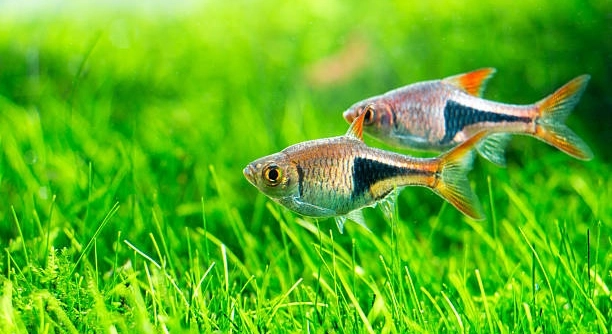
Rasboras are small, peaceful fish that often gather in groups in home aquariums. Many aquarists notice that these fish sometimes pile on top of each other, which can seem unusual or worrying. Understanding this behavior helps improve their care and well-being.
Rasboras pile on one another mainly due to social and environmental factors such as seeking safety, establishing dominance, or responding to overcrowding and stress. This behavior is a natural response to their surroundings and group dynamics.
Learning about why rasboras act this way can help you create a better environment for them. It also guides you in recognizing when their behavior signals something important for their health.
Why Rasboras Pile Up
Rasboras often pile on one another as a natural way to feel safe and secure. In the wild, they swim in schools to protect themselves from predators. When kept in aquariums, this behavior can continue even without real threats around. They might group tightly during times of stress or if the tank feels crowded. Sometimes, the fish are just trying to stay warm or rest, using each other for support. Overlapping can also happen if the tank’s environment isn’t ideal, such as poor water quality or lack of hiding spots. When their space feels limited, rasboras cling together more tightly. Observing this can help you understand what your fish need, so you can adjust their habitat to keep them calm and healthy.
Piling happens because rasboras are schooling fish. They instinctively stick close to each other for comfort and protection.
If your rasboras are piling up, check the tank conditions carefully. Adequate space, clean water, and enough plants or decorations can reduce their stress. This simple adjustment often stops excessive piling and lets them spread out naturally. Creating a comfortable environment helps your fish thrive and act more like they do in nature. Watching them move freely and happily is a good sign that their needs are met.
Signs of Stress in Rasboras
Rasboras pile up more often when they feel stressed. Stress signs include rapid breathing, hiding more than usual, and loss of appetite. These are clues that their environment needs attention.
Poor water quality is a common cause of stress. High ammonia, nitrite, or nitrate levels harm fish and make them feel unsafe. Inadequate oxygen or incorrect temperature also adds to discomfort. Stress from overcrowding or sudden changes in the tank can make rasboras cling to each other. Identifying these issues quickly helps prevent health problems. Regular water testing and tank maintenance are essential to keep your fish calm and active.
Sometimes, stress comes from lack of hiding spots. Rasboras feel vulnerable without enough plants or decorations. Adding these provides shelter and reduces anxiety. Creating a peaceful environment lowers stress and encourages natural behavior, including swimming freely rather than piling up.
Tank Setup and Space Needs
Rasboras need enough space to swim comfortably. A crowded tank leads to piling and increased stress, so aim for a minimum of 10 gallons for a small group. Larger groups require even more room.
Providing plants and decorations helps create hiding spots and breaks up open areas. This makes the fish feel secure and less likely to group tightly. Clean, well-filtered water is equally important for their health. Make sure the tank has a gentle current, as strong water flow can cause stress. Proper lighting also matters; too bright or too dark can upset the fish. Keeping these factors in balance encourages your rasboras to behave naturally and reduces piling behavior.
Social Behavior of Rasboras
Rasboras are naturally social fish that prefer to stay in groups. Their piling behavior can be a way to bond and stay connected with each other.
This closeness also helps them feel safer and reduces anxiety. Being in a group is important for their well-being.
How Temperature Affects Rasbora Behavior
Temperature plays a key role in how active and comfortable rasboras feel. If the water is too cold or too warm, it can make them sluggish or stressed. Ideal temperatures between 72°F and 79°F support normal behavior and help prevent piling. When the temperature fluctuates, their metabolism changes, causing them to seek comfort in groups. Stable temperature helps maintain their health and natural movement.
Feeding and Piling
Overfeeding or inconsistent feeding schedules may cause stress, contributing to piling behavior.
Why do my rasboras keep piling on each other?
Rasboras pile up mainly because they are schooling fish that rely on close contact for safety and comfort. When they feel stressed, overcrowded, or unsafe, they cling together more tightly than usual. Changes in water quality, temperature, or tank setup can trigger this behavior as well. It’s their natural way to cope with discomfort or uncertainty in their environment.
Is piling a sign of illness or injury?
Not always. While piling can sometimes indicate stress or poor conditions that might lead to illness, it is not directly a symptom of sickness or injury. However, if piling is paired with other signs like lethargy, loss of appetite, or visible wounds, it’s best to check water quality and consult a vet or aquarium specialist.
Can overcrowding cause piling?
Yes, overcrowding is a common reason for piling. When the tank is too small for the number of fish, rasboras feel cramped and group tightly to find comfort. Providing enough space and reducing fish numbers can help them spread out and behave more naturally.
How can I reduce piling behavior in my tank?
To reduce piling, make sure your tank is large enough, water conditions are ideal, and there are plenty of plants or decorations for hiding. Keep the water temperature stable and feed them consistently. Regular tank maintenance, such as water changes and filter cleaning, also reduces stress and piling.
Are certain species of rasboras more prone to piling?
Some species, like the Harlequin Rasbora, are very social and tend to stick closely together. Others may be less tight in their groups but still show piling if stressed. Knowing the specific needs of your rasbora species helps create the right environment and reduce excessive piling.
Does lighting affect piling in rasboras?
Yes, lighting can influence behavior. Too bright or flickering lights can stress rasboras, causing them to group tightly for protection. Providing gentle, consistent lighting with natural day-night cycles helps keep them calm and less likely to pile.
What role do plants and decorations play in piling?
Plants and decorations create safe spaces and reduce open areas where fish might feel exposed. This helps rasboras feel more secure and reduces the need to cling to each other. Adding live plants or smooth decorations encourages natural exploration and less piling.
How often should I test my tank water to prevent piling?
It’s best to test your tank water weekly for ammonia, nitrite, nitrate, and pH levels. Keeping these in safe ranges prevents stress and health issues that cause piling. Consistent monitoring helps catch problems early and keeps your fish comfortable.
Can sudden changes in the tank environment cause piling?
Yes, sudden changes like new tank mates, water parameter shifts, or rearranging decorations can stress rasboras. This often leads to piling as they seek comfort. Introducing changes gradually and maintaining stable conditions helps reduce this behavior.
Is piling during nighttime normal?
Rasboras may pile more tightly at night as they rest, similar to sleeping in a group for warmth and safety. This behavior is normal if they spread out during the day and show no other stress signs.
Does feeding influence piling?
Inconsistent or insufficient feeding can increase stress, causing rasboras to pile. Providing small, regular meals ensures they feel secure and less likely to crowd together. Overfeeding, however, can harm water quality, so balance is important.
Can piling cause harm to rasboras?
Usually, piling doesn’t harm rasboras unless it is extreme and prolonged. Constant pressure can stress weaker fish and sometimes cause injuries. Watching your fish closely and improving their environment helps prevent problems linked to piling.
Should I separate piling rasboras?
Separating fish is rarely necessary. Instead, focus on improving tank conditions like space, water quality, and hiding spots. Healthy environments naturally reduce piling and support normal social behavior.
How many rasboras should be kept together to prevent stress?
A group of at least six rasboras is recommended to keep them comfortable. Smaller groups may become stressed and pile excessively. Larger groups need bigger tanks to avoid overcrowding.
What water parameters are ideal for rasboras?
Rasboras prefer slightly acidic to neutral water (pH 6.0–7.5), temperature between 72°F and 79°F, and low levels of ammonia and nitrites. Stable parameters reduce stress and piling.
Can piling indicate breeding behavior?
In some cases, rasboras may pile during spawning as males and females come close together. This behavior is usually brief and paired with other signs like chasing or color changes.
How long does piling behavior usually last?
Piling can last from a few minutes to several hours depending on the cause. Temporary piling due to stress or rest is normal, but constant piling signals environmental issues that need fixing.
Does tank size affect piling?
Tank size greatly affects piling. Small tanks limit swimming space, making fish bunch up. Bigger tanks with proper stocking levels allow rasboras to spread out naturally.
What plants work best to help reduce piling?
Soft, leafy plants like Java fern, Anubias, and Amazon sword provide good cover. Floating plants also create shaded areas that make rasboras feel safer and reduce piling.
Is piling more common in newly established tanks?
Yes, new tanks often have unstable water parameters that stress fish. Piling may occur until the tank cycles fully and conditions stabilize.
How does water flow impact piling?
Strong water currents can stress rasboras, causing them to seek refuge in groups. Gentle water flow is best for their comfort and natural behavior.
Are there any signs that piling is becoming dangerous?
Signs include fish struggling to breathe, visible injuries, or a fish being trapped under others. Immediate action to improve conditions is necessary if these occur.
Can I use medications to stop piling?
Medications usually don’t address piling directly and should only be used if a disease is diagnosed. Focus first on improving tank conditions to reduce stress.
Do rasboras need companions to avoid piling?
Rasboras do best in groups of their own kind. Mixing with aggressive fish can increase stress and piling. Keeping a peaceful community tank supports healthy social behavior.
Rasboras are small, social fish that often show piling behavior as part of their natural instincts. This behavior can seem strange or worrying at first, but it usually happens because they feel safer when close together. Understanding why rasboras pile up helps to see that this is often a normal way for them to stay connected and protected. Their behavior is linked to how they live in the wild, where swimming in groups keeps them safe from predators. In an aquarium, the same instinct continues, even if there is no real danger around.
While piling is often natural, it can also point to stress or problems in the tank. Factors like overcrowding, poor water quality, or sudden changes can make rasboras feel unsafe, causing them to stick tightly together. Stress can harm their health, so it is important to watch for other signs like slow movement, hiding, or lack of appetite. Simple care steps such as testing water regularly, keeping the tank clean, and providing enough space and plants can help reduce stress. When the environment is comfortable, rasboras are more relaxed and less likely to pile too much. Paying attention to these details is the best way to keep them healthy and happy.
Creating the right home for your rasboras takes some effort but is rewarding. A tank with stable temperature, clean water, enough swimming space, and places to hide encourages natural behavior and reduces piling caused by discomfort. Keeping a group of six or more rasboras also helps because they feel safer in numbers. The more you understand their needs and watch their behavior, the easier it becomes to provide what they want. In the end, piling is just one piece of how rasboras express themselves. With good care, they will thrive and show more of their natural, peaceful swimming rather than crowding together.

Hello,
If you enjoy the content that we create, please consider saying a "Thank You!" by leaving a tip.
Every little bit helps us continue crafting quality advice that supports the health, happiness, and well-being of pets around the world, for pets of all shapes, sizes, and species.
We really appreciate the kindness and support that you show us!