
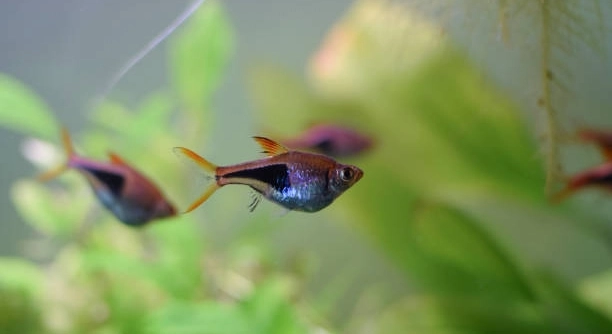
Do your rasboras often gather near the aquarium heater, even when the rest of the tank seems comfortable and balanced?
Rasboras may linger by the heater due to a need for slightly warmer water, often caused by temperature fluctuations, illness, or suboptimal tank conditions. Their behavior typically signals discomfort or a preference for consistent warmth.
Understanding what causes this behavior can help you make simple changes to improve your rasboras’ well-being and create a more stable aquarium environment.
Why Temperature Matters to Rasboras
Rasboras are sensitive to water temperature, and even small changes can affect how they feel and behave. They naturally prefer stable conditions, with water temperatures between 72°F and 82°F. If the surrounding water drops slightly, they may gather near the heater, searching for warmth. This behavior isn’t always a major concern, but it does suggest that something in the tank might be off. Temperature inconsistency can lead to stress or even illness. Sometimes, the tank’s heater may be too small or not working evenly. Other times, the room’s temperature can drop at night, affecting the overall water balance. Checking the thermometer regularly and using a reliable heater can help. Also, make sure your tank isn’t placed near windows or vents, as drafts can cool the water unexpectedly. Keeping the temperature consistent and within range will make your rasboras feel more comfortable and active throughout the day.
Rasboras often move to warmer spots if they’re feeling cold or unwell. It’s their way of finding comfort.
Their behavior might also reflect how they respond to changes in lighting, filters, or even new tankmates. Stress can push them to seek out calm, warmer areas. If your rasboras are sticking close to the heater often, start by checking if the room temperature is dropping at certain times. Also, take note of how your other fish are acting. If only the rasboras are showing signs of discomfort, there might be something in their care or environment that needs attention. Some rasboras are just more sensitive than others. Either way, staying on top of tank conditions and knowing how your fish usually behave makes it easier to notice when something isn’t right.
Other Causes Behind the Behavior
Some rasboras are more sensitive to changes than others, especially if they’ve recently been moved or introduced into a new tank.
In some cases, rasboras staying near the heater could mean they are sick or stressed. When fish are unwell, they tend to look for a spot that makes them feel safe and calm. Warmth can be soothing for them, especially if they’re fighting off something mild like an internal infection or stress from a recent change. Keep an eye out for other signs, like clamped fins, changes in color, or reduced appetite. These small clues can help you catch problems early. Water quality is also important. Ammonia or nitrate levels, even when slightly high, can cause discomfort. Make sure to test the water regularly and do partial water changes. When everything is stable, rasboras usually stay active and explore the tank more freely. But when they’re off, they’ll often retreat to familiar, warm spots—like near the heater.
Common Mistakes to Watch For
Inconsistent room temperatures can make the water cool down more than expected, especially at night. Drafts, open windows, or poor insulation near the tank can all cause small drops that rasboras quickly react to.
Using a heater that’s too weak for the size of your tank can lead to uneven warmth. Some heaters only warm the area directly around them, causing the rest of the tank to feel cooler. This often makes rasboras cluster near the heat source. Also, placing the heater in a poor spot—like near a filter outlet or too high in the tank—can reduce its effectiveness. It’s important to place the heater horizontally near the tank’s bottom or at an angle for better heat distribution. Check your thermometer’s placement, too. If it’s far from the heater, it may not reflect the tank’s true average temperature. All of these details can affect your rasboras’ comfort.
Skipping regular water checks is another mistake that can lead to stress in rasboras. If ammonia or nitrite levels are even slightly off, it may not harm hardier fish, but rasboras will show it right away—often by hiding or hovering by the heater. Poor water circulation can also create warm and cool zones in the tank. If your filter isn’t strong enough or the water doesn’t move evenly, rasboras may gather in the warmer area simply because it’s more comfortable. Overcrowding or incompatible tankmates can also cause stress, which pushes rasboras to isolate themselves near the heater. Watching for these patterns and keeping up with routine maintenance helps keep things balanced. It’s small adjustments that usually make the biggest difference in their behavior and health.
Signs Your Rasbora Might Be Uncomfortable
Clamped fins, dull color, or a lack of movement are often early signs something isn’t right. If your rasbora is hovering in one spot near the heater and avoiding others, it could be reacting to stress.
Loss of appetite and hiding for long periods are also signs of discomfort. These changes usually appear gradually, so it helps to check on them daily.
What You Can Do Right Away
Start by checking the water temperature in different areas of the tank. Use two thermometers if needed to compare. Make sure your heater is powerful enough for the tank’s size and placed in a spot that allows the heat to spread evenly. Then test the water for ammonia, nitrites, and pH levels. If anything looks off, do a partial water change. Turn off nearby fans or move the tank away from windows to prevent sudden drops in temperature. Also, observe how your other fish are acting—if they’re all behaving normally, the issue may be specific to the rasboras.
When to Ask for Help
If your rasbora keeps acting the same even after adjusting the tank and water, it may be time to ask a vet or aquarium expert.
FAQ
Why do rasboras stay near the heater even when the water seems fine?
Even if the water seems fine based on one thermometer reading, there might still be slight differences in temperature throughout the tank. Rasboras are sensitive to even small fluctuations. If the water near the heater feels more consistent or a bit warmer, they may choose to stay there. This behavior can also signal underlying stress or the early stages of illness. Sometimes, it’s their way of coping with something that feels off in the tank—like changes in water parameters, subtle aggression from tankmates, or even recent moves or rearrangements.
Can stress alone cause rasboras to behave this way?
Yes. Rasboras react quickly to stress, and staying near the heater can be a sign that something is making them uncomfortable. That could be poor water quality, sudden lighting changes, too much noise, or overcrowding. Even a fish added recently to the tank can shift dynamics and lead to stress. Rasboras may withdraw and find one place—like the warm spot near the heater—that feels more stable. Stress weakens their immune system, too, so it’s always worth looking into and not brushing it off as just a habit.
Should I move the heater if my rasboras won’t leave it alone?
Moving the heater might help in some cases, especially if it’s placed in a corner or isn’t spreading heat well. Try placing it closer to the center of the tank or at a lower angle so the heat circulates better. However, that alone won’t solve the issue if something else is wrong. It’s best to review tank conditions as a whole—water parameters, heater size, flow from the filter, and even the behavior of other fish—before deciding to reposition anything.
How often should I check water temperature and quality?
It’s a good idea to check the water temperature daily, especially during colder months or if your home has fluctuating room temperatures. Use a reliable digital or stick-on thermometer. For water quality, test weekly for ammonia, nitrites, nitrates, and pH. If your tank has been stable and you’ve had no recent issues, you might stretch that out to every two weeks. But if your rasboras are showing strange behavior or sticking to the heater, test immediately. Water quality can change quickly, especially in smaller tanks.
Could lighting affect their behavior near the heater?
Yes, lighting can influence where rasboras feel safe. If the tank has bright lights and the heater is in a shaded corner, the rasboras might just be seeking a dimmer spot. Combine that with a slightly warmer temperature, and it makes sense why they stay there. It doesn’t always mean something is wrong, but it’s worth observing closely. Try adjusting the lighting gradually to see if it changes their behavior. Dimming the light slightly or adding floating plants can sometimes help them feel more comfortable in other areas.
Is it normal for only one rasbora to behave this way?
It’s not unusual for one fish to act differently, especially if it’s older, weaker, or just naturally more timid. If just one rasbora is staying near the heater and the others are active, the issue could be specific to that fish. Watch for signs of illness—like faded colors, labored breathing, or loss of appetite. If the behavior continues for more than a day or two, separate it for closer observation or talk to an aquatic vet. It’s better to be safe, as early intervention can make recovery easier.
Can I use multiple heaters to fix uneven temperatures?
Yes, using two smaller heaters instead of one large one can help distribute warmth more evenly across the tank. Place them on opposite sides, and make sure they’re both set to the same temperature. This helps avoid cold or hot spots, which are common causes of fish gathering in one area. Just be sure to monitor both heaters regularly to ensure they’re working properly and not creating sudden spikes. This method works especially well in larger tanks or in rooms that don’t hold a steady temperature.
Is this behavior more common in certain rasbora types?
Yes, some species like chili rasboras or lambchop rasboras are a bit more sensitive than others. Their smaller size and delicate nature make them more likely to react to temperature changes or shifts in water quality. These rasboras are also known for their shy personalities, so it’s not unusual for them to seek out quiet, warm corners of the tank. That said, even more active rasboras can start showing this behavior if something feels off. Regardless of the species, keeping tank conditions stable benefits them all.
How long should I wait before taking further action?
If your rasboras stick to the heater for more than a day, start checking things right away. Test the water, confirm the heater’s accuracy, and observe the whole tank. If the behavior continues for two or more days without improvement—even after small adjustments—it’s best to take further steps. This might mean adjusting heater placement, improving water flow, separating a stressed fish, or reaching out to a vet. Acting sooner can prevent bigger issues from developing. Rasboras are small, but they’re good at letting you know when something’s wrong.
Final Thoughts
Rasboras are peaceful, active fish that enjoy stable and comfortable environments. When they start spending too much time near the heater, it usually means something in the tank isn’t right. It might be the water temperature, poor circulation, or even stress from another fish. While it’s not always an emergency, it’s a signal to check things more closely. These small changes in behavior are often the first signs of a bigger issue. Taking a few minutes each day to observe your rasboras can help you notice these changes early and take simple steps before things get worse.
Consistency is key when it comes to keeping rasboras healthy. They thrive in tanks with steady temperatures, clean water, and calm surroundings. Sudden changes—even small ones—can make them uncomfortable. That’s why it’s so important to keep up with regular maintenance, test the water often, and make sure equipment like your heater and filter are working as they should. Choosing a good spot for the tank, away from windows and vents, can also help avoid sudden temperature drops. Adding floating plants or decorations can give them extra shelter, which can reduce stress and help them feel more secure.
In the end, your rasboras are good at telling you how they feel—just not with words. Watching where they swim, how they eat, and whether they’re active can give you important clues. If they spend all their time near the heater, it’s worth paying attention. Maybe they’re just cold, or maybe something deeper is bothering them. Either way, staying aware and making small improvements can go a long way. Rasboras are sensitive but also rewarding to care for. With just a little attention and patience, you can keep them healthy, happy, and moving freely around the tank.

Hello,
If you enjoy the content that we create, please consider saying a "Thank You!" by leaving a tip.
Every little bit helps us continue crafting quality advice that supports the health, happiness, and well-being of pets around the world, for pets of all shapes, sizes, and species.
We really appreciate the kindness and support that you show us!