
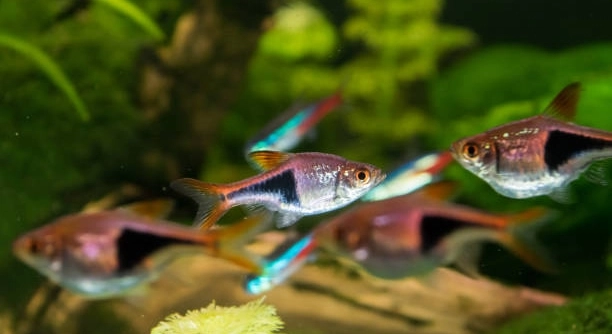
Tank rearranging can be a common activity for aquarium enthusiasts aiming to improve their setup or fish environment. Changing the layout can affect the tank’s ecosystem in various ways. Understanding the expected reactions helps manage the process smoothly.
When rearranging a tank, fish and aquatic life may show stress, altered behavior, and changes in water quality. These reactions stem from disruption of established territories, changes in hiding spots, and disturbance of beneficial bacteria colonies essential for a balanced ecosystem.
Knowing what to expect during tank rearranging can help maintain the health of your aquatic pets. The following insights provide useful guidance for handling these common reactions effectively.
Signs of Stress in Fish
When you rearrange a tank, fish often react noticeably. They may hide more than usual, swim erratically, or become less active. Some fish might even refuse to eat temporarily. These behaviors occur because their environment has changed suddenly. Fish rely on familiar landmarks to feel secure. Moving decorations or plants disrupts their sense of territory and safety. This stress response can last for a few hours or days. It is important to observe your fish closely during this time. Keeping the water stable and avoiding further disturbances helps them adjust faster. In some cases, adding gentle aeration or dimming the lights can reduce stress. Avoid handling the fish or changing water parameters immediately after rearranging, as this adds extra pressure. A calm and consistent environment encourages fish to settle back into their new layout.
Stress in fish shows mainly as hiding, erratic swimming, or loss of appetite. Patience is key to their recovery.
Monitoring fish behavior after tank rearrangement allows you to spot ongoing issues. If stress persists beyond a week, check water quality and tank conditions carefully. Sometimes, stress can cause illness or lower immunity. Provide hiding spots and maintain a stable environment to support their well-being. Gradual changes in future rearrangements can help minimize these reactions.
Impact on Beneficial Bacteria
Rearranging a tank disturbs the surfaces where beneficial bacteria grow. These bacteria are crucial for breaking down fish waste and keeping water safe. When decorations or substrate are moved, bacteria colonies may be displaced or damaged. This can lead to spikes in harmful ammonia and nitrites. Such changes can stress fish and affect their health. To avoid this, avoid cleaning filter media or substrate too thoroughly during rearranging. Keeping parts of the original layout intact preserves bacterial populations. Testing water parameters frequently after rearranging helps detect any imbalances early. Using biological supplements may assist in reestablishing bacteria colonies faster. Careful handling and allowing time for bacteria to recover keeps the tank environment stable and safe for fish.
Proper care during and after tank rearrangement supports bacteria health. This protects water quality and fish well-being over time.
Changes in Water Chemistry
Moving substrate or decorations can stir up debris and cause temporary water cloudiness. This disturbs the tank’s chemical balance, affecting ammonia, nitrite, and nitrate levels. These fluctuations can harm fish if left unmanaged.
Testing water regularly after rearranging helps track changes. Performing partial water changes when necessary reduces harmful substances and keeps conditions stable. Avoid overfeeding during this period to prevent excess waste. Using a water conditioner can neutralize toxins and support aquatic life. Maintaining proper filtration and aeration is essential to help the tank recover quickly. Patience during this phase is important to avoid unnecessary stress on fish.
If water quality is not monitored, chemical imbalances may cause long-term issues. Prompt action keeps fish healthy and ensures a safe environment while the tank stabilizes.
Altered Fish Hierarchy and Territory
Fish establish territories and social hierarchies that rely on their tank’s layout. Rearranging disrupts these established zones, causing shifts in dominance and behavior. Aggression may increase as fish reestablish their place.
Some species become more territorial when hiding places move or disappear. Others may temporarily isolate themselves until new boundaries form. It is common to see chasing or displays of dominance during this period. Providing ample shelters and visual barriers helps reduce conflicts. Watching fish behavior closely allows early intervention if aggression worsens. In some cases, separating aggressive fish temporarily may be necessary to protect others. Understanding species-specific needs and behaviors can ease transitions. Changes in social dynamics often settle down as fish adapt to their new environment.
Adjusting the tank carefully and providing enough space reduces tension and helps fish regain balance.
Temporary Cloudiness
Rearranging substrate or decorations often causes the water to become cloudy. This happens when particles are stirred up and remain suspended in the water.
The cloudiness usually clears on its own within a day or two. Running the filter continuously helps speed up this process and restore water clarity.
Fish Exploration and Adaptation
After rearranging, fish will explore their new environment. This behavior is essential as they learn new hiding spots and adjust to altered territories. Exploration can lead to increased activity and curiosity, which is a good sign of adaptation. Over time, fish become comfortable with the changes and settle back into regular routines.
Plant Disturbance
Moving plants can cause them to shed leaves or become uprooted. This is common when rearranging but should be managed carefully to avoid damage.
FAQ
How long does it take for fish to calm down after rearranging a tank?
Fish usually start to calm down within a few hours to a couple of days after rearranging. The adjustment period depends on the species and the extent of changes made. Some sensitive fish might take up to a week to fully settle into the new environment.
What can I do to reduce fish stress during tank rearranging?
Minimize handling of fish during and after rearranging. Keep the water parameters stable and avoid sudden changes like water temperature or chemistry shifts. Adding gentle aeration and dimming the lights helps create a calmer atmosphere. Providing plenty of hiding places also makes fish feel safer.
Is it normal for the water to become cloudy after rearranging?
Yes, stirring up substrate or decorations often releases fine particles, causing cloudiness. This usually clears within a day or two with proper filtration. Running the filter continuously and avoiding overfeeding helps speed up the process.
Can rearranging cause ammonia or nitrite spikes?
Yes, moving substrate or decorations can disturb beneficial bacteria colonies. This can lead to temporary spikes in ammonia and nitrites, which are harmful to fish. Frequent water testing and partial water changes help control these spikes and protect aquatic life.
Should I clean my filter when rearranging the tank?
Avoid cleaning or replacing all filter media during rearranging. Beneficial bacteria live in the filter, and over-cleaning can reduce their numbers, upsetting the tank’s biological balance. Rinse filter media gently in tank water if needed, but keep some of the original media intact.
How do fish territories change after rearranging?
Fish rely on familiar landmarks to establish territories. Rearranging changes these boundaries, causing fish to reestablish social hierarchies. Temporary aggression or chasing may occur as they adjust. Providing enough shelters and space can reduce conflicts during this time.
What should I do if fish aggression increases after rearranging?
Watch fish behavior closely. If aggression becomes severe, consider adding visual barriers or extra hiding spots. In extreme cases, separating aggressive individuals temporarily can protect other fish. Gradual tank changes in the future can help prevent strong territorial reactions.
Will plants survive being moved during tank rearranging?
Most plants handle being moved if done carefully. However, some leaves may shed or roots become disturbed. Replanting firmly and removing damaged leaves helps plants recover quickly. Using root tabs or fertilizer supports healthy regrowth.
Can I rearrange a tank with sensitive fish species?
Yes, but with extra caution. Sensitive fish need a stable environment and minimal disturbance. Make small changes gradually, monitor water quality closely, and avoid sudden temperature or chemical shifts. Providing ample hiding spaces reduces stress.
How often should I rearrange my tank?
There is no set rule. Frequent rearranging can stress fish and disrupt beneficial bacteria. It is best to rearrange only when necessary or to improve the tank environment. Allow enough time for recovery between changes to maintain a healthy aquarium.
What signs indicate a problem after rearranging?
Persistent hiding, loss of appetite, rapid breathing, or unusual swimming patterns may indicate stress or illness. Water quality issues like cloudy water or bad odor also signal problems. Test water parameters and observe fish regularly to catch issues early.
Can beneficial bacteria recover after rearranging?
Yes, bacteria colonies usually recover within days to weeks if the tank environment remains stable. Avoid over-cleaning and support recovery with biological supplements if needed. Maintaining proper filtration and avoiding chemical treatments helps bacteria thrive.
Is partial water changing important after rearranging?
Partial water changes help maintain water quality and reduce toxins released during disturbance. They should be done carefully, avoiding large or frequent changes that can stress fish. Testing water before and after changes ensures balance is maintained.
What should I do if water parameters spike after rearranging?
Test water regularly and perform partial water changes to reduce harmful substances. Use water conditioners to neutralize toxins if necessary. Check filtration is working efficiently and avoid adding new fish until parameters stabilize.
How can I make future rearrangements less stressful?
Plan changes carefully and keep some familiar elements in place. Rearrange slowly over time instead of making big changes at once. Monitor fish behavior and water quality closely. Provide plenty of hiding spots and maintain stable conditions to ease transitions.
Rearranging a tank can bring many changes to your aquatic environment. It is natural for fish and plants to react differently when their surroundings shift. While some changes may seem sudden or worrying at first, many are part of a normal adjustment process. Understanding what to expect helps in managing these reactions and ensuring your tank remains healthy. Keeping an eye on fish behavior, water quality, and plant condition after rearranging is important to catch any issues early. This attention allows you to take quick action if needed and helps your aquatic life settle in comfortably.
The impact on water chemistry and beneficial bacteria is a key factor in tank rearranging. Moving decorations and substrate disturbs the surfaces where bacteria grow, which can temporarily increase harmful substances like ammonia and nitrites. These changes can stress fish and harm plants if not managed carefully. Regular testing of water parameters and partial water changes support the recovery of the tank’s balance. Maintaining stable conditions and avoiding over-cleaning filter media help beneficial bacteria to rebuild. Over time, the tank ecosystem adjusts, and water quality returns to normal. Patience during this period is essential for the long-term health of your tank.
Fish behavior and social dynamics often change when the layout is altered. Fish may become more territorial or aggressive as they establish new boundaries. Hiding spots and visual barriers play a significant role in reducing stress and conflicts during this adjustment. Providing plenty of shelter and monitoring interactions can make a big difference. Some fish may take longer to adapt than others, so observing and responding to their needs is important. Rearranging a tank requires careful planning and ongoing care, but with proper management, your aquatic environment can thrive in its new setup.

Hello,
If you enjoy the content that we create, please consider saying a "Thank You!" by leaving a tip.
Every little bit helps us continue crafting quality advice that supports the health, happiness, and well-being of pets around the world, for pets of all shapes, sizes, and species.
We really appreciate the kindness and support that you show us!