
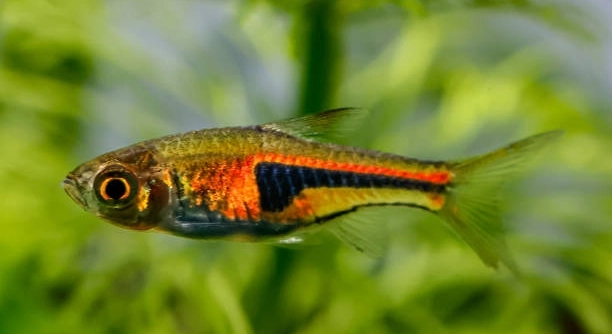
Many aquarists enjoy watching Rasboras and often wonder about their sleep patterns. Understanding what affects how deeply these fish rest can improve their care and wellbeing. Sleep depth in Rasboras is influenced by several environmental and biological factors.
Seven key factors contribute to deeper sleep in Rasboras: water temperature, tank lighting, oxygen levels, tank size, diet, stress levels, and the presence of hiding spots. These elements interact to create optimal conditions for restful and healthy sleep.
Exploring these factors will help ensure your Rasboras thrive in their environment and maintain healthy sleep habits.
Water Temperature and Its Effect on Sleep
Water temperature plays a crucial role in regulating Rasboras’ sleep patterns. These fish are tropical and thrive best in temperatures between 72°F and 78°F (22°C to 26°C). When the water is too cold, their metabolism slows down, causing lethargy and irregular sleep. Conversely, if the water is too warm, it can increase their activity, reducing the depth and quality of their rest. Maintaining a stable temperature helps Rasboras settle into a natural day-night rhythm. Temperature fluctuations stress the fish, making it difficult for them to sleep well. A consistent, moderate temperature creates an environment that supports deeper, more restful sleep. Using a reliable aquarium heater and thermometer can ensure this balance is maintained, providing your Rasboras with the conditions they need to rest properly.
Temperature directly impacts Rasbora sleep by controlling metabolic rate and activity level. Consistent warmth encourages healthy rest cycles.
Proper temperature regulation in the tank not only promotes sleep but also supports overall health. Rasboras rely on this balance to avoid stress-related illnesses. Sudden changes can disrupt their sleep and cause behavioral problems. Monitoring temperature daily and adjusting equipment as needed is a simple way to improve your fish’s wellbeing. Keeping water within the optimal range creates a calm and restful environment, allowing Rasboras to recharge effectively during their sleep periods.
Tank Lighting and Sleep Quality
Lighting affects Rasboras’ sleep cycles by signaling when it’s time to rest.
Appropriate lighting mimics natural day and night, which helps regulate their internal clocks. Too much light at night disturbs their sleep, while dim or no light allows deeper rest. Using timers to create consistent light schedules supports their natural rhythms, promoting healthy sleep habits.
Oxygen Levels and Sleep
Adequate oxygen is essential for Rasboras to sleep well. Low oxygen levels can cause restlessness and shallow sleep.
When oxygen levels drop, Rasboras become stressed and swim near the surface looking for air. This stress disrupts their sleep and overall health. Proper aeration through air stones or good water movement helps maintain oxygen levels. Regular water changes also prevent oxygen depletion by keeping the water clean. Ensuring the tank is well-oxygenated creates a calm environment where Rasboras can sleep deeply without interruptions.
Maintaining oxygen levels supports not just sleep but also metabolism and immune function. Rasboras in well-oxygenated tanks show more natural behavior and better growth. Oxygen affects all aspects of their wellbeing, so investing in good aeration is worth it. Keeping an eye on oxygen indicators can help you act before problems affect their sleep quality.
Tank Size and Sleep Depth
Tank size affects Rasboras’ comfort and sleep quality. Smaller tanks can increase stress, leading to poor rest.
A spacious tank allows Rasboras to swim freely and find quiet spots to rest. Overcrowding causes competition and stress, which disrupts sleep. Larger tanks dilute waste, improving water quality and reducing irritants. Clean, stable water conditions promote restful sleep. Providing enough space helps fish maintain natural behavior and healthier sleep patterns. Tank size plays a direct role in their comfort and ability to sleep deeply through the night.
Diet and Sleep Quality
A balanced diet helps Rasboras sleep well by providing necessary nutrients. Poor nutrition can lead to restlessness and weaker immune systems.
Feeding high-quality flakes, pellets, and occasional live foods supports their energy needs. Avoid overfeeding, which can cause digestive issues and stress, disturbing their rest. A varied diet promotes better sleep and overall health.
Stress Levels and Sleep
Stress negatively impacts how deeply Rasboras sleep. Factors like sudden changes, loud noises, or aggressive tankmates cause anxiety.
Keeping the tank environment calm and stable minimizes stress. Regular routines and peaceful companions help Rasboras relax and achieve deeper, more restorative sleep.
Hiding Spots and Sleep
Hiding places provide Rasboras with a sense of security, essential for peaceful sleep. Without adequate shelter, they may remain alert and unable to rest properly.
FAQ
How can I tell if my Rasbora is sleeping deeply?
Rasboras usually become still and less responsive during deep sleep. They may rest near plants or hiding spots and stay motionless for several minutes. Their breathing slows down, and their fins stop moving much. If your fish shows these signs regularly during the night, it is likely sleeping well.
What are common signs of poor sleep in Rasboras?
Restless swimming, constant hiding, or staying near the surface can indicate poor sleep. Stress behaviors such as darting or excessive activity at night suggest sleep disruption. If your Rasbora appears lethargic during the day or shows color fading, these can also be signs that it’s not resting enough.
Does feeding time affect Rasbora sleep?
Yes, feeding Rasboras too late in the day may keep them active longer and disrupt their natural sleep cycle. It’s best to feed them earlier in the day to allow time for digestion before they settle down for rest. A consistent feeding schedule also helps maintain their internal rhythm.
Can tank mates affect Rasbora sleep?
Yes, aggressive or overly active tank mates can stress Rasboras and reduce their sleep quality. It’s important to choose peaceful companions that won’t disturb their rest. Avoid keeping Rasboras with fish known for constant chasing or aggression.
How often should I check water conditions to support sleep?
Regular checks, ideally once a week, help maintain stable water parameters that support good sleep. Keep an eye on temperature, oxygen levels, pH, and ammonia. Sudden changes or poor water quality increase stress and disrupt sleep.
Is it necessary to have a dark period for Rasboras?
Yes, a regular dark period is crucial. Rasboras need a clear night cycle to rest deeply. Keeping the tank lights on or too bright during nighttime can confuse their internal clocks and prevent proper sleep.
Will adding plants improve Rasbora sleep?
Plants offer natural hiding places that reduce stress and encourage rest. They also help improve water quality by oxygenating and filtering the water. Both factors contribute to deeper sleep for Rasboras.
What should I do if my Rasbora isn’t sleeping well?
Start by reviewing tank conditions: temperature, lighting, and water quality. Make sure the tank is big enough and that there are sufficient hiding spots. Adjust feeding times and check for aggressive tank mates. Reducing stress through these changes often improves sleep.
Can changing the tank environment too often affect sleep?
Yes, frequent rearranging or adding new fish can increase stress and disturb sleep patterns. Rasboras prefer stable environments where they can establish routines. Make changes slowly and give the fish time to adapt.
Is it normal for Rasboras to sleep during the day?
Rasboras are generally more active during the day and rest at night, but they may take short naps during daylight, especially in dimmer areas. This behavior is normal as long as they stay active overall.
Do Rasboras need a specific type of substrate for better sleep?
While substrate doesn’t directly affect sleep, a natural-looking bottom like sand or fine gravel can reduce stress by creating a familiar environment. Stress reduction helps with better sleep indirectly.
How can I encourage deeper sleep in newly introduced Rasboras?
Provide plenty of hiding places and keep tank conditions stable. Limit disturbances and avoid sudden lighting or temperature changes. A calm environment helps them adjust and settle into a healthy sleep routine.
Can stress from handling affect sleep?
Yes, frequent handling or netting causes stress, which can disrupt sleep for days. Minimize handling and perform maintenance gently to avoid stressing your fish.
Are there any signs that Rasboras are sleeping too much?
If they appear inactive or lethargic for most of the day, it might indicate illness rather than healthy sleep. Monitor for other symptoms like loss of appetite or unusual behavior and consult a vet if concerned.
Does water flow impact Rasbora sleep?
Moderate water flow is beneficial because it helps oxygenate the water and simulates natural conditions. However, very strong currents can cause stress and make resting difficult. Balance water movement for comfort.
Understanding what helps Rasboras sleep deeper is important for their health and happiness. Many factors like water temperature, lighting, oxygen levels, tank size, diet, stress, and hiding spots all work together to affect how well these fish rest. Creating the right environment means paying attention to each of these areas. When these needs are met, Rasboras show calmer behavior, better colors, and improved overall health.
Keeping water temperature steady within the ideal range helps Rasboras maintain their natural rhythms. Proper lighting that simulates day and night supports their internal clocks and signals when it’s time to rest. Oxygen levels must be high enough to avoid stress and promote relaxation. Tank size is also key; a roomy tank reduces competition and allows space for quiet rest. Feeding a balanced diet at the right times prevents digestive issues and keeps energy levels steady.
Stress reduction is just as important. Avoiding aggressive tank mates, providing plenty of hiding spots, and keeping the tank environment stable all help Rasboras feel secure. Fish that feel safe can sleep deeply and recover from daily activity. Monitoring water quality and tank conditions regularly prevents problems that could disturb rest. By focusing on these factors, you can support your Rasboras in getting the restful sleep they need to thrive.

Hello,
If you enjoy the content that we create, please consider saying a "Thank You!" by leaving a tip.
Every little bit helps us continue crafting quality advice that supports the health, happiness, and well-being of pets around the world, for pets of all shapes, sizes, and species.
We really appreciate the kindness and support that you show us!