
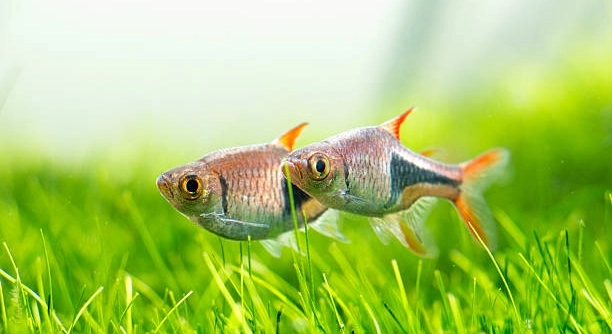
Have you ever noticed your rasbora swimming in a way that seems unusual or less lively than before? Many fish owners wonder if their tiny swimmers are feeling bored or restless in their tank. Knowing how to spot signs of boredom can help keep your rasbora happy and healthy.
Rasbora show signs of boredom through decreased activity, reduced schooling behavior, and repetitive swimming patterns. These behavioral changes indicate a lack of stimulation, which can impact their well-being if not addressed with environmental enrichment or social interaction.
Recognizing these signs early can improve your fish’s quality of life and help you create a more engaging environment for them.
Signs of Boredom in Rasbora
When rasbora become bored, they often show clear changes in behavior. You might notice they swim slower or spend more time hiding than usual. Their usual tight schooling may break down, and they could start swimming back and forth in a repetitive way along the tank’s edges. These repetitive movements mean they lack stimulation. Sometimes, they stop eating as enthusiastically or lose their bright colors. A tank that is too small, lacks plants, or doesn’t have enough fish can cause these changes. Observing your rasbora daily will help you spot these signs early before boredom leads to stress or illness.
Fish that are bored may also ignore new additions or tank rearrangements. They might even show signs of lethargy. This behavior is a strong indicator they need more activity or a better environment.
Adding decorations, plants, or even more rasbora can improve their mood. Changing the environment gradually helps them stay active and curious.
Creating an Engaging Environment
Rasbora thrive in environments that mimic their natural habitat. Adding live or artificial plants, smooth rocks, and places to explore keeps them interested. Make sure your tank is large enough for schooling behavior, ideally at least 20 gallons for a small group. Providing hiding spots and open swimming areas creates balance. Changing the tank layout occasionally encourages exploration but do it slowly to avoid stressing the fish.
A well-decorated tank with gentle water flow supports their natural behavior and reduces boredom. Careful attention to water quality and temperature also helps keep rasbora healthy and active. Watching them swim confidently around plants and through decorations is rewarding and shows they feel comfortable and stimulated in their space.
How Social Interaction Affects Rasbora Behavior
Rasbora are social fish that feel more secure and active in groups. Keeping fewer than six can lead to stress and boredom. They naturally school, so their behavior changes when isolated.
In small groups or alone, rasbora lose their schooling instinct. They may hide more or swim erratically. Without social stimulation, they show signs of lethargy and disinterest. Group interaction helps them stay active and alert, reducing boredom significantly. Adding enough companions encourages natural behavior and improves their well-being.
If adding more rasbora isn’t possible, some owners introduce other peaceful species. However, the best solution is a proper-sized school of rasbora to maintain their social nature.
Environmental Changes to Prevent Boredom
Rasbora benefit from occasional changes in their tank setup. Moving decorations, adding new plants, or adjusting lighting creates a fresh environment that sparks curiosity. Frequent, drastic changes cause stress, so it’s important to make adjustments slowly.
Changing water flow or adding gentle currents can also stimulate activity. Different swimming patterns keep rasbora engaged and mimic natural river conditions. Even varying feeding routines or types of food adds excitement. These simple environmental tweaks keep their minds active and reduce repetitive, bored behavior. A lively tank atmosphere makes a big difference in their happiness and health.
Feeding Habits and Boredom
Rasbora need a varied diet to stay interested in feeding time. Feeding the same food every day can lead to boredom and poor appetite.
Offering different foods like flakes, frozen, or live treats encourages natural foraging behavior and keeps them engaged.
Signs of Stress vs. Boredom
Stress and boredom can look similar in rasbora but have different causes. Stress often results from poor water quality or aggressive tank mates.
Boredom is more about lack of stimulation and social interaction. Identifying the cause helps address the problem properly and keeps your fish healthy.
Monitoring Your Rasbora’s Activity
Watch how your rasbora move daily. Active schooling and varied swimming indicate they are happy and stimulated.
If you notice slow movements or repetitive swimming patterns, it’s time to make changes to their environment or social group.
FAQ
How many rasbora should I keep together to prevent boredom?
Rasbora are schooling fish that need at least six individuals to feel comfortable and active. Smaller groups or single fish often get bored or stressed because they miss social interaction. A group of six or more encourages natural schooling behavior and keeps them mentally stimulated.
What are the most common signs that my rasbora is bored?
Bored rasbora often swim slowly, hide more than usual, or swim in repetitive patterns like pacing back and forth along the tank walls. They may lose interest in food or show dull colors. These behaviors indicate a lack of stimulation and a need for environmental or social changes.
Can adding plants and decorations really reduce boredom?
Yes. Plants and decorations provide hiding spots and areas to explore, which stimulate natural behaviors. Live plants are especially helpful since they create a more natural environment and can improve water quality. Changing or rearranging decorations occasionally can also keep your rasbora curious and engaged.
Is it okay to keep rasbora with other fish to prevent boredom?
Rasbora usually do well with peaceful tank mates that won’t bother them or compete aggressively for food. However, their primary source of social interaction should be their own species. Other fish won’t replace the benefits of schooling with other rasbora.
How often should I change the tank environment to keep my fish interested?
Small changes every few weeks are enough. Moving plants, adding new decorations, or adjusting lighting slightly can keep your fish engaged without causing stress. Avoid sudden, drastic changes, which can upset your fish and cause more harm than good.
Can feeding different types of food help prevent boredom?
Yes. Offering a variety of foods such as flakes, frozen bloodworms, or brine shrimp encourages natural foraging and keeps feeding time interesting. Varying feeding times can also stimulate their activity and attention.
What is the difference between stress and boredom in rasbora?
Stress usually comes from poor water quality, aggressive tank mates, or sudden changes. It can cause erratic swimming, loss of appetite, and hiding. Boredom is more about a lack of stimulation and social interaction, leading to lethargy, repetitive swimming, and reduced activity. Identifying the cause is key to fixing the issue.
Can too small a tank cause boredom?
Yes. A small tank limits swimming space and reduces the ability of rasbora to school properly. They need enough room to move freely in groups. A tank of at least 20 gallons is recommended for a small school to prevent boredom and stress.
What are some simple activities to keep rasbora active?
Changing the tank layout, adding live plants, and introducing gentle water currents can keep them exploring and swimming actively. Feeding live or frozen food encourages hunting behavior. Observing their interactions with each other also shows how engaged they are.
How do I know if my rasbora’s behavior is normal?
Normal behavior includes active schooling, quick responses to food, and exploring their environment. If they show consistent swimming patterns, bright colors, and interact well with tank mates, they are likely happy and not bored. Regular observation helps catch early signs of boredom or stress.
Rasbora are lively little fish that rely on their environment and social group to stay healthy and happy. When they don’t get enough stimulation, they can show signs of boredom that affect their behavior and well-being. It’s important to keep an eye on how they act, especially looking for changes like slower swimming, hiding, or repetitive movements. These signs tell you your rasbora need something more in their tank to feel comfortable and engaged. Simple changes, like adding plants or rearranging decorations, can make a big difference in their daily life.
Social interaction is also key to preventing boredom in rasbora. They naturally like to swim in groups, and keeping at least six together helps them feel safe and active. Smaller groups or keeping them alone can cause stress and boredom. Watching how they interact with each other can help you understand if their social needs are being met. Sometimes, adding more fish or peaceful tank mates can improve their mood, but the best way to keep them mentally sharp is by providing a proper-sized school and a well-set-up environment.
Taking care of rasbora means paying attention to their needs for stimulation and companionship. Changing their surroundings slowly and offering a varied diet will keep them interested and active. This care not only helps prevent boredom but also supports their overall health. Keeping your rasbora happy takes some effort, but it’s rewarding to see them swim confidently and brightly in a tank they enjoy. These small steps can create a lively and balanced home for your fish to thrive.

Hello,
If you enjoy the content that we create, please consider saying a "Thank You!" by leaving a tip.
Every little bit helps us continue crafting quality advice that supports the health, happiness, and well-being of pets around the world, for pets of all shapes, sizes, and species.
We really appreciate the kindness and support that you show us!