
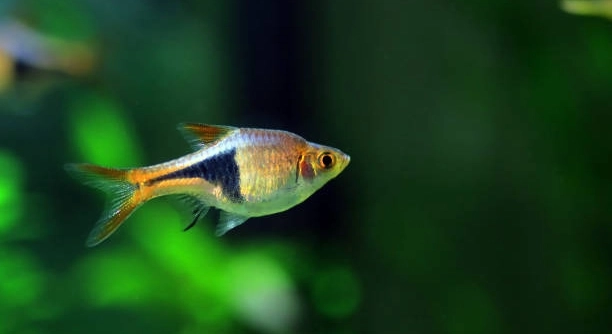
Rasboras are small, colorful fish that brighten up many home aquariums. Watching them swim happily can be rewarding for any fish keeper. Understanding how to tell if they like their habitat helps maintain their health and comfort.
Recognizing signs that rasboras appreciate their environment involves observing their behavior, coloration, and activity levels. Healthy rasboras display vibrant colors, swim actively in groups, and show curiosity, indicating their habitat meets their physical and psychological needs.
These clues will guide you in creating a space where your rasboras can thrive and stay lively.
How Rasboras Show They Are Comfortable
Rasboras that enjoy their habitat swim smoothly and confidently. They stay close to their group, often moving together in synchronized patterns. Their colors appear bright and consistent, not dull or faded. You might notice them exploring plants and hiding spots without stress. Comfortable rasboras tend to be active during the day, showing interest in food when it is offered. They do not hide for long periods or act sluggishly. A well-maintained environment with proper water conditions and enough space contributes to these behaviors. Observing these signs regularly helps ensure the habitat meets their needs and supports their well-being.
When rasboras are at ease, their movement is natural, and their interactions with the environment are positive and lively.
The more you observe your rasboras, the easier it becomes to recognize comfort signals. Movement patterns like swimming in groups, chasing light, or gently exploring plants are good indicators. If they respond quickly to feeding and show consistent coloring, these are additional clues that the habitat is suitable. Maintaining water quality and providing hiding places will keep them stress-free and healthy. These behaviors reflect their satisfaction with the environment you provide.
Water Quality and Habitat Preference
Water quality plays a critical role in how rasboras feel in their habitat.
Proper water temperature, pH levels, and cleanliness ensure their health and happiness. Rasboras thrive in slightly acidic to neutral pH and prefer stable temperatures between 72°F and 79°F. Regular water changes reduce toxins and keep their environment safe. Filtration and gentle water flow also matter because rasboras do not favor strong currents. When these factors are well controlled, rasboras remain active and display vivid colors. Poor water quality leads to stress, illness, and dull coloration, making them hide or become inactive. Monitoring these elements regularly supports their natural behavior and longevity. Ensuring these conditions reflects directly in how they interact with their habitat daily, showing clear preference and comfort.
Rasboras’ Social Behavior
Rasboras are social fish that prefer to stay in groups. Their comfort is shown by how closely they swim together and interact.
When rasboras are happy in their habitat, they form tight schools and move in harmony. This group behavior helps them feel safe and reduces stress. When separated or stressed, they may swim erratically or hide. Observing their schooling habits can reveal if they feel secure and content. A proper group size of at least six helps maintain their natural social dynamics. Without enough companions, rasboras may show signs of loneliness or agitation, affecting their overall health.
Their social behavior is a clear indicator of how well their habitat suits them. Healthy groups also display playful chasing and synchronized swimming, which adds liveliness to the aquarium environment.
Signs of Stress and Discomfort
Stress in rasboras often shows through changes in color and activity levels.
Pale or faded colors, sluggish movement, or constant hiding suggest discomfort. Stress can be caused by poor water conditions, lack of hiding spots, or overcrowding. When rasboras feel stressed, they may refuse food or isolate themselves from the group. Keeping the tank clean, maintaining proper water parameters, and providing plants or decorations helps reduce stress. Noticing these signs early allows quick action to improve their habitat and restore their well-being. Stress signs are usually temporary but need attention to prevent long-term health problems. Monitoring behavior closely is essential for maintaining a healthy aquarium.
Activity Levels Indicate Habitat Suitability
Rasboras that enjoy their habitat remain active throughout the day. They swim confidently and explore their surroundings regularly.
Low activity or frequent resting near the tank bottom often points to discomfort or illness. Active swimming is a positive sign of well-being.
Color Vibrancy Reflects Health
Bright and consistent coloration in rasboras usually means they are healthy and content. Dull or patchy colors can signal stress or poor water quality. Good diet and clean water help maintain their vivid appearance. Watching for color changes helps identify any issues early, ensuring they stay vibrant and healthy.
Response to Feeding
Rasboras that quickly approach food and eat eagerly are usually comfortable in their environment.
Interaction With Environment
Rasboras that use plants, rocks, or other tank features naturally indicate a well-set habitat. They feel secure enough to explore and rest among decorations, which is important for their mental health.
FAQ
How many rasboras should I keep together?
Rasboras are schooling fish that feel safest in groups. A minimum of six is recommended to promote natural behavior and reduce stress. Keeping fewer can lead to loneliness and nervousness, while larger groups encourage active swimming and social interaction. Make sure your tank is large enough to comfortably house the group.
What water conditions do rasboras prefer?
Rasboras thrive in water with a temperature between 72°F and 79°F, a pH of 6.0 to 7.5, and soft to moderately hard water. Stability is key; sudden changes can cause stress. Regular water testing and changes help maintain these conditions. Gentle filtration that avoids strong currents is ideal.
Why are my rasboras hiding so much?
Frequent hiding often signals stress or discomfort. Causes can include poor water quality, inappropriate tank mates, insufficient hiding places, or illness. Check water parameters and improve tank conditions if needed. Adding more plants or decorations can give them safe spots to retreat without feeling threatened.
What does it mean if my rasboras lose their color?
Loss of vibrant color usually indicates stress, illness, or poor water conditions. It can also result from inadequate diet or tank mates causing aggression. Improving water quality, providing a balanced diet, and monitoring tank harmony will help restore their colors over time.
How often should I feed my rasboras?
Feed small amounts once or twice daily, giving only what they can consume within a few minutes. Overfeeding can pollute the water and harm fish health. A varied diet including high-quality flakes, pellets, and occasional live or frozen foods keeps them healthy and vibrant.
Can rasboras live with other fish species?
Yes, rasboras are peaceful and generally do well with other non-aggressive fish of similar size. Avoid keeping them with large or aggressive species. Compatible tank mates include tetras, small gouramis, and peaceful bottom dwellers. Proper tank space and hiding spots help all fish coexist comfortably.
What are common signs of illness in rasboras?
Watch for lethargy, loss of appetite, abnormal swimming, visible spots or lesions, and rapid breathing. Early detection and treatment are vital. Maintaining clean water, proper diet, and stable conditions reduces the risk of disease. Quarantine new fish before adding them to the tank to prevent infections.
How can I improve my rasboras’ habitat?
Regular water changes, maintaining stable temperature and pH, and adding plants or decorations improve their environment. Providing adequate space and a proper group size supports natural behaviors. Avoid overcrowding and strong currents. A well-balanced diet complements habitat care for overall health.
Do rasboras need special lighting?
Moderate lighting that mimics natural daylight is best. Too bright or too dim lighting can stress rasboras or affect plant growth. A timer helps maintain a consistent day-night cycle, which supports their natural rhythms and overall well-being.
How long do rasboras typically live?
With good care, rasboras can live between three to five years. Longevity depends on water quality, diet, and stress levels. Consistent tank maintenance and attentive care contribute to a longer, healthier life. Monitoring their behavior and appearance helps catch issues early.
Final Thoughts
Creating a comfortable habitat for rasboras takes attention to detail and regular care. These fish show their comfort through behavior, color, and activity, which makes it easier to know if their environment is suitable. Watching how they swim together, respond to food, and explore the tank provides valuable information. By maintaining good water quality, stable temperature, and appropriate tank setup, you support their health and happiness. These basic but important steps help ensure rasboras can live their best lives in a home aquarium.
Understanding the needs of rasboras is key to successful fishkeeping. Their natural behavior, like schooling and exploring, shows when they feel secure and at ease. Paying attention to signs of stress such as hiding, dull colors, or inactivity allows for timely improvements in their care. Providing enough space and companions for social interaction is just as important as clean water and proper feeding. Small changes in the tank environment can make a big difference in how these fish thrive and display their natural beauty.
Regular observation and maintenance are necessary to keep rasboras comfortable. Monitoring water parameters, feeding balanced meals, and offering places to hide support their well-being. A habitat that matches their natural preferences encourages active swimming, bright colors, and healthy social behavior. By focusing on these elements, the tank becomes a place where rasboras feel safe and show their true colors. This care not only benefits the fish but also enhances the enjoyment of watching them flourish.

Hello,
If you enjoy the content that we create, please consider saying a "Thank You!" by leaving a tip.
Every little bit helps us continue crafting quality advice that supports the health, happiness, and well-being of pets around the world, for pets of all shapes, sizes, and species.
We really appreciate the kindness and support that you show us!