
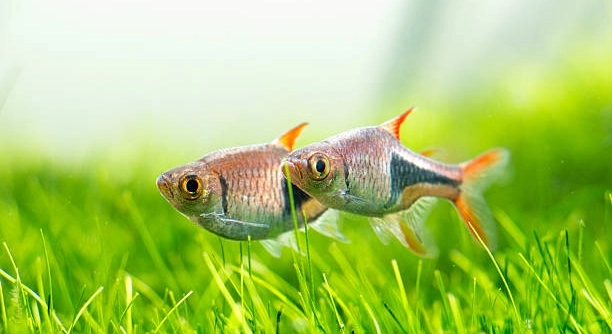
Many people enjoy watching their Rasboras swim gracefully in their aquariums. These small fish often seem aware of their surroundings and the moods around them. Their gentle nature makes them popular pets in many homes.
Rasboras do not have the ability to sense human emotions directly. However, they can respond to changes in their environment, such as movement, light, and vibrations, which may coincide with a person’s mood or behavior. Scientific evidence does not support emotional sensing in these fish.
Learning how Rasboras react to their environment can help owners better understand their behaviors and create a more comfortable habitat for them.
How Rasboras React to Their Environment
Rasboras are sensitive to changes in light, movement, and water conditions. When someone approaches the tank, their quick movements can catch the fish’s attention, causing them to swim faster or hide. These responses are natural survival instincts, not emotional understanding. For example, sudden shadows or tapping on the glass often startle them. Over time, Rasboras may become familiar with regular activity around their tank, appearing calmer when they recognize consistent routines. Their behavior is shaped mostly by external stimuli rather than internal feelings. Keeping the aquarium environment stable helps reduce stress for Rasboras, allowing them to show their natural, peaceful swimming patterns. Observing these reactions can be fascinating, but it is important to remember they are not linked to human emotions. They simply respond to what they sense in their immediate surroundings.
Rasboras do not form emotional connections but can learn to associate regular patterns with safety or disturbance.
Understanding these behaviors helps owners provide better care and avoid unnecessary stress for their fish.
Signs People Might Mistake for Emotional Awareness
Rasboras often swim closer to the glass when a person is near, which some interpret as attention or recognition. This behavior is usually driven by curiosity or the expectation of feeding, not by sensing emotions. The fish may also respond to vibrations from talking or moving around the tank. Such actions cause ripple effects in the water, alerting them to activity nearby. While these reactions might seem like empathy, they are simple survival mechanisms reacting to stimuli. Recognizing the difference is important for realistic expectations. It is better to focus on providing a stable, clean environment than expecting emotional interaction. Rasboras thrive best when their basic needs are met, and their environment remains calm. This ensures they stay healthy and display natural behaviors, which is rewarding for any fish owner.
Factors That Influence Rasbora Behavior
Light and water quality play a major role in how Rasboras act. Bright lights may make them shy, while dim lighting encourages calm swimming. Clean water keeps them healthy and active.
Rasboras rely heavily on water temperature and cleanliness for their well-being. Water that is too cold or too warm can stress them, causing unusual behavior like hiding or lethargy. Poor water quality, with high ammonia or nitrate levels, can also lead to illness and stress. Maintaining stable, clean water conditions mimics their natural habitat and encourages normal activity. When these needs are met, Rasboras show more consistent and peaceful behavior, making it easier to observe their natural patterns.
Feeding schedules also affect their behavior. Regular feeding helps Rasboras recognize routine and feel secure, reducing nervous or erratic swimming. It’s important not to overfeed, as leftover food can harm water quality and fish health.
Interactions Between Rasboras and Their Owners
Rasboras can become familiar with the presence of their owners over time. They often swim near the glass when they see movement, expecting food or activity. This response is linked to learned behavior rather than emotion.
When owners maintain a calm and consistent routine, Rasboras tend to show less stress and more curiosity. Sudden changes or loud noises may cause them to scatter or hide. Building this sense of predictability through gentle care can improve their comfort and activity levels. While they do not sense human emotions, Rasboras can react to their environment in ways that feel interactive. Creating a peaceful setting helps both the fish and owner enjoy a better connection based on mutual comfort.
Can Rasboras Recognize Their Owners?
Rasboras do not recognize individual humans in the way pets like dogs or cats do. They respond more to movement and routine than to a specific person. Familiarity comes from patterns, not personal recognition.
They may react calmly when an owner approaches regularly because they associate that presence with feeding or care, not because they identify the owner.
How Stress Affects Rasbora Behavior
Stress in Rasboras can cause rapid swimming, hiding, loss of appetite, and faded colors. Stress often results from poor water quality, sudden changes, overcrowding, or aggressive tank mates. Recognizing these signs early helps prevent health problems and promotes a better environment for the fish.
The Role of Senses in Rasbora Behavior
Rasboras use sight, smell, and lateral line senses to navigate their environment and detect changes. These senses help them avoid predators and find food. Their reactions are based on survival instincts rather than emotional awareness.
Common Misinterpretations of Fish Behavior
Some fish behaviors, like following movement or changing swimming speed, are often misunderstood as emotional responses. These are natural reactions to environmental cues and not evidence of sensing human emotions.
Can Rasboras really sense human emotions?
No, Rasboras cannot sense human emotions. They react to physical changes in their environment such as movement, light, and vibrations. These reactions are survival instincts and responses to stimuli, not emotional understanding. While they might seem to respond when you approach the tank, it is because they associate your presence with feeding or activity.
Why do Rasboras swim near the glass when I am close?
Rasboras swim near the glass because they recognize movement outside the tank. They may expect food or be curious about the activity. This behavior is based on learned routines and association with feeding times, not because they recognize you personally or feel emotions toward you.
Can Rasboras get stressed from human interaction?
Yes, Rasboras can get stressed from sudden movements, tapping on the glass, or loud noises. Stress causes changes in their behavior like hiding, rapid swimming, or loss of appetite. Keeping a calm and quiet environment helps reduce their stress levels.
How can I tell if my Rasbora is stressed?
Signs of stress in Rasboras include erratic swimming, hiding, faded colors, and reduced appetite. Stress is often caused by poor water quality, overcrowding, or sudden changes in their environment. Monitoring water parameters and keeping a stable tank helps prevent stress.
Do Rasboras recognize their owners?
Rasboras do not recognize owners like dogs or cats. They recognize routines and patterns, such as feeding times or consistent movements near the tank. This learned behavior makes them appear familiar with you, but it is not personal recognition.
What senses do Rasboras rely on the most?
Rasboras use sight to detect movement and light changes. They also use their lateral line system to sense vibrations and water currents. Smell helps them find food or detect changes in water chemistry. These senses help them survive but do not allow emotional awareness.
Can Rasboras be trained to respond to specific cues?
Rasboras can learn to associate certain cues, like tapping the tank or approaching at feeding time, with food. This conditioning is based on routine rather than understanding emotions. They respond to predictable signals but do not have the ability to understand complex commands.
Why do Rasboras sometimes hide when I approach?
Hiding is a natural defense mechanism. Sudden movement or unfamiliar actions can startle Rasboras, making them seek shelter. This behavior is a sign of caution, not a reaction to emotions. Creating a calm environment reduces their need to hide.
Is it harmful to tap on the glass to get their attention?
Tapping on the glass can cause stress and frighten Rasboras. Frequent tapping creates vibrations and noise that disrupt their environment. It’s better to avoid tapping and use gentle movements around the tank to minimize stress.
Can Rasboras sense when their owner is sad or happy?
No, Rasboras cannot sense human emotions like sadness or happiness. They only react to physical changes in their environment. Any perceived connection is due to their response to routine behavior or environmental changes, not emotional understanding.
How should I care for Rasboras to keep them calm?
Maintain stable water temperature and quality, provide plenty of plants or hiding places, and avoid sudden movements or loud noises near the tank. Regular feeding at consistent times helps them feel secure and reduces stress.
Can Rasboras form social bonds with other fish or humans?
Rasboras are social fish that do best in groups with their own kind. They form loose schools for safety but do not bond emotionally with humans or other species. Their social behavior is driven by survival, not emotional connection.
Why do Rasboras sometimes follow each other closely?
Following behavior is a natural schooling instinct. Staying close helps protect them from predators and allows better navigation through their environment. This behavior is based on safety, not emotional attachment.
Do different Rasbora species show different behaviors around humans?
While behaviors vary slightly among Rasbora species, none can sense human emotions. Some may be more skittish or curious depending on their natural temperament, but all respond primarily to environmental changes.
What can I do to better understand my Rasboras’ behavior?
Observe their reactions to changes in light, water quality, and movement around the tank. Learn their normal activity patterns and watch for signs of stress. Understanding these cues helps create a healthy and comfortable environment for your fish.
Rasboras are fascinating little fish that bring life and color to any aquarium. While it might seem like they understand our feelings, the truth is their behavior is driven mostly by instinct and reactions to their environment. They respond to changes like light, movement, and vibrations around their tank, but this is different from sensing human emotions. Knowing this can help fish owners have realistic expectations about how their Rasboras interact with them.
Taking care of Rasboras means focusing on their basic needs first. Stable water conditions, proper temperature, and a calm environment are essential for keeping these fish healthy and comfortable. They do best when their surroundings stay consistent and when they have enough space to swim freely and hide if they want to. Feeding them on a regular schedule also helps reduce stress, as they learn to expect food and feel safe. These simple steps will encourage natural behavior and make the fish more active and pleasant to watch.
It is easy to feel a connection with Rasboras because they seem curious and lively, especially when they swim near the glass or react to your presence. However, it is important to remember that their actions come from instinct and learned patterns rather than emotional understanding. By creating a peaceful and well-maintained environment, you allow them to thrive and enjoy their time in your aquarium. This care and attention provide the best way to appreciate these beautiful fish for what they are, living creatures responding to the world around them.

Hello,
If you enjoy the content that we create, please consider saying a "Thank You!" by leaving a tip.
Every little bit helps us continue crafting quality advice that supports the health, happiness, and well-being of pets around the world, for pets of all shapes, sizes, and species.
We really appreciate the kindness and support that you show us!