
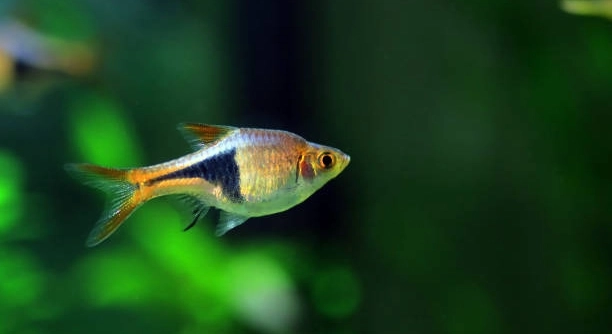
Rasboras are small, peaceful fish often chosen for home aquariums. They add color and movement to tanks while adapting to a variety of water conditions. Their behavior is subtle but interesting to observe.
Rasboras explore their tanks by swimming actively throughout the space, investigating plants, hiding spots, and the substrate. They display schooling behavior and respond to environmental changes, which helps them feel secure and stimulated in captivity.
Understanding these behaviors can improve how you set up and care for a rasbora tank, ensuring a healthier and happier environment for your fish.
Swimming Patterns and Territory
Rasboras are active swimmers that often move in groups called schools. Watching them swim together creates a peaceful, flowing rhythm in the tank. They prefer to stay near plants or decorations where they can find cover and feel safe. While they do not claim strict territories, they do like to explore a familiar area repeatedly. This behavior helps them stay comfortable in their environment. You may notice rasboras sometimes dart quickly when they sense movement or change in light. They also swim in the middle to upper levels of the tank, rarely touching the bottom unless searching for food. Creating a balanced tank with open swimming spaces and plenty of hiding spots helps support their natural patterns and reduces stress. Understanding how rasboras move can guide tank setup and care routines.
Rasboras swim actively in schools, mostly exploring mid to upper water levels. They feel safe near plants or hiding places.
Proper tank layout with plants and open areas encourages healthy movement and natural behavior for rasboras, keeping them calm and engaged.
Interaction with Tank Mates
Rasboras usually get along well with other peaceful fish species. Their calm nature means they rarely show aggression. However, they prefer to be in groups of at least six, which helps reduce stress and encourages natural schooling. If kept alone or with aggressive tank mates, they may become shy or hide more often. It’s important to choose compatible species that share similar water requirements and temperaments. Avoid large or aggressive fish that might bully or eat them. Adding live plants and decorations gives all tank residents enough space to avoid conflict. Rasboras also respond positively to gentle feeding routines and calm tank maintenance. Keeping the environment stable and peaceful ensures the fish feel safe and behave naturally. Observing their interaction can help you adjust your tank’s community for the best balance.
Feeding Habits
Rasboras are not picky eaters. They enjoy a mix of flakes, pellets, and live or frozen foods like brine shrimp or daphnia. Regular feeding supports their health and energy.
Feeding rasboras small amounts two to three times daily mimics their natural grazing behavior. Overfeeding can pollute the water and harm the fish, so it’s important to remove uneaten food after a few minutes. Providing variety helps maintain their nutritional balance and keeps them interested in mealtime. Watching their feeding response also helps detect any health issues early.
It’s best to choose high-quality food designed for small tropical fish. Occasionally offering live or frozen foods can boost their immune system and brighten their colors. Keep portions moderate and consistent to maintain tank cleanliness and fish well-being.
Tank Environment Preferences
Rasboras prefer soft, slightly acidic water with temperatures between 72-79°F (22-26°C). Stable conditions are key to their comfort and health.
A planted tank with moderate lighting suits rasboras well. Plants provide hiding spots and create a natural setting that reduces stress. Substrate can be fine gravel or sand to mimic their natural habitat. Regular water changes help maintain good water quality, preventing buildup of toxins that could harm the fish.
Avoid sudden changes in water parameters, as rasboras are sensitive to shifts. Keeping a calm environment without strong currents supports their natural swimming and schooling behaviors. A balanced tank setup encourages active, healthy fish that display their full colors.
Social Behavior
Rasboras are social fish that feel safest in groups of six or more. Schooling helps them stay calm and reduces stress.
When kept alone, they often become shy and hide. Group living encourages natural, active swimming and interaction.
Exploring New Objects
Rasboras are curious and will investigate new decorations or plants introduced to the tank. This behavior helps them adapt to changes.
They may swim around or briefly hover near new items before settling back into their usual routine.
Response to Light
Rasboras prefer moderate lighting. Bright or sudden changes in light can cause stress or hiding.
Soft, consistent lighting helps keep them comfortable and encourages natural behavior.
Resting Spots
Rasboras need calm areas to rest, often near plants or decorations. These spots provide safety and comfort.
What do rasboras like to explore in their tank?
Rasboras enjoy exploring various parts of their tank, including plants, decorations, and substrate. They swim actively around the middle and upper levels of the aquarium. Their natural curiosity leads them to investigate hiding spots or any changes in their environment. This exploring behavior helps keep them stimulated and comfortable.
How important is schooling for rasboras?
Schooling is very important for rasboras. They feel safer and less stressed when kept in groups of at least six. Being in a school encourages natural swimming patterns and social interaction. Without a group, rasboras may become shy and hide more often, which can affect their overall health.
What should I feed my rasboras?
Rasboras thrive on a varied diet. High-quality flakes or pellets designed for small tropical fish work well. Adding live or frozen foods like brine shrimp, daphnia, or bloodworms boosts nutrition and keeps their colors bright. Feed small amounts two to three times a day and remove leftover food to maintain water quality.
How often should I clean the tank for rasboras?
Regular tank maintenance is essential. Partial water changes of 20-30% once a week help keep water parameters stable and remove toxins. Cleaning the substrate gently and removing uneaten food prevent harmful buildup. A clean tank supports rasboras’ health and reduces stress.
What water conditions do rasboras prefer?
Rasboras do best in soft, slightly acidic water with a pH between 6.0 and 7.0. Temperatures should stay between 72°F and 79°F (22°C–26°C). Stable conditions are critical, as sudden changes can cause stress or illness. Testing water regularly helps ensure the right environment.
Can rasboras live with other fish?
Yes, rasboras are peaceful and get along with other calm fish that share similar water needs. Avoid aggressive or much larger species that could bully or eat them. Good tank mates include small tetras, Corydoras catfish, and dwarf gouramis. Keeping compatible fish creates a balanced, peaceful community.
Why do rasboras sometimes hide?
Hiding is normal when rasboras feel threatened or stressed. This can happen if they are kept alone, have aggressive tank mates, or if the tank environment is too bright or noisy. Providing plenty of plants and decorations gives them places to retreat and feel safe.
How much space do rasboras need?
A group of six or more rasboras should have at least 10 gallons of tank space. More room is better to allow natural swimming behavior and reduce competition for space. Providing vertical swimming space and hiding areas supports their well-being.
What kind of plants work best with rasboras?
Live plants like Java fern, Anubias, and floating plants suit rasboras well. They offer shelter and soften the tank’s light. Plants also improve water quality by absorbing nitrates. Avoid sharp-leaved plants to prevent injury. A planted tank helps rasboras feel secure and encourages natural behavior.
How can I tell if my rasbora is healthy?
Healthy rasboras swim actively in their school, have bright colors, and clear eyes. They eat eagerly during feeding time and don’t hide excessively. Signs of illness include faded colors, clamped fins, erratic swimming, or loss of appetite. Regular observation helps catch problems early.
Taking care of rasboras means understanding how they behave and what they need in their tank. These small fish enjoy swimming in groups and exploring their surroundings, which helps keep them active and healthy. They prefer calm environments with plants and decorations where they can hide when they feel stressed. Providing a mix of open space and covered areas makes a tank comfortable for them. Keeping water conditions stable and clean is also very important for their well-being. When these needs are met, rasboras show natural behavior and display their beautiful colors.
Feeding rasboras well is another important part of their care. They are not picky eaters but do best with a varied diet of flakes, pellets, and occasional live or frozen foods. Feeding small amounts regularly prevents overfeeding, which can harm water quality and fish health. Watching their feeding habits can help you notice if they are feeling well or if something might be wrong. It is also helpful to keep them with other peaceful fish that share similar water needs. This keeps the tank environment balanced and reduces stress for everyone.
Overall, rasboras are great fish for beginners and experienced hobbyists alike because of their peaceful nature and interesting behaviors. Taking the time to learn about their preferences will help you create a tank where they can thrive. Paying attention to water quality, feeding, and their social needs will make a big difference. With the right care, rasboras will bring calm movement and color to your aquarium for a long time. This makes them a rewarding addition to any fish tank setup.

Hello,
If you enjoy the content that we create, please consider saying a "Thank You!" by leaving a tip.
Every little bit helps us continue crafting quality advice that supports the health, happiness, and well-being of pets around the world, for pets of all shapes, sizes, and species.
We really appreciate the kindness and support that you show us!