
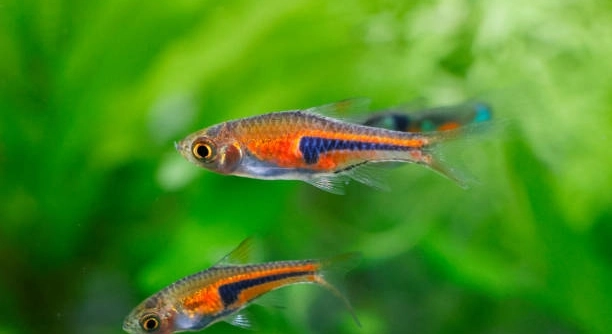
Have you ever brought home rasboras, only to worry about how they’ll adjust after the stress of shipping?
The best way to treat rasboras after shipping is to acclimate them slowly, maintain stable water parameters, and monitor for signs of illness. Providing a calm, quiet environment helps them recover from transport stress more efficiently.
These early steps will shape their health, behavior, and ability to thrive. Proper post-shipping care makes a lasting difference in their new home.
Let Them Settle In Gently
When your rasboras first arrive, the goal is to reduce their stress as much as possible. Begin by floating the sealed shipping bag in the tank for 20–30 minutes to match water temperatures. Slowly add small amounts of tank water to the bag every five minutes over the next 30–45 minutes. This allows the rasboras to adjust gradually to the tank’s water chemistry. Once acclimated, gently net them into the tank—never pour shipping water into your aquarium. Turn off the lights and avoid feeding them for the first 24 hours. This quiet period helps them rest and adapt to their surroundings without added pressure from tank mates or light changes. Watch for heavy breathing or erratic swimming, which can signal stress or water issues. Keeping their environment stable at this stage makes a big difference in their long-term health and behavior.
Make sure to limit noise and movement around the tank during the first day.
Feeding should be delayed until they’ve had a full day to rest. Rasboras may ignore food if offered too soon, which only adds more waste to the water. A small amount of high-quality flake or micropellet food can be offered on day two. Keep an eye on how they respond.
Maintain Ideal Water Conditions
Test your tank water before the rasboras arrive to confirm all parameters are stable.
Ammonia and nitrite levels should be zero, and nitrate should stay below 20 ppm. The pH should remain steady between 6.0 and 7.5. Soft, slightly acidic water mimics their natural habitat. A temperature range of 74–78°F (23–26°C) is ideal. If using a heater, make sure it’s reliable and set correctly. Keep the filter running smoothly and avoid large water changes during their first week—small changes of 10% every few days are safer. Rasboras are sensitive to instability, and sudden changes can cause stress or illness. Add a few live plants to give them places to hide and feel secure. Plants also help maintain water quality. Avoid bright lighting at first, and gradually increase it over several days. Watch for signs like clamped fins, refusal to eat, or swimming near the surface, which can indicate poor water quality or ongoing stress. Address any problems early to give them the best chance of settling in well.
Watch for Illness and Signs of Stress
Rasboras can show stress through clamped fins, color loss, or hiding more than usual. Keep a close eye on their behavior during the first week. Early signs of illness should be addressed quickly to avoid further problems.
If you notice any rasbora gasping at the surface, swimming erratically, or isolating itself from the group, test the water immediately. Poor water quality is often the reason for such behavior. Make sure your filtration is working and consider adding an air stone to boost oxygen levels. Avoid adding medications unless absolutely necessary—some fish may react poorly. If you suspect a bacterial or fungal issue, isolate the affected fish in a separate tank with clean, warm water. Aquarium salt, in small doses, can help relieve mild stress symptoms, but always follow dosing instructions carefully. Maintaining calm lighting and avoiding sudden changes can support their recovery.
Feeding high-quality, easily digestible food can help boost their immune system. Look for signs of improvement, such as increased activity and regular swimming. Avoid overfeeding, as leftover food can quickly pollute the water. Limit handling and loud sounds near the tank. If you continue seeing issues after a few days, consider consulting a fish health guide or aquatic veterinarian for further advice.
Gradually Introduce Them to Their Tank Mates
Rasboras are peaceful and do well in groups, but introducing them to an active tank can be overwhelming at first. Allow them to settle in before adding new fish or rearranging decorations.
If your rasboras were added to a community tank, monitor interactions closely during the first week. Avoid keeping them with aggressive or fast-swimming fish that may outcompete them for food. Stick to peaceful tank mates like tetras, small gouramis, or Corydoras. Feed the rasboras in a quiet corner of the tank so they feel safe while eating. If you plan to add more rasboras, do it in small groups to avoid upsetting the current ones. Make sure there’s plenty of plant cover and hiding spots, which help reduce stress. Gradual integration, quiet surroundings, and stable conditions will help your rasboras build confidence and settle into the community more easily.
Limit Feeding During the First Few Days
Avoid offering too much food right after arrival. Rasboras may not eat due to stress, and uneaten food can lower water quality quickly. A small pinch of high-quality food on the second day is usually enough.
Stick to feeding once a day in the beginning. Watch closely to see if they’re interested in eating. If they ignore food, skip the next feeding and try again later. Keeping feeding light helps prevent digestive issues and keeps the tank cleaner while they adjust.
Keep the Tank Quiet and Consistent
Rasboras react strongly to sudden changes in sound, light, or movement. Keep the tank in a quiet spot without constant traffic or loud noise. Avoid adjusting lights or rearranging decorations too often, especially during their first week. Use a timer to maintain a steady light cycle of 8 to 10 hours per day. Loud music, slamming doors, or frequent tapping on the glass should be avoided. Stability helps them feel secure and less prone to illness. Calm surroundings allow rasboras to settle in faster, show natural behavior, and adapt to their environment without added stress.
Offer Shelter and Open Swimming Space
Use live or silk plants to provide hiding areas, but leave enough room for schooling behavior. Rasboras like to swim in open space while staying close to cover.
How soon should I feed my rasbora after shipping?
It is best to wait at least 24 hours before feeding your rasbora after shipping. During this time, they need to recover from transport stress and acclimate to the new water conditions. Feeding too early can cause more stress and uneaten food can pollute the water. Start with small amounts of high-quality food on the second day and observe their behavior to make sure they are eating properly.
What water parameters are ideal for rasboras after shipping?
Stable water conditions are critical. The pH should be between 6.0 and 7.5, with temperature maintained at 74–78°F (23–26°C). Ammonia and nitrite must be at zero, and nitrate should stay below 20 ppm. Soft, slightly acidic water mimics their natural environment and reduces stress. Regular testing helps ensure these parameters remain steady as your fish settle in.
Can I add rasboras directly to an established community tank?
It is possible but not recommended to add rasboras immediately to a busy community tank. Allow them to acclimate in a quiet environment first. If added to a community tank, monitor interactions closely to ensure they are not bullied or outcompeted for food. Choose peaceful tank mates and provide plenty of hiding spots. Introduce new fish gradually to avoid overwhelming the rasboras.
How can I tell if my rasbora is stressed or sick after shipping?
Common signs of stress include clamped fins, faded colors, erratic swimming, or hiding excessively. Gasping at the water surface can indicate low oxygen or poor water quality. Illness may show as white spots, torn fins, or lethargy. Early detection is important. Test water quality, maintain stable conditions, and isolate any fish showing severe symptoms for treatment.
Should I treat the tank with medication after receiving new rasboras?
Routine medication is not necessary unless illness is observed. Unnecessary treatments can harm healthy fish and beneficial bacteria. Focus on quarantine, clean water, and stable conditions first. If disease symptoms develop, identify the problem and apply the correct treatment. Always follow dosage instructions carefully and monitor fish closely during any treatment.
What is the best way to acclimate rasboras to new water?
Float the sealed bag in the tank for 20–30 minutes to match temperatures. Gradually add small amounts of tank water to the bag every 5 minutes over 30–45 minutes. This slow mixing helps fish adjust to differences in pH, hardness, and temperature. After acclimation, gently net the fish into the tank without pouring the shipping water.
How often should I do water changes after shipping?
During the first week, perform small water changes of about 10% every few days. Large or sudden changes can shock stressed fish. Use water that matches the tank’s temperature and parameters. Regular small water changes help keep nitrate levels low and maintain water quality without adding stress.
Can I use aquarium salt after shipping to reduce stress?
Aquarium salt can be helpful in small doses to relieve mild stress and support gill function. However, not all fish tolerate salt well, and overdosing can cause harm. Use salt cautiously and follow instructions carefully. It’s best to focus on stable water conditions and a calm environment as the primary stress reducers.
What type of food is best for rasboras after shipping?
Offer high-quality, easily digestible food such as fine flakes or micropellets designed for small tropical fish. Avoid heavy or oily foods that may cause digestive issues. Live or frozen foods like daphnia or brine shrimp can also be good once fish start eating regularly. Feed small amounts to avoid leftovers that pollute the water.
How many rasboras should I keep together after shipping?
Rasboras are schooling fish and feel most secure in groups of at least six. Smaller groups can become stressed and shy. Keeping them in proper numbers encourages natural behavior, reduces anxiety, and helps maintain their health. If you only have a few, consider adding more slowly once the initial group has settled.
Taking good care of rasboras after shipping is important to help them adjust and stay healthy. Shipping can be very stressful for fish, so a calm and stable environment is necessary when they arrive. Following proper steps like slow acclimation, maintaining stable water conditions, and watching for signs of stress or illness will make a big difference. It is normal for rasboras to need some time to recover before they start eating and behaving normally again.
Keeping water quality steady is one of the best ways to support your rasboras. Testing the water regularly and making small water changes helps keep harmful chemicals low and the tank environment safe. Avoid sudden changes in temperature or water parameters, as these can cause additional stress. Also, providing hiding places and keeping noise and light levels gentle can make your fish feel more secure. Rasboras thrive when their environment feels safe and predictable.
Patience is key when helping rasboras settle in after shipping. They may hide or swim less at first, but these behaviors usually improve as they get used to their new home. Avoid overfeeding and avoid making too many changes all at once. Monitor your fish daily for any unusual signs, and act quickly if you notice illness. With steady care and attention, your rasboras will grow comfortable, show their colors, and bring life to your aquarium. Taking these careful steps will help your fish live long and healthy lives in their new environment.

Hello,
If you enjoy the content that we create, please consider saying a "Thank You!" by leaving a tip.
Every little bit helps us continue crafting quality advice that supports the health, happiness, and well-being of pets around the world, for pets of all shapes, sizes, and species.
We really appreciate the kindness and support that you show us!