
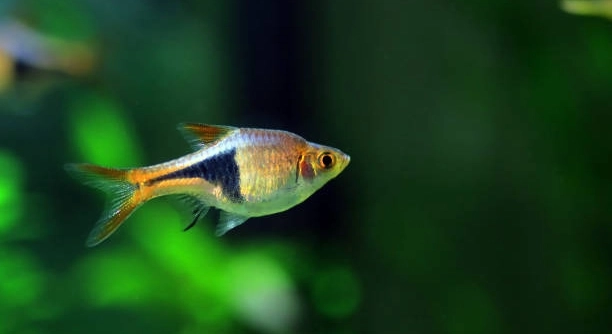
Rasboras are small, peaceful fish often kept in home aquariums. They can sometimes face stress or bullying from tank mates, which affects their health and behavior. Recognizing these signs early helps keep them safe and comfortable.
A bullied rasbora will show signs such as faded color, torn fins, erratic swimming, and hiding more often. Physical injuries or constant chasing by other fish are clear indicators of stress caused by bullying in the aquarium.
Knowing how to spot these symptoms can improve your fish’s well-being and create a peaceful environment for all your aquatic pets.
Common Signs of a Bullied Rasbora
When a rasbora is being bullied, the changes in its behavior and appearance can be quite noticeable. Often, the fish loses its bright coloration, becoming dull or faded. Its fins may look torn or ragged due to nips from more aggressive tank mates. You might see the rasbora swimming erratically or darting quickly to avoid others. It may also spend more time hiding behind plants or decorations rather than swimming openly. These signs usually mean the fish is stressed and uncomfortable. Stress weakens the immune system, making the rasbora more vulnerable to illness. Early detection helps prevent long-term harm and keeps the fish healthier. Watching for these details during daily tank checks is important.
Most signs of bullying can be seen without special equipment, so close observation is key.
Knowing these signs helps you act quickly to protect your rasbora from further harm and improve its quality of life.
Causes of Bullying in a Community Tank
Bullying in an aquarium often results from the mix of species or overcrowding. Some fish naturally have more aggressive behavior or stronger territorial instincts, which leads them to pick on smaller, quieter fish like rasboras. Insufficient hiding spots and poor tank layout increase stress for all fish, making bullying worse. When there are too many fish in one tank, competition for food and space can also trigger aggressive behavior. Sometimes, a single dominant fish will repeatedly chase or nip others. Stressful water conditions like incorrect temperature or poor water quality can further weaken the rasbora, making it an easy target. To reduce bullying, it’s important to choose compatible species and maintain a well-structured environment with plenty of places for the fish to hide and rest. Managing these factors can make your tank peaceful and safe for every fish.
Preventing Bullying in Your Aquarium
Creating enough space and hiding spots helps reduce bullying. Rasboras feel safer with plants, rocks, and decorations to retreat behind. Proper tank size and avoiding overcrowding are important to lower stress and aggressive behavior.
Keeping fish in groups of six or more can help since rasboras rely on schooling to feel secure. A larger group spreads attention among members, making it harder for one fish to be singled out. Also, choose tank mates carefully. Avoid overly aggressive or territorial fish that might harass smaller species like rasboras. Regular tank maintenance, including clean water and stable conditions, supports a healthy environment that reduces stress. By combining these steps, you create a peaceful space where your rasboras can thrive without fear.
Sometimes, simple changes in the tank setup make a big difference. Adding more plants or rearranging decorations can give bullied fish new hiding spots and break sight lines, helping them feel safer and less targeted.
Helping a Bullied Rasbora Recover
If you notice signs of bullying, isolating the rasbora temporarily can allow it to heal without stress. A quarantine tank with clean water and minimal disturbance is ideal. Make sure the water temperature and quality match the main tank to avoid additional stress.
Feeding the rasbora a nutritious diet boosts its immune system and speeds recovery. High-quality flakes or pellets supplemented with frozen or live foods provide essential nutrients. During recovery, avoid adding new fish to the main tank, as this may increase stress. When reintroducing the rasbora, observe interactions closely to prevent repeat bullying. Gradually improving tank conditions and carefully selecting companions can help the rasbora regain health and confidence.
Patience is key during recovery. Bullying causes both physical injuries and stress, so a calm, stable environment helps your rasbora bounce back fully.
Monitoring Tank Behavior Regularly
Watching your fish daily helps catch bullying early. Notice changes in movement, color, or social interactions. Early action can prevent serious harm.
Keep a close eye on how tank mates behave around the rasboras. Look for chasing or nipping to stop bullying before it escalates.
Adjusting Tank Conditions to Reduce Stress
Stable water conditions play a big role in fish behavior. Regularly check temperature, pH, and ammonia levels to keep the environment safe. Stress from poor water quality can increase aggression and weaken rasboras. Maintaining clean water supports peaceful interactions and fish health.
When to Seek Professional Help
If bullying continues despite changes, consulting an experienced aquarist or vet is a good step. They can offer advice on behavior management or treatment options.
FAQ
How can I tell if my rasbora is being bullied or just stressed?
Bullied rasboras often show physical signs like torn fins or faded colors, while stress alone may cause hiding or reduced activity. Bullying usually involves chasing or nipping from other fish. If you notice injury or aggressive behavior from tank mates, bullying is likely. Stress without bullying may come from poor water quality or sudden changes. Observing how other fish interact helps identify if bullying is the cause.
What types of fish are good tank mates for rasboras?
Rasboras do well with peaceful, non-aggressive species that won’t compete for territory. Ideal tank mates include small tetras, peaceful gouramis, and snails. Avoid larger, aggressive fish that may bully or eat them. Community tanks with plenty of plants and hiding spots encourage calm behavior and reduce stress among all fish.
Can overcrowding cause bullying?
Yes, overcrowding increases stress and competition for space, which can lead to bullying. Rasboras need enough room to swim freely and hide. A crowded tank makes it harder for fish to avoid aggressive individuals. Ensuring proper tank size and limiting fish numbers can greatly reduce bullying incidents.
Is it okay to keep only a few rasboras?
Rasboras are schooling fish and feel safer in groups of six or more. Keeping only a few can make them more vulnerable to bullying and stress. Larger groups spread out attention and encourage natural schooling behavior, which helps reduce fear and aggression from other fish.
What should I do if one rasbora keeps getting bullied?
If one fish is repeatedly targeted, consider separating it temporarily to heal. Improving tank conditions and adding more hiding places can help on reintroduction. You might also need to remove aggressive fish or rearrange the tank layout. Sometimes, adding more rasboras to increase the group size spreads out attention and reduces bullying.
How long does it take for a bullied rasbora to recover?
Recovery time depends on the injury and stress level. Minor injuries may heal in a few days to a week, while deeper wounds or long-term stress require more time. A calm environment, good water quality, and proper nutrition speed healing. Monitoring the fish closely during recovery ensures it is improving without new issues.
Can bullying cause illness in rasboras?
Yes, bullying leads to stress which weakens the immune system, making rasboras more prone to infections. Open wounds from nips can also allow bacteria to enter the body. Keeping stress low and injuries treated helps prevent illness and supports overall health.
Are there any signs that indicate bullying is getting worse?
If the rasbora’s color fades more, fins worsen, or it hides constantly, bullying may be increasing. More frequent chasing or visible injuries are serious signs. Also, if the fish stops eating or becomes very lethargic, bullying could be causing severe stress. Immediate action is needed to protect the fish.
How do I introduce new fish to prevent bullying?
Introduce new fish slowly and monitor their behavior. Adding new tank mates when the tank is stable and well-maintained reduces aggression. Provide extra hiding spots during introductions. Sometimes rearranging decorations before adding new fish breaks territorial boundaries and lowers bullying chances.
Can diet affect a rasbora’s ability to handle bullying?
A healthy diet strengthens the immune system and overall resilience. Feeding a varied diet with quality flakes, pellets, and occasional live or frozen foods helps rasboras stay strong. Malnourished fish are weaker and more vulnerable to stress and injuries caused by bullying. Regular feeding supports recovery and vitality.
Final Thoughts
Taking care of rasboras means paying close attention to their behavior and environment. These small fish are peaceful and thrive best when they feel safe and stress-free. Bullying can quickly affect their health and happiness, so spotting the signs early is very important. Changes like dull color, torn fins, or hiding often are clear clues that something is wrong. By watching your fish regularly, you can catch problems before they get worse. Creating a calm and balanced tank helps prevent bullying from starting in the first place.
The tank setup plays a big role in how well rasboras get along with other fish. Providing enough space and plenty of hiding places makes a big difference. When there are plants, rocks, or decorations for rasboras to retreat behind, they feel less threatened. Overcrowding and aggressive fish increase stress and lead to more bullying. Keeping a proper number of fish and choosing peaceful tank mates can avoid many issues. It’s also important to maintain clean water and stable conditions, as poor water quality adds stress and encourages aggressive behavior.
If bullying does happen, there are several ways to help your rasbora recover. Isolating the injured fish in a quiet tank lets it heal without added pressure. Feeding a good diet supports its immune system and speeds healing. When returning the fish to the main tank, monitor the situation closely to prevent bullying from starting again. Sometimes rearranging the tank or changing the group size helps reduce aggression. Being patient and consistent with care can restore balance in your aquarium, helping your rasboras live healthy and happy lives.

Hello,
If you enjoy the content that we create, please consider saying a "Thank You!" by leaving a tip.
Every little bit helps us continue crafting quality advice that supports the health, happiness, and well-being of pets around the world, for pets of all shapes, sizes, and species.
We really appreciate the kindness and support that you show us!