
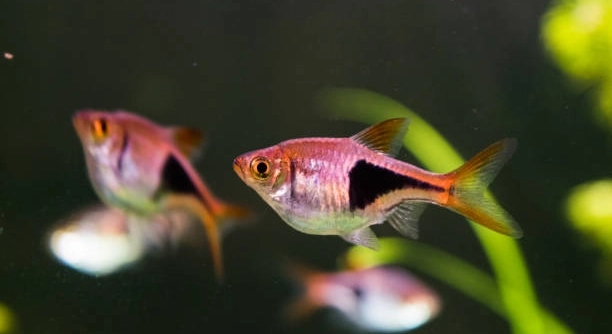
Many aquarium enthusiasts enjoy watching rasboras swim gracefully in their tanks. These small fish have favorite resting spots that might surprise you. Knowing where rasboras like to rest helps create a better environment for them.
Rasboras tend to rest in unusual places such as dense plant clusters, beneath floating leaves, or near smooth surfaces like rocks and driftwood. These locations offer safety, comfort, and shelter from strong currents or bright lights.
Understanding these resting habits can improve your tank setup and help your rasboras feel secure and healthy.
Resting Among Dense Plant Clusters
Rasboras often seek comfort within dense plant clusters in the aquarium. These plants provide a natural hiding spot where the fish feel secure and protected. The leaves create shade and reduce light intensity, which can help rasboras rest without stress. Plant clusters also offer cover from more active tankmates, giving rasboras a peaceful spot to relax. Dense plants mimic their natural environment, encouraging normal behavior. Adding a variety of tall and bushy plants enhances the tank’s complexity and supports the fish’s well-being. It also improves water quality by absorbing nitrates and providing oxygen. When choosing plants, consider species that are easy to maintain and grow well underwater. This helps keep the tank balanced, making it a comfortable space for rasboras to rest regularly.
Dense plants create a safe, calm resting area for rasboras, promoting healthier and more natural behavior patterns.
Creating these plant clusters in your aquarium requires careful placement and patience. Start by selecting fast-growing plants like Java fern or Anubias, which can thrive in low light. Arrange them so there are thick layers of leaves close to the substrate. This simulates the natural hiding places found in rivers and streams. Over time, the plants will fill in and provide ideal cover. You might notice your rasboras resting quietly among the leaves, less stressed and more active when swimming. Dense plants also reduce water flow, giving the fish calm spots to rest. Maintaining these plants is essential—trim dead leaves and avoid overcrowding to keep the area healthy. This simple adjustment creates a resting environment that benefits both the fish and the tank’s overall ecosystem.
Resting Beneath Floating Leaves
Floating leaves offer a unique resting place for rasboras. These leaves provide shade and reduce light, making the fish feel protected.
Floating plants create a natural cover on the water’s surface that rasboras use to rest underneath. The shade helps prevent stress from strong overhead lighting. These plants also offer subtle protection from larger, more aggressive fish. Floating leaves are easy to add and maintain; species like duckweed or water lettuce thrive with minimal care. They help control algae by reducing sunlight penetration, keeping the tank cleaner. Rasboras resting under floating leaves appear calm and more secure. These spots mimic their natural river habitats, where shaded areas are common. The gentle movement of floating leaves also creates quiet water zones, encouraging restful behavior. When choosing floating plants, ensure they do not overcrowd the surface, allowing for balanced light and oxygen exchange. Using floating leaves is a simple and effective way to improve your rasboras’ resting environment.
Resting Near Smooth Surfaces
Rasboras often rest near smooth surfaces like rocks or driftwood. These surfaces offer stability and a place to lean against while feeling protected.
Smooth surfaces help rasboras conserve energy by giving them a spot to rest without constant swimming. Rocks and driftwood create quiet zones with reduced water flow, allowing the fish to relax. These surfaces also provide visual boundaries, which can reduce stress in a tank. Additionally, they encourage natural behaviors like grazing on biofilm or algae growing on the surfaces. Choosing smooth, non-toxic materials is important to prevent injuries. Positioning these elements thoughtfully helps create safe resting areas that mimic their natural habitat.
The textures of rocks and driftwood also offer sensory benefits. Rasboras can feel secure when touching these surfaces, which helps them rest better. These spots often become favored resting places over time as the fish get used to the shapes and locations.
Resting in Low-Flow Areas
Low-flow areas in the aquarium serve as peaceful resting zones for rasboras. These calm spots help reduce energy use and stress.
Water currents can tire small fish like rasboras if they must swim constantly against the flow. Areas with gentle or minimal water movement allow them to rest comfortably. These spots often form near filter outlets or behind decorations where the current weakens. Creating low-flow zones can be done by adjusting filter settings or adding plants and structures that block strong currents. These calm areas also encourage social resting, where rasboras gather together. Group resting reduces anxiety and promotes natural schooling behavior. Maintaining a balance between oxygenation and low flow is key to keep these spots healthy and restful.
Resting Near Aquarium Walls
Rasboras sometimes rest close to aquarium walls. These spots offer a sense of security by limiting exposure on multiple sides.
Walls create a barrier that helps fish feel protected from open water threats. The corners and edges are common resting places.
Resting in Open Water at Night
Some rasboras rest in open water during nighttime when the tank is quiet. Darkness reduces stress and predators, allowing safer rest. This behavior shows their adaptability and trust in the environment, as they feel secure without needing cover after dark.
Resting Underneath Tank Decorations
Rasboras often rest beneath decorations like caves or ceramic structures. These spots provide shelter, shade, and a break from tank activity, making them ideal resting places.
How can I tell if my rasbora is resting or sick?
Rasboras resting normally will remain calm and often stay in safe spots like plants or near decorations. They keep a natural posture, their fins are smooth, and they respond to movement around the tank. If a rasbora is sick, it may stay motionless for long periods, lie on the bottom awkwardly, or show signs like clamped fins, faded color, or labored breathing. Watching for changes in behavior or appearance helps you spot illness early. Regular observation makes it easier to tell the difference between resting and health problems.
What kind of plants are best for rasboras to rest in?
Rasboras prefer dense, leafy plants that create shady and secure spots. Plants like Java fern, Anubias, and Hornwort work well because they grow thick and provide good cover. Floating plants such as duckweed and water lettuce also help by creating shaded areas on the water’s surface. These plants not only give resting spots but improve tank conditions by filtering water and adding oxygen. Choosing hardy, easy-to-care-for plants reduces maintenance while offering your fish natural hiding places.
Why do rasboras rest near the tank walls?
Tank walls offer a sense of security to rasboras. Being close to a solid surface limits their exposure and reduces stress from feeling vulnerable in open water. The edges and corners especially serve as quiet, less disturbed areas where they can rest without much disturbance. This behavior is instinctive, mimicking their natural tendency to stay near riverbanks or sheltered spots in the wild.
Can resting spots affect the health of my rasboras?
Yes, providing proper resting spots improves overall health. Safe, quiet areas reduce stress, which helps the immune system stay strong. When rasboras can rest properly, they conserve energy, avoid injury from other fish, and show more natural behaviors. Without good resting places, they may become stressed, leading to illness or poor growth. A well-planned tank with plants, smooth surfaces, and low-flow zones supports healthier fish.
Is it normal for rasboras to rest in open water?
While rasboras usually prefer cover, resting in open water at night or when the tank is calm is normal. Darkness reduces stress and the threat of predators, so they feel safe enough to rest away from hiding spots. This behavior shows that they trust their environment and are comfortable in the aquarium.
How often should I check the resting areas in my tank?
It’s a good habit to observe your tank daily, paying attention to where the rasboras rest. Look for changes in their preferred spots or if resting areas become overcrowded or unhealthy. Regular cleaning and trimming plants prevent buildup of waste or dead leaves, keeping resting spots fresh and safe. Maintaining these areas supports the fish’s comfort and health.
What should I avoid when creating resting spots?
Avoid sharp or rough decorations that can injure the fish. Also, don’t overcrowd the tank with too many plants or ornaments, as this can limit swimming space and oxygen flow. Excessive floating plants may block too much light and reduce surface movement, affecting water quality. Balance is key—provide enough shelter without making the tank cluttered or difficult to maintain.
Do rasboras prefer certain resting spots over others?
Individual rasboras may have preferences, but generally, they favor dense plants, smooth surfaces, and low-flow areas. Some might rest more under floating leaves, while others choose rocks or tank walls. Their choices can change with tank conditions, lighting, and social behavior. Offering a variety of resting spots ensures all fish find comfortable places.
Can resting behavior indicate tank problems?
Yes, changes in resting patterns can signal issues. If rasboras hide excessively or stop resting in usual spots, it might mean water quality problems, stress, or illness. Resting in unusual places, such as gasping near the surface, could point to low oxygen. Monitoring resting habits helps catch problems early and take corrective action.
How can I encourage my rasboras to use different resting places?
Adding a mix of plants, rocks, and decorations creates multiple options. Adjusting light levels or water flow can also encourage fish to explore new spots. Gradually changing tank layout or introducing floating plants may attract rasboras to rest in different areas. Being patient helps them adapt and feel comfortable using all available resting zones.
Understanding where rasboras like to rest can help create a better home for them in your aquarium. These small fish choose resting spots based on safety, comfort, and calmness. By providing places such as dense plants, smooth surfaces, and low-flow areas, you give them the chance to relax and feel secure. These resting places reduce stress, which is important for their health and overall well-being. When rasboras have comfortable spots to rest, they tend to be more active and show natural behavior, making the tank more enjoyable to watch.
It is important to remember that every aquarium is different, and your rasboras may have their own unique preferences. Some may like resting near tank walls, while others may prefer floating leaves or open water at night. Observing your fish closely can help you notice their favorite places and habits. Maintaining clean, healthy plants and decorations will keep these resting areas inviting and safe. Avoid overcrowding the tank with too many decorations or plants, as this can cause stress or reduce swimming space. A balanced tank setup helps your rasboras thrive and stay comfortable.
Providing good resting spots is a simple way to improve your aquarium’s environment. By paying attention to where your rasboras choose to rest, you can adjust the tank layout to suit their needs. Small changes like adding a few floating plants or placing smooth rocks in quiet corners can make a big difference. Overall, offering a variety of resting places supports the fish’s natural habits and health. Taking care of these details shows consideration for the well-being of your rasboras and makes the aquarium a better place for them to live.

Hello,
If you enjoy the content that we create, please consider saying a "Thank You!" by leaving a tip.
Every little bit helps us continue crafting quality advice that supports the health, happiness, and well-being of pets around the world, for pets of all shapes, sizes, and species.
We really appreciate the kindness and support that you show us!