
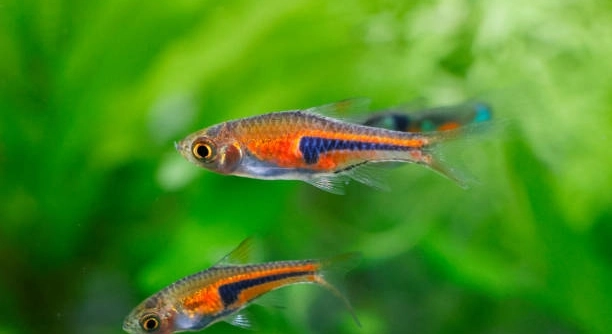
Rasboras are small freshwater fish known for their active and social behavior in home aquariums. Many owners notice these fish often interact with their surroundings in quiet, subtle ways. These little movements can reveal a lot about their natural curiosity.
Rasboras show curiosity through gentle, consistent exploration of their environment. This includes subtle swimming patterns, fin flicks, and close inspection of new objects or changes. Such behaviors indicate an alert and inquisitive nature typical of these species.
Understanding these subtle signs can help fishkeepers better meet the needs of their rasboras and create a more engaging habitat. Observing these behaviors closely adds enjoyment to aquarium care.
Subtle Swimming Patterns
Rasboras often swim in a way that shows their curiosity without being too obvious. They move slowly near new plants or decorations, sometimes circling the area several times. This slow, deliberate swimming helps them learn about their environment safely. You might notice them pausing to hover in place, looking closely at something unfamiliar. These gentle movements are different from their usual quick swimming when startled or feeding. Watching these patterns can give insight into how rasboras explore changes in their tank. The fish seem to test their surroundings carefully before fully interacting. This behavior keeps them alert but calm, allowing them to feel safe while investigating.
This slow swimming near new objects is a clear sign of their cautious curiosity. It helps them understand what is safe to approach.
Noticing these subtle changes in swimming can deepen your appreciation for how sensitive and aware rasboras are. It also shows how they balance curiosity with caution in their small environment.
Fin Flicks as a Sign of Interest
Fin flicks are small, quick movements of a rasbora’s fins. These flicks can show interest in nearby objects or other fish.
Fin flicks usually happen when a rasbora is close to something new or unexpected. The flicking helps the fish get a better sense of what is near without moving its whole body. Sometimes the flick is a way to test water currents or the surface of a new plant. These little motions reveal the fish’s gentle approach to exploring. While it looks minor, fin flicking is a meaningful behavior that shows the rasbora is paying close attention. It is a natural way for them to gather information while staying safe. Watching for these flicks can make aquarium observation more engaging.
Rasboras also flick their fins when interacting socially, showing curiosity about other fish nearby. This behavior helps them learn about their tank mates and maintain social bonds. Overall, fin flicks are a key part of how rasboras quietly explore their environment and communicate interest. Recognizing this subtle cue helps caretakers understand what catches the fish’s attention and how they respond to changes in their habitat. These small fin movements are an important, often overlooked, window into their curious nature.
Close Inspection of New Objects
Rasboras often swim close to new decorations or plants, moving slowly to examine every detail. They seem to take their time to understand the new item’s shape and texture before interacting fully.
This close inspection is a clear sign of curiosity. Rasboras will circle new objects several times, sometimes pausing to hover near them. They use their eyes and small movements to gather information without rushing. This behavior helps them feel safe while learning about changes in their environment. You can see them gently touching plants or stones with their mouths or fins, testing if these objects are harmless. Watching these interactions shows how careful and aware rasboras are when something new enters their tank.
By observing how rasboras explore new objects, you learn more about their natural instincts. It also helps create a tank setup that keeps them interested and comfortable.
Social Exploration Through Group Behavior
Rasboras are schooling fish, so their curiosity often shows in how they interact as a group. They swim closely together, often following one another to investigate changes or new items in their tank.
When one fish approaches a new object, others quickly join to explore as well. This social exploration helps keep the group aware and safe. Watching their synchronized movements reveals how they use curiosity to bond and share information. Their group behavior is a gentle but effective way to satisfy their natural interest in their environment. This collective curiosity helps reduce stress and encourages healthy activity in the tank. Understanding their social habits gives better insight into their behavior and care.
Investigating Water Flow Changes
Rasboras react quickly to shifts in water flow, showing curiosity by adjusting their swimming patterns. They often swim closer to the filter outlet or any new current source.
This behavior helps them understand how water movement affects their environment. It also shows their sensitivity to changes around them.
Following Movement Outside the Tank
Rasboras pay attention to activity outside their tank, often following moving objects or people with their eyes. This behavior reflects their alertness and interest beyond the water.
Tracking movement helps them stay aware of potential changes or threats in their surroundings.
Subtle Changes in Body Posture
Rasboras adjust their body posture when they encounter something new or interesting. They may tilt or angle themselves differently to get a better view or approach cautiously.
These small shifts show their thoughtful approach to exploring and understanding their environment.
What do rasboras do when they are curious?
When rasboras feel curious, they show it through small, gentle behaviors rather than loud or sudden actions. They swim slowly near new objects or changes in the tank, often pausing to look closely. They might flick their fins or slightly change their body angle to get a better look. Rasboras also follow moving things outside the tank, like shadows or people passing by. Their curiosity is quiet but clear, expressed through careful observation and gentle touches. These actions help them learn about their environment without risking danger.
How can I tell if my rasbora is exploring?
Exploration usually looks like slow swimming near new or unusual parts of the tank. Your rasbora might circle a new decoration or plant multiple times, stopping to hover close by. You may notice tiny fin flicks or body tilts as they examine. If they move toward a new current or filter output, that’s also a sign. Rasboras tend to explore as a group, so you might see several fish checking out the same thing together. These behaviors show their natural desire to understand what’s new or changed.
Why do rasboras follow movements outside the tank?
Rasboras are naturally alert fish, and following movement outside their tank helps them stay aware of their surroundings. This behavior is a form of curiosity mixed with caution. By watching shadows, people, or other moving objects, they learn if there is a possible threat or something interesting. It’s their way of keeping track of what’s happening around their home. This behavior can also help keep them mentally active, giving them more stimulation in an otherwise static environment.
Is it normal for rasboras to flick their fins a lot?
Yes, fin flicking is normal and often a sign of interest or curiosity. When a rasbora flicks its fins near a new object or fish, it is testing the water flow or sensing the surface of something unfamiliar. Fin flicks can also be social signals, showing attention to other fish in the group. While it looks small and simple, this movement helps rasboras gather important information about their environment. If the flicking is constant and frantic, it could signal stress, but occasional flicks are normal and healthy.
How do rasboras react to new tank decorations?
Rasboras usually approach new decorations slowly and carefully. They swim close to the object, circle it a few times, and sometimes hover nearby to inspect. They may touch the decoration gently with their mouths or fins to test if it is safe. This behavior shows their natural curiosity balanced with caution. Rasboras want to understand new elements in their environment without risking harm. Over time, as they get used to the decoration, their swimming becomes more relaxed and normal.
Do rasboras show curiosity in groups or alone?
Rasboras are schooling fish, so they often show curiosity together. When one fish approaches something new, others quickly follow to explore as a group. This social exploration keeps them safe and helps share information about their surroundings. However, you may sometimes see a single rasbora investigate quietly on its own, especially if it is more confident or dominant. Watching both group and individual behaviors can help you understand their personality and social dynamics.
Can curiosity be mistaken for stress in rasboras?
Curiosity and stress can sometimes look similar but have key differences. Curious rasboras explore slowly and calmly, with gentle movements like fin flicks or hovering. Stressed fish tend to dart quickly, hide often, or stay near the tank bottom. Curiosity shows interest and alertness without panic. Stress causes erratic or defensive behavior. Knowing these signs helps you respond correctly, whether by providing enrichment or addressing tank conditions to reduce stress.
How does water flow affect rasbora curiosity?
Rasboras are sensitive to water currents and often investigate changes in flow. They may swim near filter outlets or new bubbles to feel the movement and see how it changes their space. This behavior shows their natural curiosity and need to understand their habitat. Proper water flow can encourage healthy activity, while too strong a current may cause them to avoid parts of the tank. Observing their reactions helps create a comfortable environment that keeps them curious and active.
What other behaviors show rasbora curiosity?
Besides swimming patterns and fin flicks, rasboras show curiosity through subtle body posture changes. They might tilt or angle their bodies differently to get a better view or approach carefully. Some rasboras gently nibble or touch objects with their mouths to explore texture. Their eyes often track movement both inside and outside the tank. These small but meaningful behaviors add up to a picture of alert, inquisitive fish always learning about their surroundings. Paying attention to these signs helps you appreciate their natural instincts.
Rasboras are quiet but curious fish that show their interest in many small ways. Watching their subtle behaviors helps us understand how they explore and respond to their environment. These little fish don’t make big moves when they are curious; instead, they swim slowly, flick their fins gently, and carefully inspect new objects. Their curiosity is calm and careful, showing a natural balance between wanting to learn and staying safe. This makes them interesting to observe, especially for those who enjoy paying attention to fine details in fish behavior.
The way rasboras interact with their surroundings shows us how sensitive they are to change. Whether it’s a new plant, decoration, or a shift in water flow, they take their time to examine everything. Their social nature adds another layer to their curiosity, as they often explore together, sharing information and feeling more secure as a group. These small actions tell us a lot about their needs and feelings. By noticing their gentle movements and reactions, we can create a better living space that keeps them healthy and engaged. It also helps build a stronger connection between the keeper and the fish.
Overall, understanding the subtle ways rasboras show curiosity improves how we care for them. It reminds us that even small behaviors have meaning and that these fish are more aware of their world than they might seem. Watching their quiet exploration can be relaxing and rewarding. It encourages us to be patient and thoughtful in setting up and maintaining their tank. In doing so, we support their natural instincts and contribute to their well-being in a simple but meaningful way.

Hello,
If you enjoy the content that we create, please consider saying a "Thank You!" by leaving a tip.
Every little bit helps us continue crafting quality advice that supports the health, happiness, and well-being of pets around the world, for pets of all shapes, sizes, and species.
We really appreciate the kindness and support that you show us!