
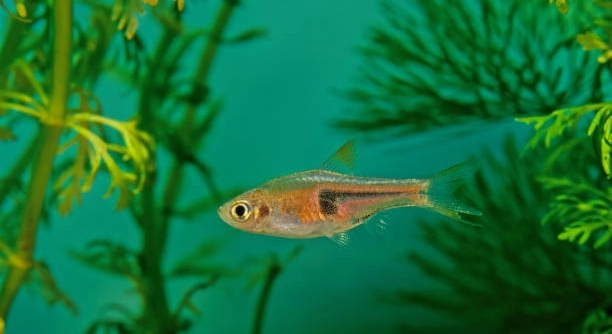
Many aquarists enjoy watching rasboras swim together in schools. When these fish stop schooling, it can feel worrying or confusing. Understanding their behavior helps maintain a healthy and peaceful aquarium environment.
Rasboras may stop schooling due to stress, illness, changes in water quality, or environmental disturbances. Addressing these factors through proper tank maintenance, stable water conditions, and monitoring fish health can encourage them to resume schooling behavior.
Knowing the reasons behind this change can improve your care routine and create a better space for your fish to thrive.
Common Causes for Rasboras Stopping Schooling
Rasboras naturally swim in groups for safety and comfort. When they stop schooling, several factors might be at play. One of the main reasons is stress, often caused by poor water quality or sudden changes in the tank environment. High ammonia or nitrite levels can make fish uneasy. Another factor is illness; infected or injured fish may isolate themselves from the group. Changes in lighting or temperature also impact their behavior. Additionally, if the tank is too small or overcrowded, rasboras might feel unsafe and stop schooling. It’s important to check all these conditions regularly to keep your fish healthy and comfortable. Adjusting water parameters gradually and providing hiding spaces can help reduce stress. Observing their behavior closely will help identify any issues early before the problem worsens.
Regular water tests and tank maintenance are key to preventing schooling problems.
Addressing water quality, tank size, and fish health creates a stable environment that encourages rasboras to swim together naturally.
How to Improve Water Conditions for Better Schooling
Poor water quality affects fish behavior quickly. Maintaining clean water is essential. Regular water changes help keep nitrate and ammonia levels low. Using a reliable filter and avoiding overfeeding also improves water quality. Checking temperature stability prevents sudden stress.
In addition to cleaning, adding plants can improve oxygen levels and provide cover. These conditions make rasboras feel safer and more likely to school. A stable environment supports their natural instincts and overall health. Consistency in care plays a big role in encouraging schooling behavior. Taking simple steps can have a big impact on your tank’s atmosphere and your fish’s happiness.
Monitoring Fish Health Closely
Illness can cause rasboras to stop schooling. Sick fish often separate themselves from the group as a survival instinct. Watch for signs like faded colors, clamped fins, or sluggish movement.
If you notice any of these symptoms, isolate the affected fish to prevent spreading illness. Treating common diseases such as ich or fin rot early improves recovery chances. Maintaining good water quality supports their immune system, making them less prone to illness. Regular observation allows you to catch problems before they affect the entire school. Also, consider quarantine for new fish to avoid introducing disease. Healthy rasboras are more likely to swim together and display natural schooling behavior.
Stress weakens fish and lowers their resistance to infections. Keeping a calm environment with minimal disturbances helps reduce stress and keeps rasboras healthy and active.
Creating a Comfortable Environment
Rasboras feel secure in tanks that mimic their natural habitat. Providing plenty of plants and hiding spots encourages them to stay close. Soft lighting and gentle water flow also help create a calm atmosphere. Avoid sudden changes in tank setup or water parameters, as these can disturb their schooling behavior. Grouping rasboras in schools of at least six reduces fear and promotes social interaction.
A peaceful environment reduces stress and helps fish feel safe. Comfortable fish are more likely to behave naturally and swim together. Small adjustments in tank decoration and routine care can make a noticeable difference in their schooling habits. Consistency is important to maintain their comfort over time.
Adjusting Tank Size and Population
A tank that is too small can cause stress and disrupt schooling. Ensure there is enough space for your rasboras to swim comfortably. Overcrowding also leads to competition and aggression, which may stop schooling behavior.
Providing a suitable tank size and keeping a proper number of fish helps maintain harmony. Rasboras need room to move as a group without feeling threatened.
Feeding and Nutrition Tips
Balanced nutrition supports overall health and activity levels in rasboras. Feeding a varied diet with quality flakes, pellets, and occasional live or frozen foods keeps them energetic. Avoid overfeeding, which can pollute the water and cause stress.
Proper feeding helps fish maintain strength, encouraging normal schooling behavior and interaction with the group.
Lighting Considerations
Lighting affects fish behavior and mood. Keep lighting consistent and avoid harsh or overly bright lights. Soft, natural lighting replicates their environment better and encourages calm schooling.
Adjusting light intensity and duration can help rasboras feel more comfortable and behave naturally.
FAQ
Why do rasboras stop schooling suddenly?
Rasboras may stop schooling suddenly due to stress from changes in water quality, temperature fluctuations, or illness. Sudden loud noises or tank disturbances can also frighten them. When their environment feels unsafe, they may isolate themselves to avoid perceived threats. Checking water parameters and observing behavior closely helps identify the cause.
How many rasboras should I keep to encourage schooling?
Rasboras feel most comfortable schooling in groups of six or more. Smaller groups may make fish nervous and less likely to swim together. A larger group provides safety and social interaction, which naturally encourages schooling behavior. Keeping at least six helps maintain their natural instincts.
Can water temperature changes affect schooling?
Yes, sudden or extreme water temperature changes can cause stress and disrupt schooling. Rasboras prefer stable temperatures, usually between 72°F and 79°F (22°C–26°C). Temperature swings can weaken their immune system, making them less active and more likely to separate from the group.
What signs of illness should I watch for in rasboras?
Look for faded colors, torn fins, white spots, clamped fins, or unusual swimming patterns. Lethargy and loss of appetite are also common signs. Early detection allows for quicker treatment and reduces stress on the entire school.
How often should I change the water to keep rasboras healthy?
Changing 20-30% of the water weekly is generally recommended. Regular water changes help remove toxins and keep the environment stable. Overfeeding or poor filtration may require more frequent changes to maintain quality.
Does tank size impact schooling behavior?
Yes, a tank that is too small can limit space for schooling and cause stress. A minimum of 20 gallons is often suggested for a small group of rasboras. Providing enough room lets them swim freely together, promoting natural behavior.
Can adding plants help rasboras school better?
Yes, live plants create hiding places and reduce stress, making rasboras feel safer. This encourages them to stay close and school naturally. Plants also improve water quality by adding oxygen and absorbing nitrates, which benefits fish health.
Should I quarantine new rasboras before adding them to my tank?
Quarantining new fish for at least two weeks is a good practice. It prevents the introduction of diseases or parasites that could affect your current school. Observing new fish in a separate tank ensures they are healthy before joining the main group.
How can I reduce stress in my rasbora tank?
Keep the environment stable by avoiding sudden changes in water conditions, lighting, or tank setup. Minimize loud noises and vibrations near the tank. Provide hiding spots and maintain proper tank mates to prevent aggression. A calm setting encourages natural schooling.
Is it normal for rasboras to school less during breeding?
Yes, during breeding, rasboras sometimes separate to find safe spots for laying eggs. Males may also become territorial. After spawning, they usually return to schooling behavior. Watching for this helps understand natural changes in their behavior.
Can poor diet cause rasboras to stop schooling?
A poor diet can weaken rasboras, making them less active and more prone to illness, which might disrupt schooling. Feeding a balanced diet with variety supports their energy and social behavior. Avoid overfeeding to maintain water quality.
What should I do if rasboras stop schooling due to illness?
Isolate the sick fish and treat with appropriate medication based on symptoms. Improve water quality and monitor the entire group for signs of infection. Early treatment reduces stress and helps restore schooling behavior.
Are tank mates important for rasbora schooling?
Yes, compatible tank mates reduce stress and allow rasboras to feel safe. Aggressive or overly active fish can disturb schooling. Choose peaceful species that do not compete for space or food to maintain a stable group dynamic.
Can water hardness affect rasbora schooling?
Water hardness influences fish comfort but usually does not directly affect schooling. However, drastic changes can stress rasboras. Keeping water parameters consistent and within their preferred range supports their health and social behavior.
How long does it take for rasboras to start schooling after a disruption?
Recovery time varies depending on the cause. If the environment is stable and stressors removed, rasboras may resume schooling within a few days to a week. Persistent issues like illness or poor water conditions can delay this.
Is lighting important for maintaining schooling?
Yes, consistent and gentle lighting helps keep rasboras calm and encourages natural behavior. Sudden changes or overly bright lights may stress fish, causing them to scatter instead of schooling. Aim for a balanced light cycle.
Final Thoughts
Rasboras are peaceful fish that naturally enjoy swimming together in schools. When they stop schooling, it is often a sign that something in their environment needs attention. Stress, illness, water quality issues, or tank conditions can all cause this change in behavior. By paying close attention to their tank and routine care, you can often identify and fix the problem before it becomes serious. Keeping water clean, stable, and within the right temperature range is essential. A well-maintained tank supports healthy fish and encourages them to swim as a group again.
It is also important to consider the social needs of rasboras. These fish thrive in groups, so keeping enough individuals together helps reduce stress and supports their natural schooling instinct. Tank size and decoration matter, too. Providing enough space and plenty of hiding spots makes them feel safe. Soft lighting and gentle water flow create a calm environment where rasboras are more comfortable. Changes to the tank should be gradual to avoid startling the fish or upsetting their routine. Regular observation helps spot any health issues early, allowing for quick treatment.
Taking good care of rasboras is about more than just feeding and cleaning. It means creating a balanced, peaceful habitat where the fish feel secure. When conditions are right, rasboras will school naturally and show their best colors and behavior. If they stop schooling, it is a signal to review their environment and care. With patience and attention, you can help your rasboras regain their schooling behavior and enjoy watching them thrive in a healthy aquarium.

Hello,
If you enjoy the content that we create, please consider saying a "Thank You!" by leaving a tip.
Every little bit helps us continue crafting quality advice that supports the health, happiness, and well-being of pets around the world, for pets of all shapes, sizes, and species.
We really appreciate the kindness and support that you show us!