
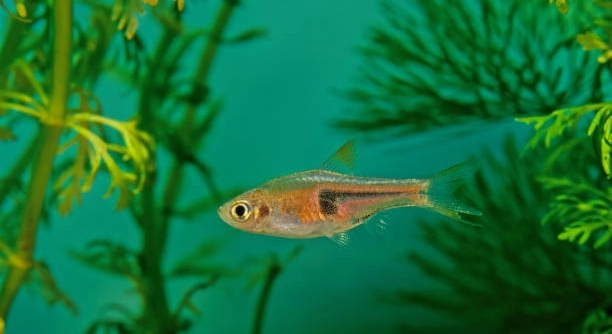
Rasboras are small, colorful fish often kept in home aquariums. Many fish owners wonder how these delicate creatures react to sounds in their environment. Human voices are one type of sound that may influence their behavior.
Rasboras show measurable responses to human voices, often altering their swimming patterns and activity levels. These reactions vary depending on the tone and volume, indicating that rasboras can detect and respond to auditory stimuli in their surroundings.
Understanding how rasboras react to voices helps improve their care and creates a more harmonious aquarium environment for both fish and owners.
How Rasboras Hear Human Voices
Rasboras rely on their lateral line system and inner ears to detect vibrations and sounds in water. Unlike humans, they do not hear through ears in the usual sense but sense pressure changes. When a human speaks near the aquarium, sound waves travel through the air and water, stimulating these sensory organs. The sensitivity of rasboras to these vibrations means they can distinguish different sounds, including the tone and intensity of human voices. This allows them to recognize familiar voices or sudden loud noises. However, their response is more about detecting vibrations than understanding speech. Their reactions may include changes in swimming speed, hiding, or increased alertness. This ability helps them stay aware of potential threats or changes in their environment, contributing to their survival instincts.
The way rasboras sense sound differs significantly from mammals, relying more on water vibrations than direct auditory processing.
Their hearing adaptation suits their underwater environment, allowing them to remain alert to subtle changes that could indicate danger or new stimuli, including human presence.
Behavioral Changes to Human Voices
Rasboras often change their behavior when they detect human voices, showing signs of stress or curiosity depending on the context. They may swim faster or seek shelter when voices are loud or sudden. Conversely, calm and consistent speaking tones can sometimes soothe them, leading to more relaxed swimming patterns. These reactions are tied to their survival instincts, as sudden noises often signal predators in the wild. Over time, rasboras kept in quiet, stable environments may become less reactive to human voices, indicating some level of habituation. The volume and pitch of the voice also matter, with higher volumes generally causing more noticeable changes. Understanding these behaviors helps aquarium owners create a better living space for their fish by managing noise levels and interaction styles.
Regular exposure to gentle voices may help rasboras feel more comfortable and less stressed.
It is important to observe your fish’s reactions and adjust how you interact with them to promote their well-being in captivity.
How to Speak Around Rasboras
Speaking softly near your aquarium can help reduce stress for your rasboras. Loud or sudden noises may startle them, causing erratic swimming or hiding behavior. Keeping your voice calm creates a more peaceful environment.
Gentle voices produce fewer vibrations, allowing rasboras to feel safer. Sudden loud sounds can trigger their natural defense mechanisms, which include rapid movements or seeking cover. By lowering your voice and avoiding shouting or banging on the tank, you help your fish remain calm. Consistent, quiet speaking may even help them recognize familiar sounds, contributing to a stable environment.
It is important to note that rasboras do not understand words but respond to the tone and volume. So, your calm tone, even without meaning, communicates safety. Over time, your voice may become part of their routine, encouraging normal behavior and less stress in their habitat.
Effects of Human Presence Beyond Voices
Human presence near the aquarium also influences rasbora behavior through visual and vibrational cues. Movement and shadows cast on the tank can make them more alert or nervous. Quiet, slow movements help minimize disturbance, allowing the fish to swim more naturally.
Rasboras are sensitive to changes around their environment, including the presence of people. Standing close to the tank or tapping on the glass can cause stress. When you approach calmly, they tend to remain less anxious, showing more natural activity. Repeated gentle interactions help them adapt, but sudden or aggressive actions may cause long-lasting fear responses. Observing their reactions to your presence helps ensure you create a comfortable habitat.
Signs Rasboras Are Reacting to Voices
Rasboras may display quick swimming or darting when they hear loud voices. They also sometimes hide among plants or decorations after sudden noises. These behaviors signal they are aware and possibly stressed by the sound.
Watching for these signs helps determine how your fish feel about your voice. Calm behavior means they are comfortable, while frequent hiding indicates discomfort. Adjusting noise levels can improve their well-being.
Adjusting Aquarium Noise Levels
Reducing background noise and speaking softly near the tank can create a calm environment. Limiting sudden loud sounds helps maintain steady behavior in rasboras. Avoid tapping on the glass or shouting around the aquarium to prevent stress.
Common Mistakes with Noise
Many owners underestimate how much sound travels through water. Talking loudly or banging on the tank can easily upset rasboras, even if unintentional. Recognizing this helps protect their comfort.
Creating a Peaceful Space
Position the aquarium away from high-traffic or noisy areas. This reduces unexpected sounds and vibrations that might disturb your fish.
FAQ
Do rasboras recognize their owner’s voice?
Rasboras do not understand words but can recognize the tone and consistency of voices they hear often. Familiar, calm voices may make them less startled over time. This recognition comes from repeated exposure, helping the fish feel more secure in their environment.
Can loud talking harm rasboras?
Loud talking creates strong vibrations and noise in the water that can stress rasboras. Stress weakens their immune system and affects their behavior, causing hiding or frantic swimming. Keeping voices soft near the aquarium helps avoid unnecessary stress and supports their health.
Why do rasboras dart away when I speak?
Sudden noises or louder voices trigger a natural defense reaction. In the wild, unexpected sounds often mean predators are nearby. Darting away or hiding is their instinct to avoid danger, even if the noise is just a human voice.
Is it okay to talk to my rasboras?
Talking softly is generally fine and may even help your rasboras become accustomed to your presence. However, avoid shouting or loud noises. Calm, steady speech creates a stable environment, reducing stress and encouraging normal swimming behavior.
Do all fish respond to human voices the same way?
No, different species react differently based on their hearing abilities and natural behaviors. Rasboras are more sensitive to vibrations than some fish. Some species may ignore voices, while others show stress or curiosity. Knowing your fish’s species helps tailor how you interact with them.
How can I tell if my rasboras are stressed by noise?
Signs of stress include hiding often, frantic swimming, loss of appetite, or faded coloration. If you notice these behaviors increase after loud talking or noises near the tank, it is likely your rasboras are uncomfortable. Reducing noise can help them recover.
Does playing music near the tank affect rasboras?
Music creates vibrations that rasboras can sense. Some types of music, especially loud or bass-heavy sounds, may stress them. Soft, calm music at low volume is less likely to disturb. It’s best to observe your fish’s behavior and adjust accordingly.
Can rasboras get used to noise over time?
Yes, rasboras can habituate to regular, gentle sounds if they are not sudden or loud. Gradual exposure to voices and household noise helps them remain calm. However, unpredictable loud noises should still be avoided to prevent stress.
Is tapping on the glass harmful?
Tapping causes strong vibrations and sudden noise that frighten rasboras. This behavior should be avoided as it can lead to chronic stress. Instead, try approaching the tank calmly and avoid any sudden physical disturbances.
Should I speak to my rasboras daily?
Regular, soft interaction may help your rasboras recognize your presence and reduce stress. While they don’t understand words, the sound of your voice and your calm approach can contribute to a peaceful environment.
What volume is safe when talking near an aquarium?
A low, quiet voice is safest. Avoid shouting or speaking loudly close to the tank. The water amplifies vibrations, so even moderate volumes may feel intense to your fish. Speaking calmly from a short distance is best.
How close should I be when talking to rasboras?
You don’t need to be very close. Standing a few feet from the tank while speaking softly reduces strong vibrations. This distance balances interaction with comfort, helping rasboras remain calm.
Can human voices affect breeding behavior?
Excessive noise or sudden loud sounds may disrupt breeding by causing stress. Calm environments with minimal disturbances support natural breeding behaviors in rasboras, so it’s important to maintain quiet during this time.
Are there other ways to communicate with rasboras?
Besides sound, rasboras respond to visual cues and gentle movements near the tank. Feeding times and consistent routines also build recognition. Using a calm approach and predictable actions helps build trust and reduce stress.
How do rasboras react to children’s voices?
Children’s voices tend to be higher-pitched and louder, which can startle rasboras more than adult voices. Teaching children to speak softly and move calmly near the aquarium helps protect the fish’s well-being.
Can I use voice recordings to interact with my rasboras?
Voice recordings may produce similar vibrations, but the lack of a human presence can confuse the fish. Live, calm interaction is preferable for reducing stress and supporting natural behavior.
Is silence better than talking around the aquarium?
Silence reduces vibrations and stress, but regular soft talking can help rasboras become accustomed to human presence. The key is avoiding loud or sudden noises, not necessarily avoiding sound altogether.
Rasboras are sensitive fish that respond to the sounds and vibrations in their environment. Human voices, in particular, can influence their behavior because these fish detect vibrations through their lateral line system. While they do not understand speech, rasboras can sense the tone, volume, and consistency of sounds near their aquarium. This sensitivity means that loud or sudden noises may startle them, causing stress or changes in their swimming patterns. On the other hand, soft and calm voices often create a more peaceful environment that helps rasboras feel safer. Understanding this helps aquarium owners provide better care by managing how they speak and behave around their fish.
It is important to pay attention to how your rasboras react to human voices and other noises. Signs of stress include hiding, frantic swimming, or loss of appetite. These behaviors indicate that the fish feel uncomfortable or threatened by the sounds around them. Reducing loud talking, sudden noises, or tapping on the aquarium glass can help minimize stress. Creating a calm and quiet environment supports the health and natural behavior of rasboras. Over time, they may get used to gentle voices and regular human presence, which can improve their overall well-being. This simple adjustment in how you interact with your fish can make a significant difference.
Taking care of rasboras means not only providing clean water and proper food but also considering their sensory needs. Speaking softly, avoiding sudden loud noises, and minimizing vibrations near the tank help create a stable habitat. This promotes normal swimming, feeding, and social behavior. While rasboras do not understand words, they do respond to the sounds and rhythms of human voices in ways that impact their comfort. Being mindful of these factors allows for a better relationship between you and your fish, making the aquarium a more enjoyable place for both. Providing a quiet and calm space is a key part of responsible rasbora care.

Hello,
If you enjoy the content that we create, please consider saying a "Thank You!" by leaving a tip.
Every little bit helps us continue crafting quality advice that supports the health, happiness, and well-being of pets around the world, for pets of all shapes, sizes, and species.
We really appreciate the kindness and support that you show us!