
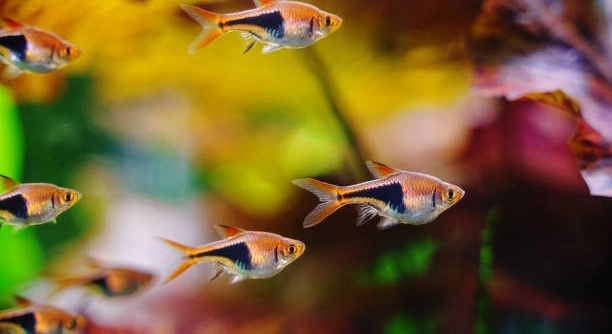
Do you ever find yourself watching your rasbora and wondering if something might be off about its usual energy or behavior?
Rasboras often show signs of distress through changes in swimming patterns, coloration, and appetite. These subtle shifts are key indicators that your fish may no longer be comfortable in its environment.
Spotting the early signs can help prevent further stress and keep your rasbora thriving in your aquarium.
Your Rasbora Is Hiding More Than Usual
When rasboras start hiding more than they used to, it can be a sign of stress. These fish are usually active, swimming in groups and exploring their tank. If one begins spending most of its time behind decorations or in corners, it may be reacting to something in its environment. This behavior can be triggered by sudden changes in water conditions, aggressive tank mates, or even a lack of shelter that makes them feel exposed. Sometimes, it’s not one issue but a mix of small problems building up. Rasboras are sensitive to their surroundings, so it’s important to pay attention to these shifts. Regular water testing, ensuring proper tank mates, and providing enough plant cover can help reduce this behavior. Don’t ignore these changes, even if your fish still looks healthy on the outside—prolonged stress can lead to health problems over time.
A rasbora that hides for hours isn’t just resting—it’s avoiding something that doesn’t feel right.
Watch for changes in when and where your rasbora hides. If it’s not following the group or becomes unusually still, this behavior may point to discomfort. Consider reviewing your tank’s water parameters and layout to support a more comfortable environment.
Color Loss in Rasboras Shouldn’t Be Ignored
A fading rasbora can be reacting to poor water quality, stress, or illness. Their colors often reflect their general well-being, and dullness isn’t just cosmetic—it usually means something is off.
Rasboras are known for their vibrant shades, especially under the right lighting and in a calm setting. If your fish begins to lose its color, it’s a good idea to check several factors. Start with water conditions—elevated ammonia or nitrites can affect their health quickly. Next, look at diet. A poor-quality or unvaried diet can cause a lack of essential nutrients that support healthy pigmentation. Stress is another key cause. This might come from sudden tank changes, loud environments, or the presence of aggressive species. Sometimes, color loss also shows up when a fish is sick but hasn’t shown other symptoms yet. Isolating the problem early helps avoid more serious issues later. Make small, consistent improvements and give your rasbora time to recover.
Your Rasbora Stops Eating Without Explanation
Loss of appetite in rasboras usually means something is wrong. It can happen gradually or all at once. Poor water conditions, stress, or illness are the most common causes. A rasbora that skips meals for more than a day needs attention.
Start by checking your tank’s temperature and water parameters. Cold water can slow their metabolism, and spikes in ammonia or nitrites can make them feel unwell. Next, observe how the fish acts around feeding time. Is it showing interest but not eating? That might point to internal issues or stress. Try offering smaller amounts of high-quality food or a variety of options like frozen or live choices. Sometimes, a rasbora may ignore food if bullied or crowded by other fish. Separating it or rearranging tank decor might help reduce anxiety. Never force food—fixing the environment is the first step to getting their appetite back.
If your rasbora used to eat eagerly and now avoids food completely, it could be fighting something internally. Illnesses like parasites or infections often begin with small behavioral changes. Don’t wait too long to act. Make sure your tank is clean, quiet, and properly balanced. A few small changes can often bring noticeable results within days.
Your Rasbora Is Swimming in Odd Patterns
Unusual swimming behavior, like rapid darting, spinning, or staying near the surface or bottom, often signals stress or illness. These actions aren’t random—they’re a sign your rasbora doesn’t feel safe or comfortable in its environment.
Start by testing the water. Imbalanced pH, low oxygen levels, or high toxins can affect their movement. If the water checks out, observe their tank mates. Are they being chased or nipped at? Aggression can cause erratic swimming. Sometimes, these patterns also hint at a swim bladder issue, which affects how they float. Feeding peas (without skin) occasionally helps if the issue is digestion-related. Don’t overlook lighting and tank noise either—sudden bursts of light or loud sounds can cause panic. Keep the tank calm and consistent. If the odd behavior continues, consider isolating the rasbora to watch for other symptoms or signs of injury that might be harder to catch at first glance.
Your Rasbora Is Gasping Near the Surface
This usually means there’s not enough oxygen in the tank. Warm water holds less oxygen, and poor filtration or overcrowding can make it worse. Immediate action is needed to avoid further stress or health problems.
Check your filter, lower the water temperature slightly, and increase surface agitation. Adding an air stone can also help.
Your Rasbora Has Started Nipping or Acting Aggressive
Rasboras are peaceful, but stress can cause changes in behavior. If they’re nipping or chasing others, it could mean they feel unsafe or confined. Crowded tanks, poor water quality, or sudden changes can make them act out.
Aggression in rasboras doesn’t always look obvious at first. It might start with light chasing or short bursts of nipping, especially during feeding time or when establishing space. Watch for signs of fin damage in other fish. A stressed rasbora may lash out if it lacks personal space or feels threatened by larger or faster tank mates. Make sure the tank isn’t overstocked and that hiding spots are evenly spaced. Rearranging decor can help break up tension. If one rasbora keeps acting aggressive, consider separating it temporarily and reviewing your stocking levels. Small adjustments often help restore their calm nature and prevent long-term behavioral issues.
Your Rasbora Is Separating From the Group
When a rasbora separates itself from the group, it often means something is wrong. These fish are schooling by nature and rarely isolate themselves unless stressed or unwell.
How can I tell if my rasbora is stressed?
Signs of stress in rasboras include hiding more than usual, loss of appetite, color fading, and unusual swimming patterns. They might also separate from the group or gasp near the surface. Stress often comes from poor water quality, aggressive tank mates, overcrowding, or sudden changes in the tank environment. It’s important to observe these behaviors early to make necessary adjustments.
What should I do if my rasbora stops eating?
First, test the water for temperature, pH, ammonia, nitrites, and nitrates. Correct any imbalances immediately. Offer a variety of foods, including high-quality flakes, frozen, or live options, in small amounts. Avoid feeding too much at once, which can worsen water quality. If your rasbora continues to refuse food for more than a couple of days, consider isolating it to monitor for other symptoms and reduce stress from tank mates.
Why is my rasbora losing color?
Color loss often signals stress, poor water quality, or nutritional deficiencies. Ensure your tank water is clean and stable. Check for signs of illness and improve diet by offering foods rich in carotenoids or natural pigments. Sometimes, changes in lighting or the environment can also affect their coloration.
What causes a rasbora to gasp at the water surface?
Gasping usually means the water is low in oxygen. Warm water holds less oxygen, and overcrowding or inadequate filtration can worsen this. Increase surface agitation, lower the water temperature if possible, and add aeration devices like air stones to improve oxygen levels. Regular water changes help maintain oxygen balance.
Can tank mates affect my rasbora’s happiness?
Yes. Aggressive or overly active tank mates can stress rasboras, causing hiding, color loss, or aggression. Keep peaceful, similarly sized fish in the tank and avoid overcrowding. Provide plenty of hiding spots to help rasboras feel secure. Rearrange the tank layout if aggression appears.
How important is water quality for rasboras?
Water quality is critical. Poor water conditions cause stress and disease. Keep ammonia and nitrite levels at zero, nitrates below 20 ppm, and maintain a stable pH around 6.5 to 7.5. Regular testing, water changes, and a good filtration system are essential to keep your rasbora healthy.
What should I do if my rasbora swims oddly?
Unusual swimming—like darting, spinning, or floating near the surface—can be a sign of illness or stress. Check water parameters first. Look for bullying by other fish or injury. If the behavior continues, consider feeding shelled peas to help with digestion or isolating the fish to monitor symptoms.
Is it normal for rasboras to separate from their group sometimes?
Not usually. Rasboras are schooling fish and feel safer in groups. If one isolates itself, it might be sick, stressed, or weak. Watch for other signs like color loss or inactivity. Providing proper tank conditions and removing stressors can help your fish rejoin the group.
How do I prevent my rasbora from becoming unhappy?
Maintain stable water conditions, avoid overcrowding, provide plenty of hiding spots, and keep peaceful tank mates. Feed a balanced diet and monitor behavior regularly. Small changes in the tank environment or routine can cause stress, so keep conditions consistent.
When should I seek professional help for my rasbora?
If your rasbora shows persistent symptoms such as refusal to eat, color fading, unusual swimming, or prolonged hiding despite correcting water conditions, it may need treatment. Consult a veterinarian or an experienced aquarist for advice on medications or specialized care. Early intervention improves chances of recovery.
Taking care of rasboras means paying attention to the small signs they show when something is wrong. These fish are sensitive to changes in their environment, so even minor problems can affect their mood and health. Watching how they swim, eat, and interact with other fish can help you spot early clues that your rasbora isn’t happy anymore. Being proactive about their needs is the best way to keep them healthy and lively in your aquarium.
Maintaining good water quality is one of the most important things for rasboras. Regularly checking water parameters like temperature, pH, ammonia, nitrites, and nitrates helps avoid many common problems. Overcrowding and poor filtration can quickly lead to stress, which affects their behavior and immune system. Providing enough space, hiding spots, and keeping the tank clean makes a big difference. When your rasbora looks bright and active, it usually means the tank environment is right for them.
If you notice changes like hiding, loss of appetite, color fading, or odd swimming, don’t ignore these signs. They often point to stress or illness that can worsen if not addressed. Small changes in diet, tank setup, or water conditions can help your rasbora recover. Sometimes, isolating a sick fish gives it a chance to get better without pressure from tank mates. Taking care of rasboras is about patience and attention, and with the right approach, you can enjoy their beauty and activity for a long time.

Hello,
If you enjoy the content that we create, please consider saying a "Thank You!" by leaving a tip.
Every little bit helps us continue crafting quality advice that supports the health, happiness, and well-being of pets around the world, for pets of all shapes, sizes, and species.
We really appreciate the kindness and support that you show us!