
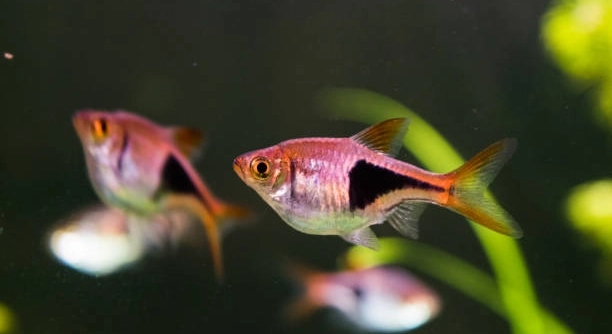
Keeping a Rasbora tank clean is important for their health and happiness. Proper tank cleaning helps maintain good water quality and reduces harmful bacteria. This article will cover simple habits to make tank care easier and better for your fish.
Regular tank cleaning involves removing debris, changing water partially, and gently scrubbing surfaces without disturbing the fish. These habits help keep water parameters stable, prevent algae buildup, and promote a healthy environment for Rasboras to thrive.
Following these habits can improve your Rasboras’ well-being and reduce common tank problems. Learning the right cleaning routines makes tank care more manageable and effective.
Regular Partial Water Changes
Changing part of the water regularly is essential for Rasbora tanks. It helps remove toxins like ammonia and nitrites that build up over time. A good routine is to change about 20-30% of the water every week. Using a siphon can make this task easier by removing debris from the gravel while you clean. It’s important to treat tap water with a water conditioner before adding it back to the tank. This removes harmful chemicals like chlorine. Keeping the water fresh helps keep your fish healthy and active. Skipping or delaying water changes can cause stress and illness for your Rasboras. A clean tank means cleaner water and a happier environment.
Regular water changes improve water clarity and fish health, making your tank a better place for Rasboras to live.
Consistency in partial water changes is key to maintaining stable water quality. It reduces the buildup of waste and prevents harmful spikes in toxins. Changing only part of the water keeps beneficial bacteria intact, which helps break down fish waste naturally. If the entire tank is cleaned too often or water is changed completely, it can disturb this balance and cause stress to your fish. Using a gravel vacuum during water changes removes leftover food and waste trapped in the substrate. This stops decay that can pollute the water. Remember to match the new water temperature to the tank to avoid shocking your fish. Following these steps keeps your tank healthy and your Rasboras comfortable.
Gentle Cleaning of Tank Surfaces
Cleaning the glass and decorations without harsh chemicals is important to avoid harming your fish.
Using an algae scraper or soft sponge, gently remove algae buildup on the glass. Be careful not to scratch the surface. Clean decorations with warm water only, avoiding soaps or detergents. These can leave residues that are dangerous for your fish. Avoid over-cleaning, as some algae and biofilm are natural and beneficial. Keeping surfaces clear improves light penetration and keeps the tank looking nice without stressing the fish. This simple step supports a balanced tank environment and prevents excess algae growth.
Monitoring Water Parameters
Keeping track of water parameters like pH, ammonia, nitrite, and nitrate levels is crucial for Rasbora health.
Regular testing with reliable kits helps detect changes early before they harm your fish. Rasboras prefer slightly acidic to neutral pH, usually between 6.0 and 7.5. Ammonia and nitrite should always be at zero, while nitrate levels must stay low, ideally below 20 ppm. Sudden shifts can stress your fish and lead to illness. Testing weekly or biweekly is enough if you maintain a stable tank. Record the results to spot trends and adjust care routines as needed. This practice supports a healthy, balanced environment.
If water tests show problems, immediate partial water changes can correct them. Avoid adding chemicals that claim to fix everything; focus on maintaining cleanliness and balance. Consistent monitoring combined with proper cleaning creates a safer space for Rasboras to thrive.
Avoiding Overfeeding
Overfeeding causes water pollution and health problems for your Rasboras.
Feed only what your fish can eat in two minutes, once or twice a day. Leftover food decomposes, releasing harmful substances that degrade water quality. It also encourages algae growth, which can be hard to control. Using a feeding ring or small amounts of food helps keep the tank clean. Pay attention to your fish’s behavior and appetite, adjusting portions if needed. Feeding less often is better than too much, as Rasboras can go without food for short periods safely.
Proper feeding habits reduce waste buildup and help maintain clearer water. Healthy water supports your Rasboras’ immune systems, keeping them lively and colorful. Keeping control of feeding also means less frequent cleaning and better tank stability overall.
Using a Proper Filter
A good filter is essential for keeping Rasbora tanks clean and healthy.
It removes waste and helps maintain water quality by cycling harmful substances into less toxic forms.
Avoiding Strong Water Currents
Rasboras prefer gentle water flow. Strong currents stress them and can make swimming difficult. Choose a filter with adjustable flow or add decorations to slow down the water. Keeping the current calm helps your fish stay comfortable and reduces their stress levels.
Cleaning Filter Media Carefully
Filter media collects waste and beneficial bacteria. Rinse it gently in tank water during maintenance to keep bacteria alive. Avoid cleaning with tap water or replacing all media at once. Proper care ensures the filter works efficiently and supports stable water conditions for Rasboras.
FAQ
How often should I clean my Rasbora tank?
Cleaning frequency depends on tank size and stocking levels, but a general rule is to do partial water changes weekly. Lightly clean decorations and glass as needed, usually every two weeks. Avoid deep cleanings too often to preserve beneficial bacteria. Regular monitoring of water clarity and parameters will help decide if extra cleaning is needed.
Can I use tap water for water changes?
Tap water is fine if treated properly. Use a water conditioner to remove chlorine and chloramine before adding it to the tank. Also, match the temperature of new water to the tank to avoid shocking your Rasboras. Let the treated water sit for a few minutes before adding it.
Is it necessary to clean the substrate?
Yes, but gently. Using a gravel vacuum during water changes removes uneaten food and waste trapped in the substrate. This prevents harmful bacteria growth and keeps water quality stable. Avoid disturbing the substrate too much, as it can stress your fish and release toxins.
Why is algae growing in my tank?
Algae growth is natural but can be caused by excess light or nutrients from overfeeding. Keeping a balanced feeding routine and controlling light exposure helps reduce algae. Cleaning glass and decorations regularly also keeps algae under control without harming your Rasboras.
What kind of filter is best for Rasboras?
A filter with gentle water flow is best since Rasboras prefer calm water. Sponge filters or adjustable power filters work well. The filter should be efficient enough to maintain water quality without creating strong currents.
How do I prevent stress during cleaning?
Clean slowly and avoid disturbing the fish too much. Remove only a portion of the water at a time, and clean decorations gently. Avoid using harsh chemicals or soaps, and keep the tank environment stable. A calm approach helps reduce stress.
Can I clean the filter media with tap water?
No, avoid tap water as it contains chlorine that kills beneficial bacteria. Instead, rinse filter media in a bucket of tank water during water changes. This preserves the bacteria essential for breaking down waste.
What temperature should the water be for Rasboras?
Rasboras thrive in water between 72°F and 79°F (22°C–26°C). Keeping a stable temperature within this range supports their health and activity.
How much food should I give my Rasboras?
Feed only what they can finish in two minutes, once or twice a day. Overfeeding leads to water pollution and health issues. Adjust feeding amounts based on their appetite and tank conditions.
Is it okay to clean the whole tank at once?
No, cleaning the entire tank at once can disturb beneficial bacteria and cause stress. Partial water changes and spot cleaning are better to maintain balance. Deep cleaning should only be done when necessary and carefully.
Taking care of a Rasbora tank requires consistent effort and attention to detail. The habits you develop around cleaning and maintenance greatly affect the health of your fish. Regular partial water changes, gentle cleaning of surfaces, and proper filter care all work together to keep the tank environment stable. By maintaining good water quality, you help prevent common problems like algae buildup, poor oxygen levels, and toxic waste. These simple steps make a big difference in how your Rasboras live and thrive.
Feeding habits also play a major role in keeping the tank clean and safe. Overfeeding can quickly lead to dirty water and stressed fish. It is important to feed your Rasboras small amounts that they can eat quickly. This reduces leftover food that pollutes the water and encourages unwanted algae growth. When combined with proper cleaning routines, careful feeding supports a healthy balance in the tank. Taking the time to monitor water parameters helps catch problems early, so you can act before they become serious.
Overall, a well-maintained Rasbora tank is easier to manage and more enjoyable to watch. When the water is clean and conditions are right, Rasboras display their best colors and behaviors. Keeping a calm water flow and providing a stress-free environment helps these small fish feel safe. Remember that keeping up with cleaning habits and monitoring your tank regularly prevents many issues. These efforts protect your fish and create a peaceful, beautiful aquarium you can be proud of.

Hello,
If you enjoy the content that we create, please consider saying a "Thank You!" by leaving a tip.
Every little bit helps us continue crafting quality advice that supports the health, happiness, and well-being of pets around the world, for pets of all shapes, sizes, and species.
We really appreciate the kindness and support that you show us!