
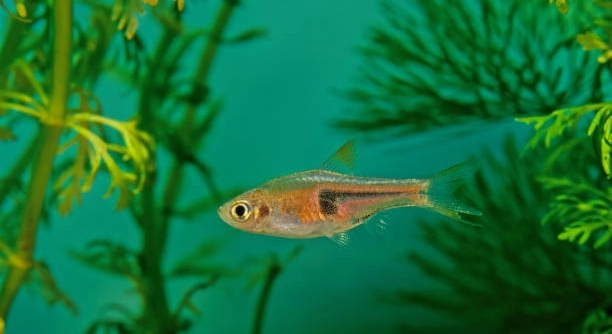
Have you ever set up a beautiful aquarium, only to worry later about how your lighting might affect your fish? Lighting plays a big role in aquarium care, and it can even impact your rasboras’ well-being.
Rasboras cannot get sunburned from standard aquarium lights, as these lights do not emit the level of ultraviolet radiation necessary to cause such damage. Their natural behavior and tank conditions offer further protection from light-related stress.
Understanding how aquarium lighting affects your rasboras will help you create a safe and comfortable space where they can thrive.
How Lighting Affects Rasboras
Rasboras are tropical fish that live in shaded freshwater environments in the wild. In aquariums, lighting helps support their day-night cycle and highlights their colors. However, strong or poorly placed lighting can lead to stress, not sunburn. These fish naturally avoid harsh brightness by swimming in dimmer areas or hiding among plants. Standard aquarium lights, especially LEDs, usually do not emit UVB rays strong enough to damage their skin. Most cases of irritation or strange behavior under bright lights are more likely due to environmental stress, not a direct physical burn. Keeping lighting gentle and using plants or décor helps balance their needs. Light timers can also mimic natural cycles and support their health over time. Avoiding intense or prolonged lighting is key when setting up a rasbora tank, especially in smaller aquariums. They prefer a calm, low-glare space where they feel secure and can display natural behaviors without stress.
Sudden changes in light levels can scare them and affect their eating or swimming patterns. A gradual light transition is better.
If your rasboras seem to hide often, move erratically, or show faded colors, it could be linked to lighting discomfort. While they won’t get sunburned, they can still react to too much exposure. Using floating plants or low-light setups often helps.
Choosing the Right Aquarium Light
Rasboras do best in low to moderate light conditions. Bright, direct lighting can make them feel exposed, especially in tanks without plants or hiding spots.
When picking lights for your rasbora tank, it’s important to think about both brightness and duration. Aim for a gentle spectrum with enough brightness to see your fish clearly, but not so much that it causes stress. Full-spectrum LEDs with a soft white or slightly warm tone tend to be a good fit. Avoid reef or plant-specific lights that are overly bright unless you have a heavily planted tank that needs it. Most rasboras thrive with about 8 to 10 hours of light per day. Adding floating plants, such as duckweed or frogbit, helps filter the light and creates shaded areas where fish can feel secure. If your lighting setup feels too intense, consider dimmable options or adjustable mounting heights. Even simple changes like repositioning the light or adjusting how long it stays on can make a noticeable difference in their comfort and behavior.
Common Signs of Light Stress in Rasboras
Light stress in rasboras doesn’t look dramatic at first. They might hide more, swim less, or show pale colors. Over time, their immune systems can weaken, making them more likely to get sick or act unusually.
Rasboras that feel overwhelmed by lighting may avoid open areas and stick close to plants or tank corners. You might also see them darting suddenly when the light turns on, or hovering near the bottom for long periods. These are signs that the lighting is too strong or harsh. Dull coloring, lack of appetite, or sluggish behavior can also be related to light stress. Even lights that are too bright for only a short time each day can disturb their natural patterns. It’s easy to mistake this for illness, but simple adjustments to lighting levels or duration often help them return to normal behavior.
Consistency matters. Sudden lighting changes confuse rasboras and lead to unnecessary stress. If your light turns on or off too quickly, they may react with panic-like movements or crash into tank walls. It’s better to use a timer that creates a gentle on/off rhythm or choose a fixture with a ramp-up/ramp-down setting. This approach supports their natural activity cycle and helps prevent skittish behavior.
Tips for Creating a Light-Friendly Setup
A simple way to reduce stress is to add floating plants. They break up the brightness, create shadows, and offer natural shelter. Rasboras feel safer when they can swim through dappled light instead of being fully exposed.
Pick a light with adjustable brightness, or place it higher above the tank to soften its effect. If you’re not using live plants, you don’t need high-intensity lighting. A gentle LED strip or hood light with a warm tone is often enough. Cover part of the tank surface with floating plants like water lettuce or frogbit to create shady spots. Avoid colored or blinking lights—they don’t offer any benefit and may confuse or startle your fish. Also, limit lighting to about 8–10 hours a day. Consistency matters more than intensity. Set a timer so they know when to expect light, which supports their natural day and night rhythm. A calm lighting setup leads to more relaxed, colorful rasboras.
How Tank Placement Matters
Placing your tank near a window can lead to extra light exposure during the day. This natural light adds to your aquarium lighting and may cause stress or increase algae growth. Choose a stable, shaded spot instead.
Avoid areas with direct sunlight or high foot traffic. Sudden movements and shifting shadows can unsettle rasboras and make them feel unsafe. A calm, shaded location helps them stay relaxed and active.
When to Adjust Your Lighting Setup
If your rasboras stay hidden most of the day, appear pale, or swim erratically when lights turn on, it may be time to adjust your setup. Start by reducing the brightness or shortening the time the light is on. You can also add floating plants or rearrange decorations to create more covered areas. Watch how they respond to each change before making another. A dimmer environment often encourages them to explore more and display better color. If your light doesn’t have a built-in timer, use a plug-in one to keep a consistent schedule. Small lighting changes can have a big effect on how calm and healthy your rasboras appear.
Do Rasboras Need Complete Darkness?
Rasboras need periods of darkness each day to rest and recover. A dark environment supports their natural sleep cycle and helps lower stress. Leaving lights on overnight can disrupt their behavior and cause long-term health issues.
FAQ
Can rasboras get sunburned from aquarium lights?
No, rasboras cannot get sunburned from typical aquarium lighting. Most standard lights, especially LEDs, do not produce enough ultraviolet (UV) radiation to cause burns. Sunburn in fish is usually linked to high levels of UVB exposure, which is rare in freshwater tank setups. Instead, rasboras may show stress from overly bright lights or exposure that disrupts their natural behaviors. This stress can lead to other health issues if not corrected. Using gentle lighting with shaded areas and consistent day-night cycles is usually enough to keep them healthy and comfortable.
How much light do rasboras need each day?
Rasboras do well with 8 to 10 hours of light per day. This amount supports a natural rhythm while preventing stress and excess algae growth. More light isn’t always better—too much exposure can make them feel exposed or unsettled. Using a timer helps maintain regular lighting, which encourages healthy activity and supports a natural sleep cycle. If your tank has live plants, lighting needs might vary slightly, but keeping things balanced benefits both the plants and the fish. Avoid leaving the light on all day or overnight.
Can rasboras live in low-light tanks?
Yes, rasboras are well suited to low-light environments. They come from naturally shaded habitats, so they often feel more at ease in dimmer setups. Low lighting also encourages their natural behaviors, such as schooling and gentle swimming. Just make sure the tank isn’t completely dark all the time—some light is necessary for their daily routine. Use floating plants, driftwood, or decorations to create shadows, and avoid intense lights that can wash out their colors. A calm, low-glare tank is ideal for rasboras.
What kind of light is best for rasboras?
Soft, full-spectrum LED lights with a warm tone work well for rasboras. These lights provide enough brightness to enjoy their natural colors without overwhelming them. Avoid strong white or blue lights meant for reef tanks or high-demand plant setups unless you’re heavily planting your aquarium. Dimmable lights or those with adjustable placement are helpful for fine-tuning brightness. You can also use floating plants to reduce the intensity of light that reaches the swimming area. The goal is a balance between visibility and comfort.
Do rasboras need darkness to sleep?
Yes, like many other fish, rasboras need darkness to rest properly. They don’t have eyelids, but they follow a daily rhythm where they slow down and settle during darker hours. Constant lighting can disturb their rest and cause long-term stress. This may lead to changes in behavior, reduced immunity, or even shorter lifespans. Using a timer ensures they get consistent periods of both light and darkness. Turning the lights off at night gives them the quiet time they need to recover and stay healthy.
Why are my rasboras hiding all day?
If your rasboras hide most of the time, it could be a sign the light is too bright or the tank feels unsafe. Bright lights without hiding spots can make them nervous. Add floating plants, driftwood, or caves to break up the light and create shelter. Check your lighting schedule as well—too long or intense exposure can cause them to retreat. Stress from light is a common reason rasboras stay in corners or under leaves. Making a few small changes often brings noticeable improvements.
Can I use colored LED lights with rasboras?
It’s best to avoid overly colored or flashing LED lights. These can confuse or stress your rasboras, especially if the colors shift often or feel unnatural. Soft white or warm-toned LEDs are better suited for daily use. Some aquarists like to use blue “moonlight” LEDs at night, but even this should be limited to short periods. Too much artificial light—especially in unusual colors—does not benefit your rasboras and may cause them to hide or behave unpredictably. Stick with calm, steady lighting for best results.
How do I know if my lighting setup is too much?
Watch your rasboras closely. If they swim frantically when the light turns on, stay hidden most of the day, or show pale colors, your lighting may be too harsh. Also, check for algae growth—too much light often causes it to spread quickly. If your fish appear stressed or unsettled, try dimming the light or cutting back on how long it’s on. You can also block part of the light with floating plants or move decorations to create shaded spots. Simple adjustments can make a big difference.
Final Thoughts
Rasboras are peaceful, hardy fish that do well in a wide range of tank setups, but lighting plays a bigger role in their comfort than many people realize. While they do not get sunburned from typical aquarium lights, they can still become stressed if the light is too strong or lasts too long. Watching how they behave during the day can tell you a lot about whether your lighting is working well for them. If they are hiding too much, swimming less, or seem nervous when the light turns on, it may be time to make some small changes. Often, just adjusting the brightness, adding floating plants, or setting a light timer can help create a calmer and healthier environment.
It’s also helpful to remember that rasboras come from shaded waters in the wild, so they naturally prefer dimmer tanks with places to hide. Bright lights with no cover can make them feel exposed, especially in small or sparsely decorated aquariums. By offering shaded areas and using softer light, you’re more likely to see their natural behaviors and bright colors. They will feel safer, swim in open areas more often, and show a more active and social side. Keeping a consistent lighting schedule also supports their sleep cycle and reduces overall stress. A calm, steady rhythm is often better than intense or unpredictable lighting patterns.
Lighting doesn’t have to be complicated, but it should be thoughtful. Choosing the right light and placing your tank in a low-traffic, shaded area can make a big difference. Even if you’re using a basic light fixture, you can improve things with timers, dimmers, or floating plants to control how the light spreads across the tank. The goal is to create a space where your rasboras feel safe and comfortable. When they do, they tend to stay healthier and more active. In the end, giving attention to lighting is just one more way to help your rasboras thrive and enjoy a calm, balanced home.

Hello,
If you enjoy the content that we create, please consider saying a "Thank You!" by leaving a tip.
Every little bit helps us continue crafting quality advice that supports the health, happiness, and well-being of pets around the world, for pets of all shapes, sizes, and species.
We really appreciate the kindness and support that you show us!