
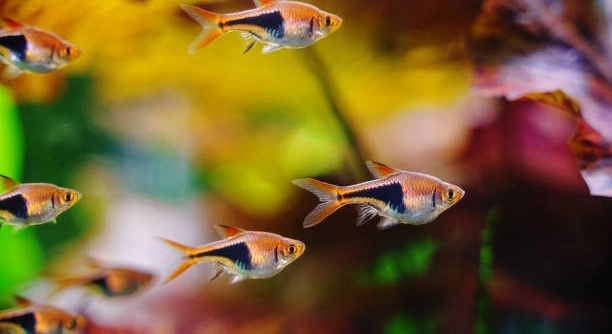
Rasboras are small, peaceful fish that thrive in calm, secure environments. Many owners want to ensure their rasbora feels safe and comfortable in its aquarium home. Creating a stable and reassuring setting is essential for their well-being.
Providing rasboras with adequate hiding spots, consistent water conditions, and a proper diet significantly enhances their sense of security. Maintaining stable temperature and pH levels, along with gentle tank mates, reduces stress and promotes natural behavior.
These key steps form the foundation for making your rasbora feel secure and supported in its environment. Following them can lead to a healthier, more content fish.
Creating Hiding Spots for Rasboras
Rasboras naturally seek places to hide when they feel threatened or stressed. Providing plenty of hiding spots in the aquarium helps them feel secure and less vulnerable. You can add live plants like Java fern or Anubias, which offer dense foliage for cover. Small caves or decorations with crevices also work well. These hiding places give rasboras safe areas to retreat to and rest. When they feel protected, their behavior becomes calmer and more natural. Avoid overcrowding the tank, as it reduces available hiding spaces and can increase stress levels. Position the decorations thoughtfully, ensuring there are multiple hiding options distributed evenly. This setup mimics their natural environment and encourages a healthy, confident fish.
Hiding spots are essential for reducing stress and encouraging natural behaviors in rasboras.
Well-placed plants and decorations improve the tank’s aesthetics while providing security. This balance helps rasboras thrive, feel safe, and display their best colors and movements.
Maintaining Stable Water Conditions
Water stability is key to your rasbora’s sense of security. Sudden changes in temperature, pH, or hardness can cause stress and illness. Regularly testing the water helps monitor these factors. Aim for a temperature between 72 and 78 degrees Fahrenheit, with a pH near neutral (6.5 to 7.5). Consistency is more important than perfection; avoid abrupt shifts by adjusting parameters gradually. Using a reliable heater and filter maintains stable conditions and good water quality. Clean the tank regularly to prevent toxin buildup but avoid over-cleaning, which can disrupt beneficial bacteria. Keeping water parameters steady creates a predictable environment where rasboras feel comfortable and safe. A stable habitat supports their immune system and reduces aggressive or erratic behavior. Regular maintenance is a simple but vital part of responsible fish care.
Choosing Compatible Tank Mates
Rasboras do best with peaceful, small fish that won’t intimidate them.
Aggressive or large fish can cause stress and insecurity. Compatible species include small tetras, Corydoras catfish, and small peaceful rasboras. Avoid fin-nippers or overly active fish that disrupt calm. A peaceful community tank helps rasboras feel safe and reduces their stress-related behavior.
When tank mates are calm and non-aggressive, rasboras can swim freely without fear. Stress from incompatible companions may lead to hiding, poor appetite, or illness. Proper tank mate selection is an important step in creating a secure environment. It promotes harmony, allowing all fish to thrive together without conflict.
Regular Feeding Routine
Keeping a consistent feeding schedule reassures rasboras and supports their health.
Feed them small amounts two to three times daily, using high-quality flakes or micro-pellets designed for small tropical fish. Avoid overfeeding to prevent water pollution and related health issues. Uneaten food should be removed promptly to maintain water quality. Regular feeding helps rasboras feel secure, knowing food is reliably available. It also supports steady energy levels and natural behavior patterns. By following a consistent routine, you reduce stress and promote a peaceful aquarium atmosphere.
Gentle Lighting
Rasboras prefer soft, diffused lighting that mimics their natural habitat.
Bright or harsh lights can cause stress and make them hide more often.
Avoiding Sudden Movements
Sudden movements around the tank can startle rasboras, increasing stress levels.
Approach the aquarium calmly and avoid banging or tapping on the glass. Keeping a quiet environment helps rasboras feel secure and relaxed, encouraging natural swimming patterns.
Maintaining Proper Tank Size
A tank size of at least 10 gallons is suitable for a small group of rasboras.
Providing enough space prevents overcrowding and allows them to swim comfortably. A spacious tank reduces aggression and supports their social behavior. This contributes to a stable and secure environment where rasboras can thrive peacefully.
FAQ
How many rasboras should be kept together?
Rasboras are schooling fish, so they feel most secure in groups of six or more. Keeping fewer can lead to stress and shy behavior. A group of at least six allows them to interact naturally and feel safe in numbers.
What water parameters are ideal for rasboras?
Rasboras prefer a temperature range of 72 to 78°F and a pH between 6.5 and 7.5. They do best in soft to moderately hard water. Maintaining these parameters consistently helps reduce stress and promotes health.
Can rasboras live with other fish?
Yes, but choose peaceful, small fish that won’t harass or outcompete them for food. Suitable tank mates include small tetras, Corydoras catfish, and other peaceful rasboras. Avoid aggressive or large fish that may intimidate or harm them.
How often should I feed my rasboras?
Feed small amounts two to three times daily. Use high-quality flakes or micro-pellets designed for small tropical fish. Remove uneaten food to keep water clean. Regular feeding supports their health and makes them feel secure.
Do rasboras need plants in their tank?
While not strictly necessary, live plants help create hiding spots and reduce stress. Plants like Java fern and Anubias provide cover and improve water quality. Dense foliage mimics their natural environment, contributing to their sense of security.
What causes rasboras to hide all the time?
Hiding is normal but excessive hiding often signals stress. Causes include poor water quality, aggressive tank mates, bright lighting, or lack of hiding spots. Identifying and addressing these factors helps rasboras feel safe and become more active.
Is a heater necessary for rasboras?
Yes, maintaining a stable temperature is crucial. Rasboras come from tropical climates and prefer water between 72 and 78°F. A reliable heater prevents temperature swings that can stress or harm them.
How do I reduce stress in my rasboras?
Provide stable water conditions, gentle lighting, hiding spots, and compatible tank mates. Avoid sudden movements or loud noises around the tank. Consistent feeding and a calm environment help rasboras feel safe and lower stress levels.
Can rasboras tolerate changes in water?
They tolerate minor gradual changes, but sudden shifts in temperature, pH, or hardness cause stress and illness. Always introduce changes slowly and monitor water parameters to maintain stability.
What should I do if my rasbora shows signs of illness?
Isolate the affected fish if possible and test water quality immediately. Common causes include poor water conditions or stress. Treat with appropriate medication after identifying the illness. Preventive care and stable environment reduce disease risks.
How important is tank maintenance for rasboras?
Regular tank maintenance is very important. Cleaning the tank, changing water partially every week, and checking equipment keep the environment healthy. Well-maintained tanks reduce stress and illness, helping rasboras stay secure and happy.
Can rasboras breed in a home aquarium?
Yes, but breeding requires specific conditions like soft, slightly acidic water and dense plants or spawning mops. Separating adults after spawning prevents egg predation. Providing the right environment supports successful breeding.
Are rasboras sensitive to light changes?
Yes, sudden bright light can stress rasboras. Gradual changes and soft lighting help them adjust comfortably. Using floating plants or dimmable lights creates a stable, soothing environment.
What is the best diet for rasboras?
A varied diet including quality flakes, micro-pellets, and occasional live or frozen foods like daphnia or brine shrimp is best. Balanced nutrition keeps them healthy and active, enhancing their security in the tank.
How long do rasboras typically live?
With proper care, rasboras can live between three to five years. Stable environment, good diet, and low stress contribute to a longer, healthier life.
These answers focus on practical care tips to keep rasboras secure and healthy in your aquarium. Following them helps create a comfortable, peaceful home for your fish.
Creating a secure environment for rasboras is essential for their well-being. These small fish depend on calm, stable conditions to feel safe and thrive. Providing hiding spots, maintaining consistent water quality, and choosing compatible tank mates are all important steps. When these basic needs are met, rasboras show natural, healthy behaviors and display their vibrant colors. A peaceful aquarium benefits not only the fish but also anyone who enjoys watching them.
Regular care and attention are key to keeping rasboras comfortable. This means feeding them on a consistent schedule with quality food and monitoring the tank conditions closely. Avoiding sudden changes in temperature, lighting, or tank activity helps reduce stress. A gentle environment allows rasboras to feel secure and confident. Stress-free fish are less prone to illness and live longer, happier lives. These small details can make a big difference in the overall health of your aquarium.
Taking the time to understand the needs of rasboras and providing the right environment is rewarding. Seeing them swim confidently and interact naturally is a sign that they feel safe. Consistency in care builds trust between owner and fish, even if it isn’t obvious. This steady, patient approach leads to a balanced, healthy tank where rasboras can flourish. Ultimately, a secure home supports their well-being and adds enjoyment to your fishkeeping experience.

Hello,
If you enjoy the content that we create, please consider saying a "Thank You!" by leaving a tip.
Every little bit helps us continue crafting quality advice that supports the health, happiness, and well-being of pets around the world, for pets of all shapes, sizes, and species.
We really appreciate the kindness and support that you show us!