
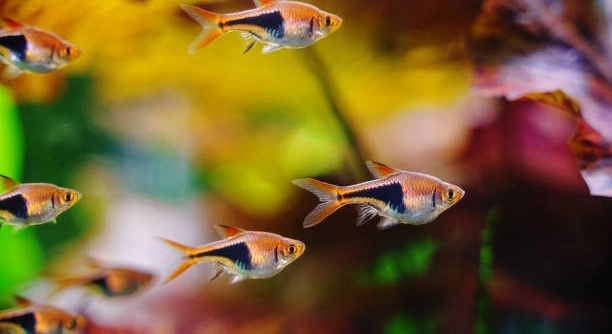
Are your rasboras acting nervous, hiding often, or refusing to eat? These signs may point to stress, which can affect their health.
The most effective way to reduce rasbora stress is by maintaining stable water conditions, providing proper tank mates, and ensuring a well-decorated environment. These factors help create a secure habitat, minimizing fear and behavioral changes.
From subtle changes in tank setup to daily care habits, each step plays a role in supporting your rasboras’ overall well-being and calm behavior.
Keep Water Parameters Consistent
Rasboras are sensitive to water changes. Sudden shifts in temperature, pH, or ammonia levels can cause them to become anxious or fall ill. To reduce stress, always monitor the tank’s water quality with reliable test kits. Keep the temperature between 72°F and 80°F, and the pH around 6.0 to 7.5. Perform small, regular water changes instead of large ones. This helps avoid shocking the fish. Make sure the filter is functioning properly but doesn’t create strong currents. Adding a gentle sponge filter can help. Always dechlorinate tap water before adding it to the tank.
A calm, balanced environment begins with clean and stable water. When water conditions are right, rasboras tend to swim more freely and interact with each other naturally.
If your rasboras seem stressed after water changes or tank maintenance, check if you’re altering too much at once. Stability is more important than perfection with these delicate fish.
Choose the Right Tank Mates
Rasboras do best with peaceful fish that won’t compete or chase them. Aggressive or fast-swimming species can make them nervous and lead to hiding or reduced feeding.
When selecting tank mates, aim for fish that prefer the same temperature and water parameters. Good options include small tetras, Corydoras catfish, and peaceful loaches. Avoid larger fish that may view rasboras as prey. It’s also helpful to avoid fin-nippers, as rasboras have delicate fins. A school of at least six rasboras will also help reduce stress—they feel safer in groups. When fish are well-matched, the tank becomes a calm and balanced environment. Rasboras will show their natural behaviors more often, such as schooling and exploring plants. If you notice signs of stress like darting, hiding, or lack of appetite, consider observing the tank closely to identify which species might be causing discomfort. A peaceful tank helps rasboras stay healthy and active.
Provide Hiding Spots and Plants
Rasboras feel safer when they have places to hide. An open tank can make them nervous and lead to stress-related behaviors. Adding plants, caves, and decorations helps create a secure environment.
Live or artificial plants provide excellent coverage, especially when placed near the back and sides of the tank. Floating plants also help block harsh lighting, which rasboras often find too intense. Try using broad-leaf plants like Anubias or tall ones like Vallisneria to give them cover. Driftwood and smooth stones add extra hiding places and make the tank feel more natural. Avoid overcrowding, though—there should still be space for swimming. When fish can choose when to be seen or hidden, they tend to stay calmer and more confident.
Stress often decreases when rasboras feel in control of their environment. Giving them shelter not only eases fear but also supports healthier immune function and more active behavior.
Limit Loud Noises and Sudden Movement
Rasboras are sensitive to sound and motion near their tank. Sudden loud noises, slamming doors, or tapping on the glass can startle them, causing stress and skittish behavior. A quiet space helps them feel secure.
Place the aquarium in a low-traffic area of your home, away from speakers, TVs, or heavy foot traffic. Avoid placing it near windows where outside movement or light changes could startle them. Teach children not to tap on the glass or rush up to the tank. When cleaning or feeding, use slow, calm movements. If you’re moving decorations or doing maintenance, try to do it gently and predictably. Rasboras respond well to routine and calm surroundings. Over time, they become used to daily household sounds, but sudden disruptions can still cause stress. Creating a peaceful atmosphere outside the tank is just as important as what’s inside it.
Avoid Overcrowding the Tank
Too many fish in one tank leads to competition, stress, and poor water quality. Rasboras need enough room to swim freely and establish their space within the school.
Stick to the general rule of one inch of fish per gallon of water. A school of six rasboras needs at least 10–15 gallons.
Feed a Balanced and Consistent Diet
Rasboras are small, but they thrive when fed a variety of high-quality foods. Offer a mix of micro pellets, flake food, and occasional treats like frozen or live daphnia or brine shrimp. Feed once or twice daily in small amounts they can eat within two minutes. Overfeeding causes leftover food, which can spoil water and raise stress levels. It’s also important to avoid changing their diet too often. Sudden shifts can lead to digestion problems and anxious behavior. A predictable feeding routine helps them feel secure. Balanced nutrition supports strong immune systems, better color, and more natural activity levels.
Maintain a Gentle Lighting Schedule
Keep tank lights on for about 8–10 hours a day. Too much light can overstimulate rasboras, while too little affects their activity levels and feeding habits. Use a timer for consistency.
FAQ
How can I tell if my rasboras are stressed?
Signs of stress in rasboras include hiding frequently, reduced appetite, rapid breathing, erratic swimming, and faded colors. They may also stay near the bottom or sides of the tank instead of schooling in the open. Noticing these behaviors early helps prevent serious health issues.
Why is water quality so important for rasboras?
Rasboras are sensitive to changes in water parameters like temperature, pH, and ammonia levels. Poor water quality can weaken their immune system, making them prone to disease and stress. Regular water testing and gentle water changes maintain a safe and stable environment.
Can I keep rasboras alone or do they need a group?
Rasboras are schooling fish and feel safest in groups of six or more. Being in a group reduces stress and encourages natural behavior like swimming together. Keeping just one or two can cause anxiety and loneliness.
What are good tank mates for rasboras?
Peaceful, small fish like tetras, Corydoras catfish, and small peaceful loaches make good tank mates. Avoid aggressive or large fish that might bully or eat rasboras. Compatibility reduces stress and helps all fish thrive.
How often should I feed my rasboras?
Feed small amounts once or twice a day, only what they can finish in two minutes. Overfeeding can pollute the water and cause stress or health problems. Use a variety of flakes, pellets, and occasional live or frozen foods for balanced nutrition.
What kind of plants and decorations should I use?
Live or artificial plants like Anubias, Java fern, and Vallisneria provide shelter and hiding spots. Smooth rocks and driftwood add cover and help mimic a natural environment. Avoid overcrowding the tank to allow room for swimming.
Is lighting important for rasbora health?
Yes, rasboras need about 8–10 hours of light daily. Too much light can stress them, while too little affects their feeding and activity. Using a timer helps maintain a consistent lighting schedule, which supports their natural rhythms.
Can sudden movements outside the tank stress my fish?
Yes, rasboras are easily startled by sudden noises or fast movements near the tank. Placing the aquarium in a quiet area and moving calmly during feeding or maintenance reduces stress.
How do I prevent common diseases caused by stress?
Maintaining clean water, proper diet, peaceful tank mates, and stable conditions lowers the risk of infections like ich or fin rot. Quarantining new fish before adding them to the tank helps prevent introducing diseases.
What should I do if my rasboras seem stressed after a water change?
Check if the water temperature, pH, or hardness changed too much. Make smaller, more frequent water changes next time to avoid shocking the fish. Use a dechlorinator and add water slowly to help them adjust comfortably.
These simple steps can make a big difference in helping rasboras feel safe and thrive in their home aquarium.
Caring for rasboras well means paying close attention to their environment and daily needs. Stress can easily affect these small fish because they are sensitive to changes. Keeping water quality steady is one of the most important things you can do. Regular testing and gentle water changes prevent harmful spikes in chemicals and temperature. It’s also important to provide enough space and good tank mates. Overcrowding or aggressive fish can quickly make rasboras nervous and unhealthy.
Adding plants and hiding spots gives rasboras a place to feel safe. This lowers stress and encourages natural behavior. When fish can choose to hide or swim freely, they are less likely to panic or get sick. Feeding them a balanced diet in small amounts helps keep their immune systems strong. Overfeeding leads to poor water quality, which raises stress levels. Keeping a calm and quiet environment outside the tank also matters. Sudden noises or fast movements can startle rasboras and cause them to become anxious.
Overall, reducing stress in rasboras is about creating a stable, peaceful habitat that meets their needs. Small changes like consistent lighting and avoiding sudden shifts in tank conditions make a big difference. When rasboras feel safe and comfortable, they show brighter colors and more lively behavior. Paying attention to these details not only improves their health but also makes caring for them more rewarding. With patience and care, your rasboras can thrive and bring a calming presence to your aquarium.

Hello,
If you enjoy the content that we create, please consider saying a "Thank You!" by leaving a tip.
Every little bit helps us continue crafting quality advice that supports the health, happiness, and well-being of pets around the world, for pets of all shapes, sizes, and species.
We really appreciate the kindness and support that you show us!