
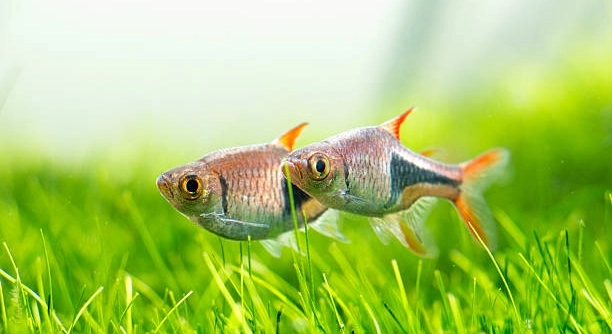
Rasboras are popular freshwater fish known for their peaceful nature and beautiful colors. Many aquarium owners enjoy watching their behavior, especially during breeding. Recognizing signs that your rasbora is laying eggs can help you provide the right care and environment for successful spawning.
The key indicators of egg-laying in rasboras include changes in behavior such as increased activity, pairing off, and nest preparation. Physical signs include a swollen abdomen in females and visible eggs in certain species. Monitoring water conditions also plays a crucial role.
Knowing these signs will help you support your rasboras during this important stage. Proper care ensures both the health of the parents and the survival of the eggs.
Behavioral Changes During Spawning
Rasboras often show noticeable behavior changes when they are ready to lay eggs. You may see increased swimming activity, especially by pairs moving closely together. The female may become more restless, searching for a safe place to deposit eggs. Males can show more vibrant colors and chase each other or the female gently. These behaviors usually happen during early morning hours. Paying attention to these signs helps you know when your rasboras are preparing to spawn. It’s important to avoid stressing the fish during this time, as it can disrupt the process. Keeping the tank environment calm and stable supports natural breeding behavior. When the pair starts to settle in one spot, it often means egg-laying is near. Recognizing this stage allows you to adjust tank conditions, such as reducing water flow or adding plants, to increase egg survival chances.
Spawning behavior in rasboras signals a critical reproductive phase that demands careful observation and minimal disturbance.
To encourage spawning, maintain optimal water parameters, provide plenty of plants or spawning mops, and ensure the fish are well-fed with nutritious foods. These factors help create a comfortable environment where rasboras feel secure enough to breed. Monitoring their behavior closely can also alert you to any signs of aggression or stress that might interfere with spawning. Once eggs are laid, removing adult fish from the breeding tank can prevent them from eating the eggs. Keeping a clean tank with stable temperature and pH levels is essential for the eggs to develop properly. Supporting this natural process with good husbandry increases the likelihood of healthy fry.
Physical Signs of Egg-Laying
A female rasbora’s belly will often appear noticeably rounder or swollen before laying eggs. This is because of the developing eggs inside. In some species, you might even spot small white or yellow eggs near the female’s vent. The male might also show subtle changes in coloration during breeding. These physical signs are reliable indicators that egg-laying will soon occur.
Swollen abdomen and visible eggs are clear physical signs of impending spawning in rasboras.
Watching for these changes helps you prepare for the next steps in caring for your fish. It also gives clues about when to separate adults from eggs to avoid predation. Paying close attention to these details increases your success in raising healthy young rasboras.
Nesting and Spawning Sites
Rasboras prefer to lay eggs on fine-leaved plants or spawning mops where the eggs can stick safely. They avoid open or harsh surfaces. Providing plenty of dense plants encourages natural spawning behavior. The female often deposits eggs one by one on leaves or moss.
Having the right spawning site is essential for successful egg laying. Dense plants or artificial spawning mats offer protection from currents and potential egg predators. Many rasbora species scatter eggs rather than guarding them, so the choice of site reduces the risk of eggs being swept away. Using Java moss or similar plants can improve egg survival rates. Observing where the pair spends most of their time often reveals their preferred spawning spots, allowing you to focus care there. Keeping the site clean and free of debris also helps the eggs develop.
Providing a stable and safe spawning environment improves your chances of raising healthy rasbora fry. Careful observation and proper tank setup are key.
Changes in Water Conditions
Water conditions such as temperature and pH often shift slightly before and during spawning. Rasboras generally prefer slightly softer, more acidic water for egg-laying. Increasing the water temperature by a degree or two can trigger spawning behavior. Maintaining these conditions consistently supports the entire breeding process.
Stable, favorable water parameters are vital for rasbora reproduction. Sudden changes can stress the fish and delay egg-laying. Keeping the water clean with gentle filtration prevents fungal infections on eggs. Regular water changes help maintain oxygen levels and remove waste, both critical for egg health. Tracking parameters like temperature, pH, and hardness ensures the environment matches the species’ natural preferences. Adjusting these slowly avoids shocking the fish and encourages natural breeding rhythms. Proper water conditions also reduce the risk of disease, ensuring both adult rasboras and their eggs remain healthy throughout the spawning phase.
Increased Appetite Before Spawning
Rasboras often eat more before laying eggs. This increased appetite helps the female build energy reserves needed for egg production. Feeding high-quality foods like live or frozen brine shrimp can support their health during this time.
Monitoring their eating habits provides clues about their readiness to spawn. A well-fed fish is more likely to produce healthy eggs and successfully complete the spawning process.
Egg Clumping and Adhesion
Rasbora eggs usually stick together in small clusters on plants or spawning surfaces. This adhesion helps protect them from currents and keeps them in place until hatching. The eggs appear small and translucent with a slight shine.
Removal of Adults After Spawning
After eggs are laid, it’s important to remove adult rasboras to prevent them from eating the eggs. Adults do not typically guard their eggs and may consume them if left in the breeding tank.
Egg Development Time
Rasbora eggs usually hatch within 24 to 36 hours, depending on water temperature and species. Watching for these signs helps determine when to prepare for fry care.
FAQ
How can I tell if my rasbora is ready to lay eggs?
You can look for several signs. The female’s belly will become swollen as eggs develop inside. The fish will become more active and swim closely with a chosen partner. Males may show brighter colors and display chasing behavior. These are clear signs that spawning is near.
What kind of plants are best for rasbora egg-laying?
Fine-leaved plants like Java moss or spawning mops are ideal. These surfaces allow eggs to stick safely and protect them from currents. Dense plants provide shelter for both adults and eggs, increasing the chances of successful breeding.
Should I change water conditions for spawning?
Yes. Slightly softer and more acidic water encourages spawning in most rasbora species. Raising the temperature by about 1–2 degrees Celsius can also trigger breeding behavior. Keep changes gradual to avoid stressing the fish.
How often should I feed my rasboras before spawning?
Feed them small amounts multiple times a day with high-quality foods like live or frozen brine shrimp or daphnia. This boosts energy for egg production and increases overall health, improving the chance of successful spawning.
What should I do after my rasbora lays eggs?
Remove the adult fish from the breeding tank to prevent them from eating the eggs. Maintain clean water and stable temperature for the eggs to develop properly. Avoid disturbing the tank during this stage.
How long does it take for rasbora eggs to hatch?
Depending on the species and temperature, eggs usually hatch within 24 to 36 hours. Warmer water speeds up development, while cooler water slows it down. Watch for tiny fry swimming near plants after hatching.
Can rasboras eat their own eggs?
Yes, adult rasboras often eat their eggs if they are left in the same tank. This is why it is important to separate the adults as soon as egg-laying is complete to protect the developing fry.
What do rasbora fry eat after hatching?
Newly hatched fry can eat infusoria, tiny microscopic organisms. After a few days, they can be fed finely crushed flakes or newly hatched brine shrimp. Providing proper food is essential for their growth and survival.
Is it necessary to provide a separate breeding tank?
While not always required, a separate breeding tank can increase success by offering controlled conditions and protecting eggs from adults. It also allows you to manage water quality and temperature more easily during the breeding phase.
How often can rasboras lay eggs?
Rasboras may spawn several times a month under optimal conditions. However, giving them time to recover between spawnings helps maintain their health and egg quality.
What signs show that eggs are fertilized?
Fertilized eggs are usually clear with a slight shine and develop visible embryos within a day. Unfertilized eggs often turn white or cloudy and should be removed to prevent fungus growth.
Can I use any water filter during breeding?
Use gentle filtration to avoid disturbing the eggs or fry. Sponge filters are ideal because they provide filtration without creating strong currents that could wash away eggs or harm young fish.
How do I prevent fungus on rasbora eggs?
Maintain clean water and perform small water changes carefully. Using antifungal treatments safe for fish eggs can also help. Removing any unfertilized or damaged eggs reduces the risk of fungus spreading.
Do all rasbora species show the same egg-laying signs?
Most species share similar behaviors, but some may vary slightly in appearance or preferred spawning sites. Observing your specific rasbora type and adjusting care accordingly is important for success.
Can stress affect rasbora spawning?
Yes, stress from poor water quality, sudden changes, or aggressive tank mates can delay or prevent spawning. Keeping a calm, stable environment is key to encouraging natural breeding behavior.
What temperature is best for raising rasbora fry?
A stable temperature between 24°C and 28°C (75°F to 82°F) is ideal for fry growth. Avoid sudden temperature swings to reduce stress and promote healthy development.
How long before fry start swimming freely?
Fry typically start swimming on their own about 3 to 4 days after hatching. During this time, they absorb their yolk sac and begin searching for food.
Should I feed adult rasboras differently during breeding?
Feeding more nutritious, protein-rich foods helps adults prepare for spawning. Focus on varied diets that include live or frozen foods rather than just flakes to support health and breeding readiness.
Can I keep other fish with rasboras during breeding?
It’s best to keep breeding rasboras in a species-only tank or separate breeding tank. Other fish may stress the pair or eat eggs and fry, lowering breeding success.
What’s the best way to monitor eggs and fry health?
Check eggs daily for signs of fungus or cloudiness. Remove affected eggs promptly. Observe fry for steady growth and swimming ability. Keep water quality high and avoid overfeeding to prevent water fouling.
Understanding the signs that your rasbora is laying eggs can make a big difference in how you care for your fish during this important time. Recognizing changes in behavior, physical appearance, and water conditions helps you provide the best environment for successful spawning. When you see your rasbora becoming more active, pairing off, or showing a swollen belly, you know that breeding is about to begin. Preparing the tank with plenty of fine-leaved plants and maintaining stable, slightly softer water supports this natural process. These small but important adjustments create a safer place for eggs and increase the chances of healthy fry.
It is also important to manage feeding and tank conditions carefully during the breeding period. Feeding your rasboras nutrient-rich foods before spawning gives them the energy needed to produce eggs. After egg-laying, removing adult fish from the breeding tank helps protect the eggs from being eaten. Keeping water clean with gentle filtration and avoiding sudden temperature changes ensures the eggs develop well. Watching for signs such as egg clumping and fertilization can help you know when the eggs are healthy and when it is time to prepare for the fry. Each of these steps plays a role in helping the eggs hatch and the young rasboras grow strong.
Being patient and attentive is key throughout the breeding process. Rasboras may need stable conditions and time to feel comfortable enough to spawn. Even after the eggs hatch, caring for the fry properly by providing the right food and environment supports their survival. By paying close attention to the subtle signs your rasbora shows, you can better understand their needs and give them the care they require. This knowledge helps create a healthy, thriving aquarium where your rasboras can reproduce naturally and successfully.

Hello,
If you enjoy the content that we create, please consider saying a "Thank You!" by leaving a tip.
Every little bit helps us continue crafting quality advice that supports the health, happiness, and well-being of pets around the world, for pets of all shapes, sizes, and species.
We really appreciate the kindness and support that you show us!