
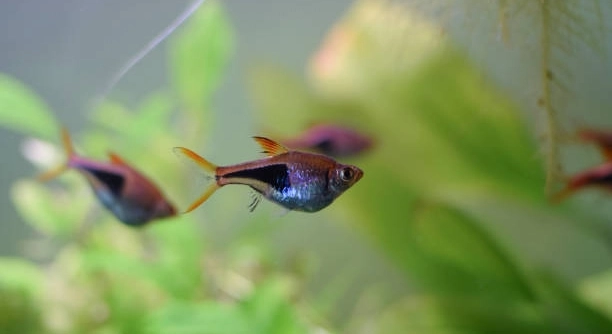
Rasboras are small, colorful fish often kept in home aquariums. Many hobbyists notice these fish prefer tanks with low light rather than bright, intense lighting. This preference can affect their behavior and overall health in captivity.
Rasboras favor dim lighting because it closely mimics their natural habitats, which are typically shaded by dense vegetation. Low light reduces stress, encourages natural activity patterns, and supports their well-being by creating a comfortable environment suited to their physiology.
Understanding why lighting impacts rasboras helps aquarium owners create better living conditions. This knowledge ensures the fish remain healthy and display their best colors and behaviors over time.
Natural Habitat Conditions
Rasboras come from slow-moving streams and shaded ponds where sunlight filters through thick vegetation. These environments naturally have low light levels, which help protect the fish from predators and keep the water cooler. Bright light can make rasboras feel exposed and stressed, leading them to hide more or show less activity. In an aquarium, mimicking these dim conditions helps the fish feel secure and behave naturally. The plants and driftwood that create shadows also give the fish places to rest and explore. Over time, the right lighting setup improves their color intensity and health. If the tank is too bright, rasboras may become timid or stop feeding properly, which can affect their growth. Providing a lighting schedule that matches dawn and dusk periods also supports their internal rhythms, making them more active during these times and promoting overall well-being.
Lower light levels imitate the natural habitat, reducing stress and encouraging healthier, more active rasboras in home aquariums.
Adjusting aquarium light to match natural conditions improves the fish’s behavior and longevity. Dimmer lighting also enhances the appearance of their colors, making them more vibrant. Additionally, it supports beneficial plants and keeps algae growth under control. A good balance of light encourages a stable environment, helping rasboras thrive and stay healthy.
Stress Reduction and Behavior
Rasboras are sensitive to their surroundings and react strongly to changes in light. Bright or sudden lighting can cause stress, which often leads to hiding or reduced swimming. Stress can weaken their immune system, making them more prone to illness. Dim lighting helps calm them, allowing for natural social behavior like schooling and exploring. When the environment feels safe, rasboras are more active and visible. This also makes it easier for owners to enjoy watching their fish. A tank with moderate to low light gives the fish space to feel comfortable while maintaining visibility for observation.
Maintaining low light conditions keeps rasboras calm and encourages their natural behaviors.
Stress is a major factor affecting the health of rasboras. When the lighting is too harsh, they may become skittish or hide for long periods, which disrupts their feeding and social patterns. Dim lighting helps reduce stress by replicating the gentle shading of their natural habitat. This calm environment allows them to swim openly and interact with other fish. It also improves breeding success since stress-free fish are more likely to reproduce. Providing a consistent lighting schedule supports their internal clock, further minimizing stress. In contrast, inconsistent or overly bright lighting can cause aggression and poor health outcomes. Careful attention to lighting ensures that rasboras live a balanced, active life in the aquarium.
Feeding Habits in Low Light
Rasboras are more comfortable feeding under dim lighting conditions. Bright lights can make them nervous and less likely to come out for food. In low light, they feel safer and are more willing to explore for food, which leads to better eating habits.
Feeding behavior improves when rasboras are in a dimly lit environment. They become more confident and spend more time searching for food instead of hiding. This natural comfort zone supports their digestion and overall health. When lighting is too bright, the fish often stay near cover, limiting their food intake and risking malnutrition.
A dimly lit tank allows for a calmer feeding routine. The reduced light helps them detect food without feeling threatened by their surroundings. This setting encourages natural foraging behavior and reduces competition stress among tank mates. Consistent feeding in low light results in healthier, more active rasboras.
Interaction with Tank Environment
Rasboras respond well to plants and decorations that create shaded areas. These elements offer refuge and contribute to the dim lighting they prefer. Providing natural hiding spots allows the fish to feel secure while swimming freely.
Shaded areas formed by plants or décor replicate the rasboras’ natural surroundings. These features reduce direct light and create comfortable spots for resting and socializing. Rasboras use these spaces to escape potential threats and interact safely with other fish. This environment reduces aggressive behavior and promotes peaceful schooling, which is important for their well-being.
The combination of dim lighting and ample cover supports a balanced aquarium ecosystem. Shaded zones help regulate fish stress and enhance their natural behaviors. Such settings encourage healthy movement, social interaction, and breeding success. When tanks lack these features, rasboras may become withdrawn or aggressive, which affects their long-term health and enjoyment.
Light Sensitivity
Rasboras have delicate eyes that can be overwhelmed by bright lighting. This sensitivity makes low light important for their comfort and vision.
Excessive brightness can cause discomfort and lead to stress-related behaviors. Keeping light levels moderate helps protect their eyesight and supports normal activity.
Color Enhancement
Dim lighting helps rasboras display their best colors naturally. Bright light may wash out their hues or make them appear dull. When lighting is balanced and soft, their vibrant patterns become more visible and attractive. This natural color display also indicates good health and proper care, making dim lighting a key factor in showcasing their beauty.
Reproductive Behavior
Low light encourages breeding in rasboras by mimicking their natural spawning conditions. This environment provides safety and reduces stress during sensitive reproductive periods.
Energy Conservation
Dim lighting helps rasboras conserve energy by reducing unnecessary activity caused by stress or fear. This leads to better growth and vitality.
FAQ
Why do rasboras avoid bright light?
Rasboras naturally live in shaded waters where sunlight is filtered through plants and trees. Bright light can make them feel exposed and vulnerable to predators. This causes them to hide more often and become stressed. Keeping aquarium lighting dim helps mimic their natural environment, making them feel safer and more relaxed.
Can rasboras live in bright light if they adapt?
While some rasboras might get used to brighter light over time, it generally causes ongoing stress. They may become less active or hide to avoid the brightness. It’s best to keep lighting low to prevent health problems and ensure they behave naturally.
How much light is ideal for rasboras?
Moderate to low light is best, usually around 0.5 to 1 watt per gallon if using fluorescent lighting. Soft LED lights with adjustable brightness work well. The goal is to avoid strong, direct light and create shaded areas using plants or decorations.
What happens if the light is too dim?
If the light is too dim, it can affect plant growth and the overall tank ecosystem. Rasboras themselves will be fine, but plants need enough light to thrive, which helps keep water quality stable. A balance is important—dim enough for the fish but bright enough for healthy plants.
Do rasboras need a specific light cycle?
Yes, they do best with a regular day-night cycle, about 10-12 hours of light daily. This schedule supports their natural rhythms and helps regulate feeding and activity. Too much light or irregular timing can confuse them and increase stress.
How does dim lighting affect breeding?
Dim lighting mimics the shaded waters where rasboras naturally spawn. It reduces stress and encourages courtship and spawning behaviors. Bright light can inhibit breeding because the fish feel unsafe. Many breeders use low lighting and plants to create a calm breeding environment.
Can too much light cause algae problems?
Yes, excessive lighting can promote algae growth, which can harm the tank’s balance and stress rasboras. Algae compete for nutrients and can cloud the water. Using dimmer lights and controlling the light duration helps prevent algae buildup and keeps the tank cleaner.
What are signs that lighting is too harsh for rasboras?
Signs include hiding most of the time, lack of movement, faded colors, and refusal to eat. They may also dart quickly to shaded areas whenever the light turns on. These behaviors indicate stress, and adjusting the lighting can improve their comfort and health.
Should tank mates affect lighting choices?
Yes, the needs of all fish and plants in the tank should be considered. Some species prefer brighter light while others, like rasboras, need dimmer conditions. Choosing compatible species or adjusting lighting zones can help create a balanced environment where all inhabitants thrive.
How can I create shaded areas in my tank?
Use live plants, driftwood, or aquarium decorations to block direct light and create hiding spots. Floating plants are also helpful because they diffuse light from above. These features make the tank feel natural and give rasboras places to rest safely away from bright light.
Is there a risk of eye damage from too much light?
Rasboras’ eyes are sensitive, and prolonged exposure to intense light can cause damage or irritation. Keeping the lighting low and avoiding sudden bright flashes protects their eyesight and overall health.
What type of lighting is best for rasboras?
Soft LED lights with adjustable brightness are ideal because they offer control over intensity and can be set to mimic natural light cycles. Fluorescent lights also work well but may be harder to adjust. Avoid overly bright or direct lighting fixtures.
Can I use a timer for aquarium lights?
Using a timer is recommended to maintain a consistent lighting schedule. It helps prevent stress from irregular light changes and supports the fish’s natural activity patterns. Timers also reduce the chance of algae growth by controlling light duration.
Do rasboras react to sudden changes in light?
Yes, sudden bright lights can startle rasboras and cause panic swimming or hiding. Gradual changes in light intensity, like dimming in the morning and evening, help reduce this reaction and keep the fish calm.
How important is lighting compared to other tank conditions?
Lighting is very important but works alongside water quality, temperature, and tank setup. Even with perfect lighting, poor water conditions can harm rasboras. Maintaining all aspects of the tank environment ensures the best health and behavior for these fish.
Can I adjust lighting based on the season?
Adjusting light duration to match seasonal changes can benefit rasboras by aligning with their natural rhythms. Shorter days in winter and longer days in summer support normal behavior and breeding cycles. However, changes should be gradual to avoid stressing the fish.
What if my tank has no plants?
If you don’t have plants, creating shaded areas with décor like rocks or driftwood becomes even more important. These items break up light and provide hiding spots. Without shade, rasboras may become stressed and hide more, reducing their visibility and activity.
How does lighting affect rasbora color vibrancy?
Proper lighting brings out the natural colors of rasboras without washing them out or causing dullness. Dim lighting combined with a healthy diet enhances their hues, making them more visually striking.
Are there any signs rasboras are happy with the lighting?
Happy rasboras swim actively, school together, and show bright, vibrant colors. They will explore the tank openly and feed regularly. These behaviors indicate they feel safe and comfortable with the current lighting conditions.
Can lighting impact the lifespan of rasboras?
Yes, stressful lighting can reduce lifespan by causing chronic stress and illness. Proper lighting supports natural behavior and health, contributing to a longer, healthier life for rasboras in captivity.
Rasboras are small, peaceful fish that do best in environments that resemble their natural habitats. One important factor in creating such an environment is the lighting. These fish naturally live in shaded waters with soft, filtered light. Providing dim lighting in your aquarium helps rasboras feel safe and comfortable, allowing them to show their natural behavior and colors. Bright or harsh lighting can cause stress, which negatively affects their health and activity. By keeping the light levels moderate and providing places for the fish to hide, you create a balanced space where rasboras can thrive.
The benefits of dim lighting go beyond comfort. It supports the fish’s feeding habits, reduces stress, and encourages breeding behaviors. Rasboras become more active and social when they feel secure, which is easier to achieve with lighting that mimics their natural setting. Additionally, softer light enhances their vibrant colors, making the tank more attractive to watch. When lighting is too intense, the fish tend to hide or become less active, which can lead to poor health over time. Careful attention to lighting, combined with proper tank maintenance, promotes the long-term well-being of rasboras.
Creating the right lighting conditions is just one part of successful fishkeeping. It is important to consider other factors like water quality, temperature, and tank setup to ensure the overall health of your rasboras. Using a consistent light schedule with dim, adjustable lighting and providing natural decorations will help maintain a comfortable and natural environment. In the end, understanding the needs of rasboras and adjusting their habitat accordingly will result in happier, healthier fish that are a joy to keep and observe.

Hello,
If you enjoy the content that we create, please consider saying a "Thank You!" by leaving a tip.
Every little bit helps us continue crafting quality advice that supports the health, happiness, and well-being of pets around the world, for pets of all shapes, sizes, and species.
We really appreciate the kindness and support that you show us!