
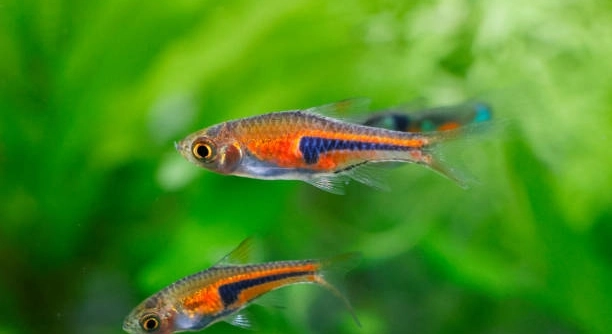
Rasboras are small, colorful fish that many enjoy keeping in their home aquariums. They have specific dietary needs that help them stay healthy and active. Feeding them the wrong foods can cause harm and affect their well-being.
There are certain foods that should never be fed to rasboras because they can cause digestive problems, toxicity, or poor nutrition. These include processed human foods, fatty meats, large insects, foods with pesticides, and anything too large for their small mouths. Avoiding these ensures their health.
Knowing which foods to avoid is important for keeping your rasboras thriving. The following details will help you provide the best care and nutrition for these delicate fish.
Processed Human Foods
Processed human foods like chips, cookies, and bread are not suitable for rasboras. These foods contain additives, preservatives, and high levels of salt and sugar that fish cannot digest properly. Feeding these can lead to digestive upset, poor health, and even death over time. Rasboras need a natural, balanced diet to thrive, and processed snacks do not meet their nutritional requirements. It is best to avoid offering any leftover human food in the tank. Instead, focus on foods designed for small tropical fish or live foods that resemble their natural diet. Feeding processed foods might seem harmless at first, but it can cause long-term damage to your fish’s organs and overall well-being. Always check ingredient lists on fish food packaging and choose options free from unnecessary chemicals or fillers.
Processed human foods can quickly disrupt a rasbora’s digestive system, so keeping them out of the diet is crucial.
Providing a clean and balanced diet helps rasboras maintain bright colors and good energy levels, making them enjoyable to watch and care for daily.
Fatty Meats
Fatty meats like beef or pork are not good for rasboras. These fish are small and have delicate digestive systems that cannot handle heavy fats. Feeding them fatty meats may cause internal issues, including clogged organs and slow digestion. Fish require protein, but it must come from appropriate sources like insects, worms, or specialized fish food. Overfeeding fatty foods can also pollute the tank water, leading to poor water quality and health problems for all tank inhabitants. It is better to provide high-quality fish flakes or pellets designed for tropical fish that have the right balance of nutrients. Avoid raw or cooked fatty meats entirely, as they do more harm than good.
Feeding fatty meats can result in serious health problems for rasboras.
Many fish owners accidentally give scraps from their meals but sticking to fish-appropriate foods keeps the tank cleaner and fish healthier.
Choosing proper food not only supports rasbora growth but also extends their lifespan by preventing diet-related illnesses and stress.
Large Insects
Large insects can be difficult for rasboras to eat and digest. Their small mouths and digestive systems are not built for big, tough prey. Feeding oversized insects may cause choking or internal injury.
Insects like large crickets or beetles should be avoided. While live food is healthy, it must be appropriate in size. Smaller insects such as fruit flies or baby brine shrimp are better options. Large insects can also introduce parasites or harmful bacteria into the tank, risking the health of your fish. Ensuring the food matches your rasbora’s size helps maintain their safety and digestive comfort.
Offering insects that are too large can lead to physical harm or blockages, causing serious health issues. Stick to small, manageable food to keep your rasboras happy and healthy.
Foods Containing Pesticides
Foods contaminated with pesticides pose a serious threat to rasboras. Even small amounts of chemicals can poison these sensitive fish quickly. Avoid feeding any live or frozen foods that have been exposed to pesticides.
Feeding contaminated food may cause stress, illness, or death in rasboras. Pesticides affect their nervous system and weaken immune defenses, making recovery difficult. It’s best to source food from trusted suppliers and avoid wild-caught insects unless they come from a pesticide-free environment. Rinsing frozen food before feeding can also reduce risks. Keeping your rasboras away from toxins ensures they stay vibrant and healthy, protected from avoidable harm.
Safe food choices help maintain a clean, toxin-free environment for your fish, which supports their long-term well-being and vitality.
Foods Too Large for Rasboras
Feeding food that is too large can choke rasboras or cause internal damage. Their small mouths cannot handle oversized pieces safely.
Always offer small, bite-sized portions. Breaking food into tiny pieces helps rasboras eat comfortably and prevents choking or digestive blockages.
Bread and Starchy Foods
Bread and other starchy human foods lack the nutrients rasboras need and are hard for them to digest. These foods can cause bloating and digestive problems, which may lead to long-term health issues.
Starchy foods also cloud the tank water and contribute to bacterial growth. Avoid giving any bread or similar products to your fish, even in small amounts. Instead, focus on feeding them proper fish flakes, pellets, or live food that supports their natural diet and keeps them healthy.
Raw Vegetables
Raw vegetables are generally not suitable for rasboras. Their digestive systems are not designed to break down tough plant material effectively.
Avoid offering raw veggies, as these can cause digestive discomfort and uneaten food can foul the tank water quickly.
FAQ
What happens if I feed my rasbora processed human foods?
Processed human foods often contain salt, sugar, and chemicals that are harmful to rasboras. These ingredients can upset their digestive system and lead to long-term health issues. Feeding them such foods occasionally may not cause immediate harm, but regular feeding can weaken their immune system and shorten their lifespan. It is safer to stick to foods made specifically for fish or natural options like small live insects.
Can rasboras eat fatty meats like chicken or beef?
No, fatty meats are too heavy for rasboras’ small digestive systems. They cannot properly digest the fats, which may cause organ damage or slow digestion. Additionally, fatty meats pollute the tank water, affecting all the fish. It’s best to provide protein from appropriate sources like specialized fish food or small aquatic insects that match their natural diet.
Are large insects safe for rasboras?
Large insects are risky for rasboras because they are hard to chew and swallow. Their mouths are too small, so trying to eat big insects can cause choking or internal injuries. Also, large insects may carry parasites or bacteria harmful to your fish. Choose small live foods like baby brine shrimp or fruit flies instead.
How do pesticides affect my rasboras?
Pesticides can poison rasboras quickly, even in tiny amounts. These chemicals harm their nervous and immune systems, making it difficult for fish to recover from illness. Feeding food from unknown sources or wild-caught insects increases the risk of pesticide exposure. Always buy from trusted suppliers and rinse frozen foods to reduce contamination.
Is it okay to feed my rasbora bread or starchy foods?
Bread and starchy foods are not suitable for rasboras. They provide no real nutrition and are difficult for fish to digest, causing bloating and digestive troubles. These foods also degrade water quality, encouraging harmful bacteria growth. Avoid feeding any human bread or pasta, focusing instead on balanced fish foods.
Can I feed raw vegetables to my rasboras?
Raw vegetables are not a good choice for rasboras. Their digestive systems cannot properly break down tough plant fibers, leading to digestive discomfort. Uneaten vegetable pieces can quickly spoil the tank water. If you want to offer vegetables, cook and finely chop them, but fish food designed for rasboras is usually better.
What should I feed my rasboras instead?
Rasboras thrive on a diet of small, high-quality flakes or pellets made for tropical fish. Live or frozen foods like baby brine shrimp, daphnia, and mosquito larvae provide good protein. Occasionally, finely crushed freeze-dried bloodworms can be given. Feeding a variety of appropriate foods keeps your fish healthy, active, and colorful.
How can I tell if my rasbora has eaten something harmful?
Signs include lethargy, loss of appetite, bloating, or unusual swimming behavior. If your fish seems stressed or sick after feeding, remove any leftover food and test your water quality. Consulting a vet or experienced aquarist can help diagnose the issue and prevent future problems.
Can overfeeding cause health issues in rasboras?
Yes, overfeeding can lead to obesity, poor water quality, and digestive problems. Excess food breaks down in the tank, raising harmful ammonia and nitrate levels. Feeding small amounts once or twice a day and removing uneaten food helps maintain good water quality and fish health.
Is it safe to give treats to my rasbora?
Treats can be given occasionally but must be safe and appropriate. Small live foods like baby brine shrimp are good treats. Avoid human food, large insects, or anything with additives. Treats should never replace the regular balanced diet and must be offered in moderation.
How often should I feed my rasboras?
Feed your rasboras small amounts one to two times daily. They eat quickly and do not need large portions. Keeping feeding regular but moderate helps avoid overfeeding problems and keeps the tank clean.
Can I feed frozen foods directly from the freezer?
Frozen foods should be thawed before feeding. Giving frozen food straight from the freezer can shock your fish and may cause digestive issues. Thaw the food in a small amount of tank water to keep it clean and at a safe temperature for feeding.
Are commercial fish flakes enough for rasboras?
High-quality commercial flakes formulated for tropical fish can provide a balanced diet. However, supplementing with live or frozen foods improves nutrition and variety. A varied diet helps rasboras maintain their vibrant colors and good health over time.
What if my rasbora refuses to eat the recommended foods?
Some rasboras can be picky, especially if switched suddenly. Try mixing new foods with their current diet and gradually increasing the new option. Offering small live foods can encourage feeding. Patience and consistency usually help fish accept healthier diets.
Can feeding wrong foods affect other fish in my tank?
Yes, uneaten food or poor water quality from harmful foods can stress all fish in the aquarium. Toxic foods or spoiled leftovers can lead to disease outbreaks. Keeping all tank inhabitants on a safe, balanced diet protects the entire community’s health.
When caring for rasboras, what you feed them is very important. These small fish have delicate digestive systems that need the right kind of nutrition to stay healthy and active. Feeding them foods that are not suitable can cause health problems, stress, and even shorten their lifespan. It is best to avoid processed human foods, fatty meats, large insects, foods with pesticides, and anything too large or hard for them to eat. Sticking to appropriate fish flakes, pellets, and small live or frozen foods will help keep your rasboras in good shape.
It is easy to forget that not everything we eat is safe for fish. Many people want to share scraps or try feeding their fish interesting foods, but this can cause more harm than good. Rasboras need balanced diets designed for their species. Giving them bread, raw vegetables, or foods with pesticides can lead to digestive issues or poisoning. Taking care of your fish’s diet also means paying attention to how often and how much you feed. Overfeeding can pollute the water and cause health troubles. By feeding small, suitable portions once or twice daily, you create a cleaner environment and a healthier fish.
Finally, knowing what to avoid is just as important as knowing what to feed. Keeping rasboras safe means watching what goes into their tank and learning about their needs. This effort pays off with lively, colorful fish that thrive in your aquarium. Feeding them the right foods helps prevent illness and keeps the tank environment stable. It also gives you peace of mind that you are providing the best care possible. Healthy rasboras make the aquarium more enjoyable for everyone, showing off their natural beauty and active behavior when given the proper diet and care.

Hello,
If you enjoy the content that we create, please consider saying a "Thank You!" by leaving a tip.
Every little bit helps us continue crafting quality advice that supports the health, happiness, and well-being of pets around the world, for pets of all shapes, sizes, and species.
We really appreciate the kindness and support that you show us!