
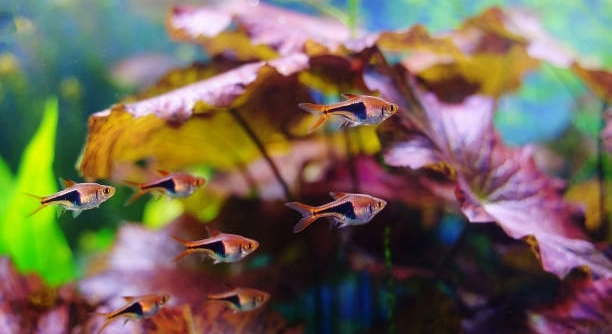
Moving a rasbora tank requires careful planning to keep the fish safe and stress-free. Many aquarists find this process challenging but manageable with the right approach. This article will guide you through effective steps to make the move smoother.
Successfully relocating a rasbora tank involves gradual acclimation to new water conditions, careful transport to minimize stress, and maintaining stable temperature and water quality throughout the process. Each step is crucial to prevent harm and ensure the fish adjust well.
These practical tips will help you protect your rasboras and keep their environment stable during the transition. Following them can make a significant difference in the health and well-being of your fish.
Preparing the Tank and Equipment
Before moving your rasbora tank, it’s important to get everything ready. Begin by cleaning the new tank and setting up the filter and heater. Make sure the water parameters in the new tank closely match the current tank to avoid shocking the fish. Gather containers or bags to safely transport your rasboras. Avoid using anything with soap or chemicals that could harm them. Also, prepare any decorations or plants that will go into the new tank, so they are ready for a quick setup. Taking these steps ahead of time makes the move smoother and safer for your fish.
Moving fish without proper preparation can cause stress and health issues.
By organizing your equipment and matching water conditions in advance, you reduce risks. This preparation helps rasboras adapt more quickly once relocated.
Gradual Acclimation to New Water
Gradual acclimation helps rasboras adjust to the new water environment.
To do this, float the transport bag in the new tank to equalize temperature. Slowly add small amounts of the new tank water into the bag over one to two hours. This process helps the fish get used to any differences in pH, hardness, or other water qualities. Rapid changes in water chemistry can shock them and cause illness. After acclimation, gently release the rasboras into the new tank to minimize stress. Regularly monitor their behavior and health in the following days to catch any signs of distress early. This method supports a healthy transition and improves long-term survival rates.
Transporting Your Rasboras Safely
Use sturdy, leak-proof containers or bags for transporting your rasboras. Avoid overcrowding to reduce stress and oxygen depletion during transit.
Keep the containers in a dark, quiet place during the move. This helps calm the fish and prevents sudden movements that can cause injury. Avoid shaking or sudden temperature changes while transporting. If the trip is long, add an air stone or oxygen tablet to maintain oxygen levels. Handle the containers gently when moving them into the new tank area. Preparing transport carefully ensures your rasboras arrive healthy and less stressed.
Be mindful of temperature changes outside the containers. Avoid leaving them in direct sunlight or extreme cold. Use a cooler or insulated box for longer trips to keep conditions stable. Monitoring transport conditions helps protect your fish from shock. Once you reach your new setup, move quickly to begin acclimation.
Maintaining Water Quality After the Move
Continue to test water parameters daily for at least a week after moving your rasboras. This helps catch any shifts in ammonia, nitrite, or pH early.
Clean the filter regularly but avoid full replacements, which can disrupt beneficial bacteria. Partial water changes can keep the environment stable while removing waste. Avoid overfeeding, as uneaten food degrades water quality quickly. Keep an eye on fish behavior to detect stress or illness early. Proper maintenance helps your rasboras settle and stay healthy in their new home.
Minimizing Stress During the Move
Keep lighting low during the move to reduce fish stress. Avoid loud noises and sudden movements around the tank area.
Limit handling of the fish as much as possible. Stress can weaken their immune system and lead to illness.
Monitoring Fish Behavior Post-Move
Watch your rasboras closely after moving. Look for signs like hiding, loss of appetite, or unusual swimming patterns. Early detection of stress or illness allows for quicker intervention, which improves their chances of recovery. Make sure they eat normally and remain active over the first few days in the new tank.
Feeding Adjustments
Reduce feeding amounts for a few days after moving. This helps prevent water quality issues caused by uneaten food.
Temperature Stability
Maintain a stable temperature to avoid shocking your rasboras. Sudden changes can cause stress and health problems.
How long should I acclimate my rasboras to new water?
Acclimating your rasboras for about one to two hours is usually enough. During this time, slowly mix small amounts of the new tank water into their transport container. This gradual process helps them adjust to changes in temperature, pH, and other water parameters, reducing stress and shock. Longer acclimation isn’t usually necessary unless water conditions differ significantly.
Can I move my rasboras without transferring the tank water?
It’s best not to move your rasboras without any water from their original tank. Transporting them in their familiar water reduces the risk of sudden changes in water chemistry. If space is limited, use small amounts of original tank water mixed gradually with the new water during acclimation.
Is it okay to move the entire tank setup instead of just the fish?
Moving the entire tank, including water and decorations, can work if done carefully. However, it’s heavier and riskier to transport. The filter bacteria and environment remain stable, which reduces stress. If you choose this method, ensure everything is secure and temperature is maintained during the move.
How do I prevent ammonia spikes after moving the tank?
Ammonia spikes happen if fish waste builds up quickly or beneficial bacteria are disturbed. Test water daily and perform small water changes if ammonia rises. Avoid overfeeding and clean the filter gently to keep the bacteria healthy. Using a water conditioner can also neutralize ammonia temporarily.
What should I do if my rasboras seem stressed after moving?
If your fish show signs of stress like hiding, gasping, or loss of appetite, first check water quality and temperature. Improve conditions by performing partial water changes and ensuring stable temperatures. Reduce noise and light around the tank. Sometimes, stress symptoms pass as fish adjust; if they worsen, consider consulting a vet.
Is it necessary to quarantine rasboras before moving them to a new tank?
Quarantine isn’t always required if you’re moving fish within your own tanks. However, if introducing new rasboras or moving between unfamiliar setups, a quarantine period helps prevent disease spread. It’s a good precaution to keep your fish healthy, especially if the new environment has different conditions.
How can I keep oxygen levels stable during transport?
Oxygen is crucial during transport. Use air stones or oxygen tablets if the trip lasts more than an hour. Keep containers sealed but not airtight, and avoid overcrowding. Transporting fish in cooler temperatures slows metabolism, which reduces oxygen demand. This helps rasboras stay calm and healthy during the move.
What’s the best way to handle decorations and plants during the move?
Remove fragile decorations and plants carefully before moving. Rinse them gently to remove debris but avoid using chemicals. Transport them separately in containers with water to keep roots moist. Placing plants and decorations in the new tank before adding fish helps recreate a familiar environment quickly, reducing stress.
Should I change the lighting schedule after moving my rasboras?
Keep the lighting schedule consistent to avoid confusing your fish. If you must change it, do so gradually over several days. Sudden changes in light can increase stress levels and affect their natural behavior. Maintaining regular light and dark cycles supports a healthy routine for rasboras.
Can I add stress-relief products to the water during the move?
Stress-relief additives like water conditioners can help reduce shock during transport. These products often contain ingredients to calm fish and detoxify harmful substances. Use them according to instructions, but don’t rely solely on additives—proper acclimation and careful handling remain essential.
How often should I check water parameters after relocating my rasboras?
Check water parameters like ammonia, nitrite, nitrate, pH, and temperature daily for at least a week after the move. Early detection of imbalances helps you react quickly before problems affect your fish’s health. Use a reliable test kit and keep records to monitor trends.
What signs indicate my rasboras are adapting well to the new tank?
Healthy appetite, normal swimming patterns, and active schooling behavior are good signs your rasboras are adjusting. Clear eyes, intact fins, and bright coloration also show they are comfortable. If these signs appear within a few days, your move was successful.
Can I move other fish species with my rasboras at the same time?
Moving multiple species together can be done but requires extra care. Different species have varying stress levels and water needs. Avoid overcrowding transport containers and acclimate each species properly. Monitor their interactions closely after the move to prevent aggression or stress.
Is it normal for rasboras to hide more after a move?
Yes, hiding is a common stress response after relocating. They feel safer in hiding spots while adjusting. Provide plenty of plants and decorations for cover. If hiding continues for more than a week or is accompanied by other signs like loss of appetite, check water quality or health status.
What should I avoid during the tank move to keep rasboras safe?
Avoid sudden temperature changes, overcrowding in transport containers, rough handling, and dirty equipment. Don’t use soaps or chemicals on tanks or decorations. Keep the environment quiet and dimly lit. Taking these precautions lowers stress and reduces the risk of illness or injury.
Moving a rasbora tank can seem like a big task, but with careful planning and the right steps, it can be done smoothly. Taking time to prepare the new tank, acclimate the fish slowly, and keep water conditions stable makes a big difference. Each part of the process matters because rasboras are sensitive to changes in their environment. When these steps are followed, the fish experience less stress and have a better chance to stay healthy during and after the move.
It is important to watch the fish closely once they are in the new tank. Monitoring water quality and fish behavior helps catch any problems early. Simple actions like doing partial water changes, avoiding overfeeding, and maintaining a steady temperature support their adjustment. Also, minimizing noise, bright lights, and handling helps the fish feel more secure. Even small details can add up to a safer and more comfortable environment for your rasboras. The goal is to make the new tank feel as familiar as possible so the fish settle in quickly.
Finally, patience is key when moving a rasbora tank. It may take a few days or even weeks for the fish to fully adjust to their new home. During this time, continue to provide gentle care and watch for any signs of stress or illness. If problems arise, addressing them quickly can prevent long-term issues. By staying attentive and following good practices, you give your rasboras the best chance to thrive in their new environment. Moving a tank is not just about the physical change—it is about supporting your fish’s well-being every step of the way.

Hello,
If you enjoy the content that we create, please consider saying a "Thank You!" by leaving a tip.
Every little bit helps us continue crafting quality advice that supports the health, happiness, and well-being of pets around the world, for pets of all shapes, sizes, and species.
We really appreciate the kindness and support that you show us!