
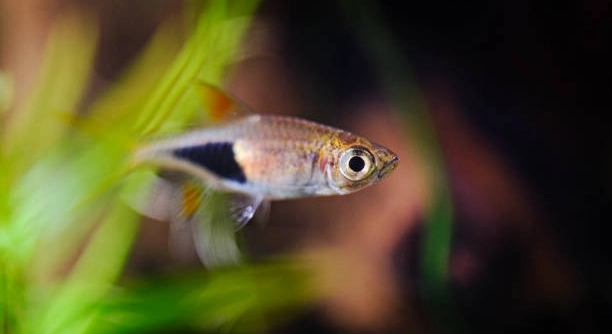
Do your rasboras seem restless or disoriented when swimming alone or in small groups? Their natural instincts may be telling you something important about their well-being and daily behavior in your aquarium setup.
Keeping rasboras in schools provides essential social structure, reduces stress, and encourages natural behaviors like synchronized swimming and group foraging. This schooling habit enhances their health, coloration, and overall liveliness in a well-maintained aquatic environment.
Discover how this simple change in your tank can improve your rasboras’ quality of life and create a more dynamic aquatic display.
Encourages Natural Group Behavior
Rasboras are naturally social fish that thrive in groups. In the wild, they swim in schools for safety, communication, and direction. Mimicking this behavior in a home aquarium helps them feel secure and comfortable. When kept in groups of at least six, rasboras exhibit natural movement patterns that reduce anxiety and promote exploration. Isolated rasboras often become withdrawn or hide, showing signs of stress. Keeping them in a school creates a more stable environment, encouraging confident behavior and active swimming. This helps them interact better with their surroundings and with other fish species in a peaceful, balanced way.
A visible school of rasboras swimming in sync is also more appealing to watch, adding gentle motion and harmony to your tank.
Providing enough space and hiding areas allows them to form schools without feeling overcrowded. Choose tankmates that won’t disrupt their calm behavior. Peaceful surroundings help their schooling habits remain strong and consistent.
Reduces Stress and Boosts Health
Rasboras kept alone often experience unnecessary stress, which can affect their immune system and make them more vulnerable to disease. By schooling, they feel safer and less threatened by changes in their environment or the presence of larger fish.
In groups, rasboras can relax and display stable behaviors. You’ll notice they are more active, feed regularly, and show brighter colors when surrounded by their own kind. Stress can weaken their health over time, but the presence of a school reduces fear and encourages natural movement. This sense of security keeps their behavior balanced, especially in a well-maintained tank with proper water conditions. Group swimming also helps them adapt more quickly to new tanks or changes in décor. The constant presence of others offers emotional comfort, keeping their stress levels low. When rasboras feel safe, they thrive. This not only supports their health but also allows you to enjoy a peaceful, visually appealing aquarium.
Enhances Coloration and Activity
Rasboras often appear dull or pale when stressed or isolated. In schools, their natural colors brighten as they feel safer and more relaxed. The presence of others encourages more vibrant displays and confident swimming throughout the tank.
Color and movement are closely linked to their comfort level. When rasboras feel secure in a school, their shimmering tones become more pronounced, especially under proper lighting. The fish tend to stay mid-water, constantly moving together, which highlights their body patterns and delicate fins. This liveliness not only enhances their appearance but also gives your tank a lively, balanced rhythm. Schooling also helps reduce aggression from tankmates, as rasboras look more unified and less vulnerable. The more confident they feel, the more their appearance reflects their well-being. Regular feeding and stable water conditions help support this effect even more.
Their continuous motion in a school encourages consistent activity. This helps them stay physically healthy and mentally stimulated. A group creates a sense of purpose, leading them to explore more freely and react positively to daily tank routines. You’ll often see them dart together across the tank when curious, which keeps them engaged and alert. These interactions are healthy signs of social comfort and trust in their surroundings.
Promotes Safer Feeding Habits
Feeding time is smoother when rasboras are kept in schools. They feel safer approaching food, which helps reduce hesitation or hiding. More confident feeders are less likely to miss meals or get pushed away by faster tankmates.
In a group, rasboras quickly learn from each other and respond better to routine feeding cues. Once one fish starts eating, the rest follow, making feeding time efficient and less stressful. This collective confidence reduces food waste and supports even growth. When alone, rasboras may skip meals due to fear or anxiety. But in a school, they stay active and alert during feedings. They tend to spread out slightly but remain coordinated, giving each fish better access to food. A healthy, consistent feeding habit helps support immune function and long-term health. With regular feeding in a calm environment, your rasboras will remain strong, active, and well-nourished.
Supports Better Social Interaction
Rasboras in schools interact through body signals and synchronized swimming. This behavior keeps them alert and connected, reducing the chances of stress-related conflict. These interactions also help them adjust better to tank changes and new additions.
They also become more peaceful around other species when schooling. Rasboras avoid aggression and stay focused on their group.
Increases Breeding Success
Breeding rasboras becomes easier when they’re kept in groups. The presence of multiple individuals helps trigger natural mating behaviors, especially in a calm, clean tank with soft, slightly acidic water. Males often become more vibrant and display to attract females, while females feel more secure when surrounded by others. A proper school improves their overall comfort, which supports courtship and egg-laying. With plenty of plants and hiding spaces, eggs are better protected, and stress remains low. Observing these behaviors is also easier when fish are confident. Keeping them in schools doesn’t just support general health—it makes breeding efforts more successful and predictable.
Builds a Peaceful Tank Dynamic
Rasboras help create a calm aquarium. Their gentle nature and consistent group movement reduce tension and prevent disruptions among tankmates.
How many rasboras should be kept in a school?
Rasboras feel most comfortable in groups of six or more. Keeping fewer than six can cause stress and unnatural behavior. Larger groups promote synchronized swimming and social interaction, which supports their health. A group of eight to ten is often ideal for most tank sizes, allowing enough space for movement without overcrowding.
Can rasboras live with other fish species?
Yes, rasboras are peaceful and do well with other non-aggressive fish. They thrive with similar-sized species that do not bully or compete aggressively for food. Avoid larger, predatory fish that may stress or harm them. Good tankmates include small tetras, peaceful gouramis, and bottom-dwellers like Corydoras catfish.
What tank size is best for schooling rasboras?
A minimum of 20 gallons is recommended to keep a small school of rasboras comfortably. This provides enough swimming space for their active schooling behavior. Larger tanks offer more room for groups and tankmates, reducing territorial disputes. Proper filtration and regular maintenance are also essential for healthy conditions.
Do rasboras need specific water conditions?
Rasboras prefer soft, slightly acidic to neutral water with temperatures between 72°F and 78°F (22°C to 26°C). Stable parameters support their well-being and encourage natural behaviors. Regular water changes and monitoring pH, hardness, and temperature help keep rasboras healthy and vibrant.
How often should I feed my rasboras?
Feed rasboras small amounts once or twice daily. A varied diet of high-quality flakes, micro pellets, and occasional live or frozen foods like brine shrimp or daphnia is ideal. Avoid overfeeding, which can pollute the water and harm fish health.
What signs show rasboras are stressed?
Stressed rasboras may hide excessively, swim erratically, or lose color. They might refuse food or isolate themselves from the group. Stress often results from poor water quality, inadequate schooling numbers, or aggressive tankmates. Addressing these issues quickly helps restore their natural behavior and appearance.
Is breeding rasboras difficult?
Breeding rasboras requires patience and the right environment. They need clean water, plenty of plants for egg-laying, and a stable temperature. A well-maintained school encourages natural courtship. Removing adults after spawning helps protect the eggs.
How can I encourage schooling behavior?
Keep a minimum group size and provide open swimming space. Avoid sudden changes in tank setup or water parameters, as rasboras rely on stability. Consistent feeding and low-stress conditions promote synchronized movement and social bonding.
What plants work best in a rasbora tank?
Soft-leaved plants like Java fern, Anubias, and floating plants create natural cover and calm lighting. These plants offer hiding spots and simulate the rasboras’ natural habitat. Dense planting at the tank’s edges helps maintain schooling behavior in the open center.
Are rasboras suitable for beginner aquarists?
Yes, rasboras are hardy and adapt well when kept in proper schools. Their peaceful nature and moderate care needs make them excellent for beginners interested in schooling fish. Proper research on water conditions and tank mates is important for success.
This FAQ covers the key points to help you create a healthy environment for your rasboras and understand their schooling benefits more fully.
Keeping rasboras in schools brings many benefits that improve their health and happiness. When these small fish are grouped together, they show natural behaviors like synchronized swimming and social interaction. This helps reduce stress and makes them feel safer in their environment. A school of rasboras looks lively and vibrant, creating a calm and peaceful atmosphere in your aquarium. Their colors become brighter and their movements more active, which is a sign of good well-being. Overall, schooling helps rasboras thrive and maintain a balanced lifestyle within the tank.
The health advantages of keeping rasboras in schools are clear. Stress can weaken fish and make them prone to illness, but when rasboras are in groups, they feel more secure. This reduces fear and anxiety that can arise from being alone or isolated. In a school, they feed better and maintain steady activity levels, both important for physical health. Breeding also improves with schooling, as the fish engage in natural courtship behaviors when surrounded by others. Maintaining stable water conditions, feeding regularly, and giving the school enough space will help support these benefits over time.
Creating a comfortable home for your rasboras means understanding their social needs. Choosing the right number of fish, providing enough room, and ensuring peaceful tankmates are key factors. Plants and hiding spots help them feel safe and encourage natural behavior. Watching a healthy school of rasboras can be rewarding, as their coordinated swimming and bright colors add life to your aquarium. Keeping them in schools is not just about appearance, but also about promoting a healthy, stress-free environment that supports their well-being every day.

Hello,
If you enjoy the content that we create, please consider saying a "Thank You!" by leaving a tip.
Every little bit helps us continue crafting quality advice that supports the health, happiness, and well-being of pets around the world, for pets of all shapes, sizes, and species.
We really appreciate the kindness and support that you show us!