
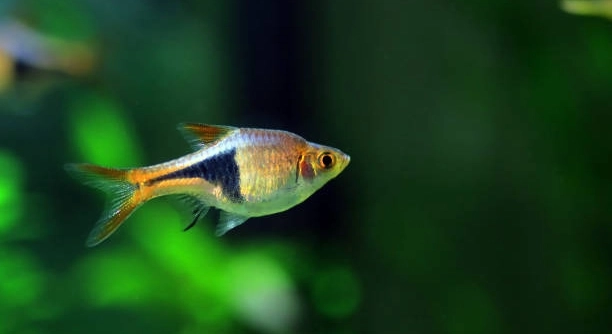
Are your new rasboras acting oddly or not thriving as expected in their new tank? You might be making common beginner mistakes.
The most frequent mistakes new rasbora owners make include overcrowding, poor water quality, inadequate tank cycling, and incorrect feeding. These issues can cause stress, disease, and shortened lifespans in these sensitive and social freshwater fish.
Understanding these mistakes will help you create a safe, healthy environment that supports your rasboras’ wellbeing from the start.
Mistake 1: Skipping the Nitrogen Cycle
New rasbora owners often rush to add fish before properly cycling the tank. Skipping this step can lead to dangerous spikes in ammonia and nitrite, which are toxic to rasboras. The nitrogen cycle allows beneficial bacteria to establish and break down waste. Without it, fish can experience stress, illness, or death. It’s important to use a test kit and monitor levels closely before introducing rasboras. Even if the tank looks clean, it may not be safe. Cycling typically takes several weeks, and patience during this time makes a big difference in long-term fish health.
Skipping the cycle puts your rasboras at risk and makes maintaining stable water conditions harder in the future.
Taking the time to understand the cycle, using ammonia sources, and testing regularly will help establish a healthy tank. This step forms the foundation for every other part of your rasboras’ care, especially since they’re sensitive to unstable conditions.
Mistake 2: Overcrowding the Tank
Rasboras are social fish, but too many in a small tank creates problems quickly. Overcrowding leads to territorial stress, higher waste levels, and lower oxygen. This combination can weaken your fish and make them more prone to disease.
To avoid this, follow the general rule of one inch of fish per gallon, but adjust based on filtration and plant density. A 10-gallon tank is fine for a small school of rasboras, but larger tanks are better. Make sure there’s enough swimming space and hiding areas. Overstocking increases cleaning needs and makes it harder to keep water parameters stable. Rasboras thrive in well-planted tanks with open areas for swimming. If space feels cramped or the fish seem restless, consider reducing the group size or upgrading to a bigger aquarium. Always research the adult size and activity level of your rasbora species before choosing how many to keep together.
Mistake 3: Feeding Incorrectly
Rasboras have small mouths and do best with fine, high-quality food. Large pellets or flakes can go uneaten, leading to waste buildup. Overfeeding is also common and can quickly cause poor water quality and health issues.
Feed rasboras once or twice a day, offering only what they can eat in two minutes. Choose food that matches their size—like micro pellets, crushed flakes, or live/frozen options such as daphnia and brine shrimp. Uneaten food should always be removed to avoid cloudy water and ammonia spikes. Rasboras will enjoy variety, but changes should be introduced slowly to avoid digestive issues. Be cautious with high-protein foods, as too much can cause bloating. Consistency and balance are key. Feeding the right amount not only keeps the tank cleaner but helps your rasboras stay active, colorful, and healthy over time.
Watch your rasboras during feeding to see if food reaches all of them. Sometimes dominant fish eat first while others miss out. Spreading food around the tank can help reduce competition. Also, skipping a feeding day once a week allows their digestive system to reset and prevents overfeeding. Small adjustments to your feeding routine can improve both the water quality and your rasboras’ overall condition noticeably.
Mistake 4: Choosing the Wrong Tankmates
Not all fish are peaceful enough to live with rasboras. Some tankmates nip fins or compete aggressively for food, leaving rasboras stressed. Stress can cause your rasboras to lose color, hide often, or become more prone to illness over time.
Stick to calm, community-friendly fish like small tetras, Corydoras, or snails. Avoid aggressive species and large fish that see rasboras as prey. Look at how fast the other fish eat too—rasboras can miss out if others grab all the food. Match species with similar temperaments and environmental needs. A peaceful setup keeps your rasboras confident and active. Before buying new fish, research their behavior and check if they thrive in similar water parameters. A balanced community tank supports health and stability. When the wrong tankmates are added, it often leads to stress-related problems that could’ve been avoided with careful planning. A little research ahead of time makes a big difference.
Mistake 5: Using Inconsistent Water Parameters
Rasboras need stable water conditions to stay healthy. Fluctuations in pH, temperature, or hardness can weaken their immune systems and lead to stress. Always test regularly and match new water closely when doing partial water changes.
A sudden temperature drop during water changes or inconsistent pH from untreated tap water are common issues. Using a reliable heater and dechlorinator helps maintain balance.
Mistake 6: Ignoring Their Need for Cover
Rasboras feel safer with plants and hiding spots. An open tank makes them anxious and causes them to stay near the bottom or hide. Live or silk plants, driftwood, and gentle lighting help them feel more secure and bring out natural behavior.
Mistake 7: Not Quarantining New Fish
Adding new fish without quarantine can introduce disease. Even healthy-looking fish may carry parasites or bacteria. A separate tank for observation protects your rasboras from possible outbreaks and gives you time to spot any signs of illness.
FAQ
What is the best water temperature for rasboras?
Rasboras prefer water temperatures between 72°F and 79°F (22°C to 26°C). Keeping the temperature stable within this range is important because sudden fluctuations can stress them and lower their immune response. Use an aquarium heater with a thermostat to maintain a consistent temperature, especially in cooler environments.
How often should I change the water in my rasbora tank?
Partial water changes of about 20-30% every one to two weeks are ideal. This helps keep nitrate levels low and maintains good water quality. Avoid changing too much water at once, which can shock your fish by altering water parameters suddenly.
Can rasboras live alone?
Rasboras are schooling fish, so they should be kept in groups of at least six. Keeping them alone or in small groups can cause stress and make them shy or inactive. A larger group helps them display natural behaviors and feel secure.
What should I feed my rasboras?
Feed a balanced diet consisting of high-quality micro pellets, crushed flakes, and occasional live or frozen foods like daphnia, brine shrimp, or bloodworms. Feed small amounts once or twice daily, only what they can consume in a couple of minutes to avoid overfeeding and water pollution.
How do I know if my rasboras are stressed?
Signs of stress include loss of color, hiding more than usual, clamped fins, erratic swimming, or reduced appetite. Stress often comes from poor water quality, overcrowding, or aggressive tankmates. Addressing these factors quickly can prevent illness.
Can I keep rasboras with other fish?
Yes, but choose peaceful, similarly sized fish like small tetras or Corydoras catfish. Avoid aggressive species or large fish that may harass or eat rasboras. Compatibility is key to a calm and healthy community tank.
How large should my tank be for rasboras?
A minimum of 10 gallons is recommended for a small school of rasboras. Larger tanks offer more stable water conditions and swimming space, which is better for their wellbeing. Always consider the adult size of your rasbora species before deciding on tank size.
Why are my rasboras not eating?
Loss of appetite can be due to stress, poor water quality, illness, or incorrect food size. Check water parameters and tank conditions first. Try offering live or frozen foods to stimulate feeding, and observe for other signs of sickness.
How often should I test my aquarium water?
Test water at least once a week for ammonia, nitrite, nitrate, and pH. Regular testing helps catch issues early before they harm your fish. Use reliable test kits and keep a log to track any changes over time.
What plants work best with rasboras?
Soft-leaved plants like Java fern, Anubias, and Cryptocoryne provide good hiding places and are easy to care for. Floating plants can also reduce bright light, creating a comfortable environment that mimics their natural habitat. Plants help maintain water quality and reduce stress.
Taking care of rasboras can be a rewarding experience, but it requires attention to several important details. These fish are sensitive and need stable conditions to thrive. Ensuring your tank is properly cycled, avoiding overcrowding, and maintaining consistent water parameters are some of the most important steps you can take. Feeding them the right food in the right amounts also plays a big role in keeping them healthy. Rasboras enjoy being in groups, so providing enough space and suitable tankmates helps reduce stress and promotes natural behavior.
Mistakes like skipping quarantine, ignoring their need for hiding spots, or choosing aggressive tankmates can lead to health problems and shorten their lifespan. Many problems come from stress, which lowers their ability to fight off disease. Taking the time to prepare your tank well and watching closely for signs of stress or illness can prevent many common issues. Regular water testing and gentle maintenance routines support a stable environment. In addition, live plants and decorations give rasboras safe places to swim and hide, making them feel secure.
By focusing on these basics, you create a healthy home for your rasboras. Their peaceful nature and beautiful colors make them a joy to watch when cared for properly. Learning about their needs helps you avoid common mistakes and build confidence in your fishkeeping skills. With patience and care, your rasboras can live long, happy lives in a balanced aquarium environment. Taking small, consistent steps to meet their needs ensures they stay vibrant and active, adding calm beauty to your tank.

Hello,
If you enjoy the content that we create, please consider saying a "Thank You!" by leaving a tip.
Every little bit helps us continue crafting quality advice that supports the health, happiness, and well-being of pets around the world, for pets of all shapes, sizes, and species.
We really appreciate the kindness and support that you show us!