
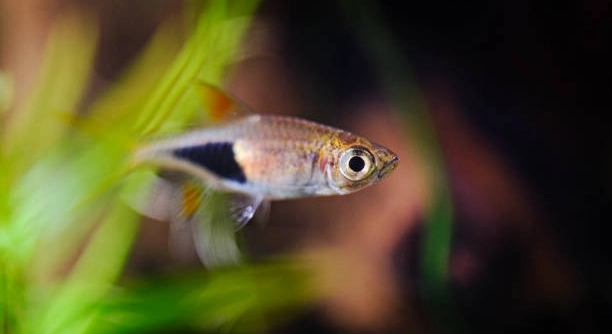
Male and female rasboras often look quite similar, making it tricky to tell them apart. Many fishkeepers want to learn simple ways to distinguish the two without specialized tools or complicated methods. Knowing the difference helps in caring for them properly and breeding them successfully.
Male rasboras usually have slimmer bodies and more vibrant colors, while females tend to be rounder, especially when carrying eggs. Males often have longer fins and more intense markings, which are reliable physical traits used for gender identification in most rasbora species.
Recognizing these differences can improve your experience in maintaining a healthy aquarium and supporting your rasboras’ natural behaviors. The following details will help clarify how to spot the subtle distinctions with ease.
Physical Differences Between Male and Female Rasboras
Male and female rasboras show some clear physical differences that help with identification. Males are generally slimmer and have sharper, more pointed fins. Their colors tend to be brighter and more intense, especially during breeding season. Females are usually rounder, especially around the belly, which becomes noticeable when they are carrying eggs. This roundness is one of the easiest ways to tell females apart from males. Males often display longer and more elaborate fins compared to females. The size difference between the sexes can also be a clue, with females sometimes growing slightly larger due to their egg-carrying capacity. These visual cues are consistent across many rasbora species, though slight variations can occur depending on the specific type. Observing the fish over time makes these distinctions easier to spot as colors deepen and body shapes change during breeding phases.
Physical traits are the most reliable way to distinguish between male and female rasboras in everyday aquarium care.
Understanding these physical differences helps maintain balanced groups in your tank and supports healthy breeding practices.
Behavioral Traits That Help Identify Gender
Males often show more territorial and active behaviors, especially during breeding times. They may swim more aggressively and display their fins to attract females. Females usually swim more calmly and avoid confrontations. During courtship, males perform distinct movements to impress females. Females respond by showing readiness to spawn through subtle changes in swimming patterns. Observing these behaviors can give clear hints about the gender of your rasboras, especially when physical differences are not obvious. Male rasboras may also chase females gently to encourage spawning, while females tend to be more passive. Behavioral observation works best when the fish are healthy and comfortable in their environment. Combining both physical and behavioral clues provides a more accurate way to tell males and females apart. Patience is key, as behaviors may vary depending on the fish’s mood and surroundings.
Color Variations in Male and Female Rasboras
Males usually have brighter and more vivid colors than females. This difference is most noticeable during breeding season when males display their best hues to attract mates.
The color intensity in males is linked to their role in courtship and territorial behavior. Females tend to have duller, softer colors, which help them blend in more easily with their environment. This difference in coloration can be subtle in some rasbora species but very clear in others. Paying attention to the brightness and contrast of their scales can make identifying males easier.
Color changes also depend on the fish’s health and mood. Stress or poor water quality can dull the colors of both males and females. Keeping the tank clean and stable helps bring out natural colors, making gender differences easier to see. Lighting conditions also affect how vivid the colors appear.
Size and Body Shape Differences
Females often have a fuller, rounder body, especially when they are ready to spawn. Males tend to be slimmer and more streamlined, which suits their active behavior.
The size difference is sometimes subtle but generally noticeable over time. Female rasboras can appear more robust due to egg development, which increases their belly size. This roundness is a key indicator, especially in adult fish. Males remain more slender and agile, with a slightly longer, more tapered body shape. Watching your fish regularly helps recognize these traits as they grow.
Body shape affects swimming style, with males usually more energetic and females swimming with a calmer, steadier pace. Both shapes are natural and suited to their roles in reproduction and daily activity.
Fin Differences Between Males and Females
Males usually have longer, more pointed fins compared to females. These fins often look sharper and more elaborate.
Female fins are generally shorter and rounder, fitting their softer body shape. This difference is easier to spot when the fish are mature.
Breeding Behavior
During breeding, males display more vibrant colors and flare their fins to attract females. They often chase females gently to encourage spawning. Females respond by showing readiness through subtle movements and swimming close to plants or surfaces where they can lay eggs. This courtship behavior is a clear sign of gender and helps differentiate males from females in a community tank.
When Physical Traits Are Unclear
If physical differences are hard to see, watching behavior over time can help. Males tend to be more active and territorial, while females stay calmer and more reserved.
FAQ
How can I tell if my rasbora is male or female without special tools?
The easiest way is to look at body shape and coloration. Males are usually slimmer with brighter colors, while females have rounder bellies and duller colors. Observing their fins can help too—males have longer, pointed fins, females shorter and rounder ones. Behavior during breeding also provides clues, as males become more active and display their fins.
Why do male rasboras have brighter colors than females?
Males show brighter colors mainly to attract females during breeding. These vivid colors signal health and vitality, increasing their chances of mating. Females have duller colors to blend in better with their surroundings, which helps protect them from predators, especially when carrying eggs.
Can I tell the gender of a young rasbora easily?
It is harder to distinguish young rasboras because their physical traits are not fully developed. Color differences and fin shapes become more noticeable as they mature. Patience is important—waiting until they are older gives you a clearer idea of their gender.
Do all rasbora species have the same gender differences?
Most rasbora species show similar patterns, such as males being more colorful and slimmer, and females rounder with duller colors. However, some species may have slight variations, so it helps to research your specific rasbora type for more detailed information.
Can stress affect the appearance of male and female rasboras?
Yes, stress can dull the colors of both males and females, making gender differences harder to see. Poor water quality, overcrowding, or illness can cause this. Keeping a clean, stable tank helps maintain their natural appearance and makes it easier to tell males from females.
How important is knowing the gender of my rasboras?
Knowing the gender helps with breeding plans and maintaining a balanced aquarium. Males can be territorial, so having too many may cause stress. Identifying females ensures you can support their needs during spawning. It also helps prevent aggression and keeps the group peaceful.
What behavior shows a male rasbora is ready to breed?
Males become more active and display their fins to attract females. They may chase females gently and swim in more visible areas of the tank. Their colors usually become brighter during this time, making their courtship behavior easier to spot.
Are there risks in mixing too many males or females in one tank?
Yes. Too many males can lead to fighting and stress due to territorial behavior. Too many females without males will prevent breeding. Maintaining a good balance helps keep your rasboras healthy and reduces aggression.
Can I tell gender by size alone?
Size alone isn’t always reliable, but females often appear slightly larger or fuller due to egg development. Males tend to be slimmer and sometimes smaller. It’s best to use size along with color, fin shape, and behavior to identify gender correctly.
How long does it take for rasboras to show clear gender traits?
Most rasboras show clear gender differences once they reach maturity, usually around six months old. Before that, differences are subtle and harder to see. Regular observation will help you notice changes as they grow.
Final Thoughts
Telling male and female rasboras apart can seem tricky at first, but with careful observation, it becomes easier. Paying attention to their body shape, colors, and fin differences gives you good clues about their gender. Males are usually slimmer with brighter colors and longer fins, while females tend to have rounder bodies and duller colors. These physical traits are the most reliable way to identify their gender, especially as they mature. Watching how they behave, especially during breeding, also helps confirm if a rasbora is male or female. Males often display active courtship behaviors, while females are more calm and passive.
Understanding the differences between male and female rasboras can help you take better care of your fish. It allows you to set up your aquarium in a way that reduces stress and aggression. For example, knowing how many males and females you have can help prevent fights caused by territorial behavior. It also helps if you want to breed your rasboras, as you can select healthy pairs and create the right environment for spawning. Keeping the tank clean and stable supports their natural colors and behaviors, making it easier to spot gender differences.
Overall, being able to tell male from female rasboras improves your experience as a fishkeeper. It makes it more rewarding to see healthy, active fish that behave naturally. Taking time to observe and learn about your rasboras will deepen your connection with them and ensure they live well in your care. With patience and attention, you’ll feel confident in identifying and understanding the unique traits of both male and female rasboras. This knowledge is helpful for maintaining a balanced, peaceful tank where all your fish can thrive.

Hello,
If you enjoy the content that we create, please consider saying a "Thank You!" by leaving a tip.
Every little bit helps us continue crafting quality advice that supports the health, happiness, and well-being of pets around the world, for pets of all shapes, sizes, and species.
We really appreciate the kindness and support that you show us!