
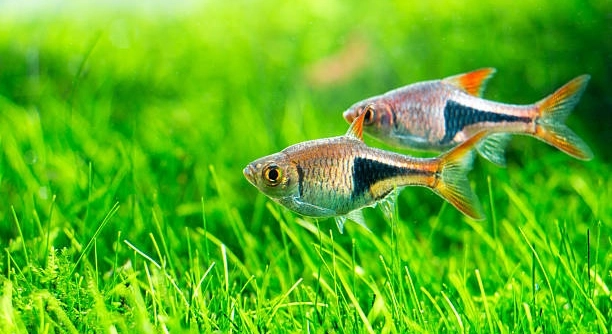
Rasboras are small, colorful fish that many people keep in home aquariums. Their behaviors can sometimes seem quiet or subtle, but they do show signs of affection in their own way. Understanding these behaviors helps build a better connection with them.
Rasboras show affection primarily through close swimming, gentle nipping, and staying near their companions or owners. These actions indicate comfort, social bonding, and trust, reflecting their natural schooling instincts and desire for interaction within their environment.
Learning about how rasboras express themselves enriches your experience as an owner. Recognizing their affectionate signals can improve their care and your relationship with these charming fish.
How Rasboras Use Swimming Patterns to Show Affection
Rasboras often swim close together in tight groups, a behavior that signals affection and trust. When they stay near each other, it shows they feel safe and comfortable. In aquariums, this schooling behavior helps reduce stress and builds social bonds. You might notice them swimming side by side or following each other around. Sometimes, a rasbora will swim slowly near its owner or linger around the front of the tank. This gentle movement is another sign they recognize and feel secure with their surroundings. Watching these subtle cues can help you better understand their needs. It also means they are happy and emotionally healthy. When they swim apart or hide, it could mean they are stressed or unwell, so paying attention to swimming patterns is important for their care.
Schooling behavior is the key way rasboras express connection and comfort within their group or environment.
Besides swimming close together, rasboras may also perform small, quick movements like darting or flicking their fins. These actions can be playful or ways to communicate with others. When they nudge each other gently, it’s often a friendly interaction. This behavior keeps the group connected and signals acceptance. In tanks with multiple rasboras, these patterns help maintain harmony and reduce aggression. It’s common for rasboras to mirror each other’s movements, reinforcing their bond. Owners can encourage this by keeping the tank environment stable and providing enough space for natural swimming. Observing these small behaviors offers insight into how your fish relate and express comfort or affection toward their group and surroundings.
Physical Touch and Interaction Among Rasboras
Physical contact between rasboras, like gentle nipping or brushing, is a form of affectionate communication. This light touch helps them stay connected and shows they feel secure in their environment.
Rasboras use gentle fin touches or nudges to acknowledge each other. These behaviors strengthen social bonds and signal peaceful intentions. Unlike aggressive biting, this contact is soft and brief. It helps maintain group cohesion and reduces tension. In a well-maintained aquarium, this interaction indicates the fish are comfortable and healthy. When rasboras feel safe, they will often swim close enough to touch without signs of stress or chasing. This tactile communication is subtle but important for their social life. Providing hiding spots and a calm environment supports this positive behavior, making your rasboras feel at ease and more affectionate with each other.
Vocal and Nonverbal Communication in Rasboras
Rasboras mainly communicate through body language rather than sound. Their movements, fin displays, and positioning are key signals in their interactions.
Watching how rasboras position their fins or change their swimming speed helps reveal their feelings. When a rasbora fans its fins wide or flares its body, it may be showing excitement or alertness. Slow, relaxed movements suggest calmness and comfort. Rapid darting can signal stress or playfulness depending on context. These visual cues help rasboras interact without making noise. Subtle gestures like leaning into each other or aligning their bodies side by side show affection and trust. Recognizing these signs helps owners understand when the fish feel secure or when the environment might be causing tension.
Their nonverbal signals extend to interactions with humans as well. Rasboras may swim closer when they recognize a person or feed time is near. This quiet communication builds a gentle connection without disturbance.
Environmental Factors Affecting Rasbora Affection
Tank conditions strongly influence how comfortably rasboras express affection and social behavior. Poor water quality or cramped spaces reduce their natural interactions.
Stable water temperature, clean filters, and enough swimming room encourage natural bonding behaviors. When the environment is suitable, rasboras swim in groups, gently touch, and display calm movements. Overcrowding causes stress, making fish hide or avoid each other, reducing affectionate displays. Proper lighting and plants also contribute to a relaxed atmosphere, supporting positive social interactions. Tank decorations like smooth rocks and plants provide places for rest and security, helping rasboras feel safe. This sense of security is essential for them to show trust and affection openly. Keeping the aquarium balanced creates a peaceful setting where rasboras thrive socially.
Owners should regularly monitor water parameters and avoid sudden changes to maintain a healthy environment that supports affectionate behaviors.
Rasbora Breeding Behavior and Affection
During breeding, rasboras show increased closeness and interaction. Males often display brighter colors to attract females.
This behavior signals strong bonding and affection between potential mates. The caring actions help ensure successful reproduction and group survival.
Recognizing Stress Versus Affection in Rasboras
It’s important to distinguish affectionate behavior from signs of stress. Erratic swimming, hiding, or fin clamping usually indicate discomfort.
Observing consistent, gentle interactions means your rasboras are comfortable. Stressful signs require quick attention to tank conditions or health.
How Feeding Time Strengthens Bonds
Feeding time often encourages rasboras to swim closer to each other and their owners. This shared routine builds trust and familiarity.
FAQ
How can I tell if my rasbora is showing affection?
Rasboras show affection by swimming close together, gently nudging each other, and staying near their tank mates or owners. They move calmly and often mirror one another’s movements. When they appear relaxed and interact quietly, it usually means they feel comfortable and connected.
Why do rasboras swim in groups?
Swimming in groups, or schooling, is a natural behavior for rasboras. It helps them feel safe and reduces stress. Being close to each other shows trust and social bonding. This behavior is important for their emotional well-being and reflects affection among the fish.
What behaviors mean my rasbora is stressed, not affectionate?
Signs of stress include frantic swimming, hiding for long periods, clamped fins, or loss of appetite. Unlike gentle interactions, stressed rasboras act restless or avoid others. If you see these signs, check the water quality, temperature, and tank setup immediately.
Do rasboras show affection toward humans?
While rasboras do not show affection like pets that enjoy physical touch, they may swim closer to you when they recognize feeding times or feel comfortable. This behavior shows trust and recognition rather than direct affection.
Can the environment affect rasbora social behavior?
Yes. Clean water, proper temperature, enough space, and plants or hiding spots all help rasboras feel secure. A well-maintained tank encourages natural affectionate behaviors like schooling and gentle touching.
How does breeding affect rasbora affection?
During breeding, males become more colorful and show increased interaction with females. These behaviors help form bonds and ensure successful mating. Watching these changes can help owners understand their fish better.
Is physical contact among rasboras normal?
Yes, gentle nipping or fin touching happens often. This light contact helps strengthen social bonds. It is different from aggressive biting, which is rare when the tank conditions are good.
What should I do if my rasboras stop schooling or showing affection?
Changes in behavior often mean something is wrong. Test water quality, check for illness, and review tank conditions. Improving the environment and ensuring proper care usually helps restore their natural behaviors.
How does feeding time impact rasbora behavior?
Feeding time encourages rasboras to swim closer to each other and to you. This routine builds trust and comfort in their environment, strengthening their social bonds.
Can I encourage affection between rasboras?
Maintaining a healthy, stable environment is the best way. Providing enough space, proper tank mates, and a calm setting allows affectionate behaviors to develop naturally. Avoid sudden changes to reduce stress.
Rasboras are small fish that express affection in subtle and natural ways. Their behaviors, like swimming close together, gentle nudging, and calm movements, show they feel safe and comfortable in their environment. These signs of connection are important for their well-being. When rasboras are relaxed and interact peacefully with others, it means their social needs are being met. Paying attention to these small details helps owners provide better care and build a more meaningful connection with their fish.
The environment plays a crucial role in how rasboras behave and show affection. Clean water, appropriate temperature, enough space, and places to hide make a big difference. When the tank is well-maintained, rasboras display more natural and positive behaviors. Stressful conditions, like overcrowding or poor water quality, often cause them to hide or act restless instead of showing affection. Keeping the aquarium stable supports their health and allows their true personalities to shine through. Understanding how these factors affect rasboras helps owners create a comfortable home where the fish can thrive.
Observing rasboras closely over time is the best way to understand their affectionate behaviors. Each fish may show affection slightly differently, but their need for social connection is clear. Whether through their swimming patterns, physical contact, or response to feeding, rasboras communicate in ways that reveal their comfort and trust. Recognizing these signs helps maintain a peaceful and healthy aquarium environment. Providing care with attention to their natural habits will lead to a more rewarding experience for both the fish and their owners.

Hello,
If you enjoy the content that we create, please consider saying a "Thank You!" by leaving a tip.
Every little bit helps us continue crafting quality advice that supports the health, happiness, and well-being of pets around the world, for pets of all shapes, sizes, and species.
We really appreciate the kindness and support that you show us!