
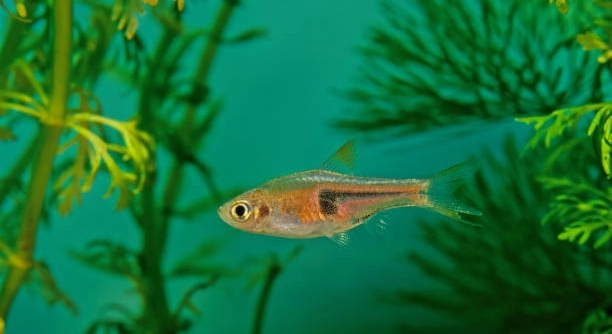
Caring for a rasbora goes beyond feeding and cleaning the tank. Many owners want to make sure their fish live a happy and healthy life. Simple changes can improve their daily experience and overall well-being.
Enriching a rasbora’s life involves creating a stimulating environment, providing proper nutrition, maintaining water quality, and encouraging natural behaviors. These steps help support physical health and mental engagement, contributing to the fish’s longevity and vitality.
Small adjustments in their habitat and routine can make a big difference. Learning easy ways to enhance their life ensures your rasbora thrives in its home.
Create a Natural Environment
Rasboras feel most comfortable in tanks that resemble their natural habitat. Using live plants, smooth gravel, and hiding spots like small caves or driftwood helps mimic the gentle streams and calm waters they come from. Plants also improve water quality by absorbing nitrates, which keeps the tank healthier. Adding floating plants can provide shaded areas and make the tank feel less exposed, reducing stress for your fish. Soft lighting helps as well, since bright lights can make rasboras nervous. A well-planted tank encourages natural behavior like exploring and hiding, which keeps them active and engaged. Avoid overcrowding the tank, as too many fish can lead to stress and poor water conditions. Taking time to set up a balanced and peaceful environment allows your rasbora to thrive both physically and mentally.
Creating this kind of habitat benefits your rasbora’s well-being and encourages natural movement and social interaction.
A tank designed with their needs in mind makes daily life more enjoyable. Your rasbora will display more vibrant colors and active behavior when surrounded by plants and quiet spaces. This environment supports their health and helps prevent illnesses caused by stress or poor water quality. It also gives you the chance to observe interesting behaviors as they explore or interact with their tank mates. Taking care to balance decoration with open swimming areas keeps the tank functional and pleasant for your fish. With a natural setup, your rasbora can feel safe and more at home.
Provide a Balanced Diet
Offering a variety of foods ensures your rasbora gets all the nutrients it needs.
Feeding a mix of high-quality flakes, frozen or live foods like daphnia, brine shrimp, and bloodworms supports healthy growth and bright coloration. Avoid overfeeding, as leftover food can pollute the tank and harm water quality. Feeding small amounts once or twice a day is enough. A varied diet keeps your fish interested in eating and prevents nutrient deficiencies that can affect their immune system and energy levels. Treats like finely chopped vegetables can also add fiber to their diet. Changing up their meals occasionally encourages natural foraging behaviors and adds enrichment to their day. Proper nutrition plays a big role in maintaining your rasbora’s overall health and vitality.
Maintain Clean Water
Clean water is essential for your rasbora’s health. Regular water changes and proper filtration keep toxins low and oxygen levels high.
Changing about 25% of the water weekly removes waste and prevents harmful buildup. Use a gravel vacuum to clean the substrate gently without disturbing the fish too much. A good filter helps maintain stable water conditions but should not create strong currents, as rasboras prefer calm water. Testing the water regularly for ammonia, nitrite, and nitrate ensures the environment stays safe. Avoid sudden changes in temperature or chemistry, which can stress the fish and lead to illness.
Maintaining consistent water quality supports your rasbora’s immune system and promotes longevity. Keeping the tank clean reduces algae growth and keeps the fish more active and colorful. Clear water also allows you to observe your fish’s behavior and spot any early signs of trouble. Routine maintenance is a small effort that makes a big difference in their daily comfort and health.
Encourage Social Interaction
Rasboras are schooling fish and thrive when kept in groups of at least six.
Having companions reduces stress and encourages natural schooling behavior. Alone, they can become shy and less active, but in groups, their colors brighten, and they swim confidently. Social interaction helps keep them mentally stimulated and reduces aggressive tendencies in the tank. When choosing tank mates, pick peaceful species that share similar water needs and temperament to avoid conflict. Proper group sizes and compatible companions create a balanced community where rasboras can express their natural behaviors freely.
Provide Gentle Lighting
Rasboras prefer soft, gentle lighting that mimics their natural environment. Bright lights can cause stress and make them hide more often.
Using dimmable or indirect lighting helps keep them calm and encourages natural activity. Adding floating plants can diffuse light and create shaded areas they enjoy.
Add Safe Hiding Places
Including plenty of hiding spots helps rasboras feel secure and reduces stress. Small caves, dense plants, or driftwood are perfect for this.
These shelters give them places to retreat when they need rest or feel threatened, supporting their mental well-being and natural instincts.
Monitor Tank Temperature
Keep the tank temperature stable between 72°F and 78°F (22°C to 26°C). Sudden changes can stress rasboras and weaken their immune system.
A reliable heater and thermometer ensure the water stays within this range for a healthy environment.
FAQ
How often should I feed my rasbora?
Feeding once or twice a day in small amounts is best. Overfeeding can lead to leftover food that pollutes the tank. Make sure your rasbora eats all the food within a few minutes. Variety in their diet, including flakes and occasional live or frozen foods, keeps them healthy and interested in eating.
What tank size is ideal for rasboras?
A tank of at least 10 gallons works well for a small school of rasboras. Since they are active swimmers and schooling fish, they need enough space to move comfortably and interact. Larger tanks are better for bigger groups or community setups.
Can rasboras live with other fish?
Yes, rasboras are peaceful and do well with other small, non-aggressive fish that enjoy similar water conditions. Avoid keeping them with large or aggressive species that might stress or harm them.
How often should I change the water?
Changing about 25% of the tank water weekly helps keep the environment clean and safe. Regular water changes remove waste and reduce harmful chemicals that can build up over time.
What are signs my rasbora is stressed?
If your rasbora hides constantly, stops eating, or shows faded colors, it may be stressed. Stress can come from poor water quality, too much light, or aggressive tank mates. Checking these factors and improving tank conditions helps reduce stress.
What temperature is best for rasboras?
Rasboras thrive in water temperatures between 72°F and 78°F (22°C to 26°C). Using a heater and thermometer keeps the tank stable. Sudden temperature changes can weaken their immune system.
Is it necessary to add plants in the tank?
Live plants are highly beneficial. They provide hiding spots, improve water quality by absorbing nitrates, and create a natural feel that reduces stress. Floating plants can soften the light, which rasboras prefer.
How many rasboras should be kept together?
Rasboras are schooling fish and feel safer in groups of six or more. Being in a group encourages natural swimming behavior and helps them stay active and colorful.
Can I keep rasboras in a bare tank?
While possible, bare tanks can increase stress. Rasboras feel safer with plants, hiding places, and soft lighting. These elements support their natural behavior and overall well-being.
What kind of filter is best for rasboras?
Use a filter that provides good biological filtration without creating strong currents. Rasboras prefer calm water, so a gentle filter helps keep the tank clean and comfortable for them.
Creating a happy and healthy life for your rasbora takes some effort but is very rewarding. Paying attention to their environment, diet, and social needs makes a big difference in how they live and behave. A well-planned tank with proper plants, hiding spots, and clean water helps your fish feel safe and comfortable. These conditions encourage natural behaviors like swimming in groups and exploring their surroundings. Taking small steps to improve their habitat can lead to a noticeable change in their activity and color.
Feeding your rasbora a balanced and varied diet supports their growth and immune system. Providing a mix of high-quality flakes along with occasional live or frozen foods keeps their meals interesting and nutritious. Overfeeding should be avoided because it can pollute the tank and harm water quality. Feeding small amounts once or twice a day is usually enough. A healthy diet combined with clean water helps prevent common illnesses and keeps your rasbora energetic. Their well-being depends on these basic care routines done consistently.
Finally, understanding rasboras’ social needs is important. They are schooling fish that thrive when kept in groups of six or more. Being in a group reduces stress and encourages their natural swimming behavior. Choosing peaceful tank mates with similar needs creates a balanced aquarium where your rasbora can feel secure. Regular monitoring of tank conditions and gentle lighting also play key roles in their comfort. By following these simple guidelines, you can help your rasbora enjoy a fuller and happier life in your care.

Hello,
If you enjoy the content that we create, please consider saying a "Thank You!" by leaving a tip.
Every little bit helps us continue crafting quality advice that supports the health, happiness, and well-being of pets around the world, for pets of all shapes, sizes, and species.
We really appreciate the kindness and support that you show us!