
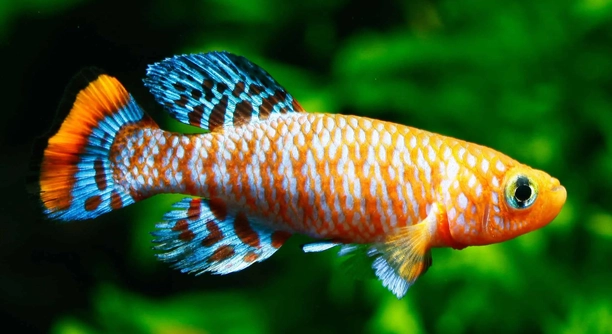
Breeding killifish indoors can be a rewarding hobby for many aquarium enthusiasts. These colorful fish offer unique challenges and joys when cared for at home. Successful breeding requires careful attention to their specific needs and environment.
Breeding killifish indoors demands maintaining stable water conditions, providing suitable spawning sites, and managing temperature and lighting. Consistent care and observation help ensure healthy eggs and fry development, increasing the chances of successful breeding in a controlled setting.
Learning simple tricks can improve your results and make the process smoother. The following tips will help you create a better environment for your killis and increase breeding success.
Setting Up the Right Tank Environment
Creating the ideal tank setup is essential for breeding killifish indoors. A small tank between 5 to 10 gallons works well, as killis prefer confined spaces for spawning. Use a soft substrate like peat moss or fine sand to encourage natural behavior. Adding floating plants or spawning mops provides places for the fish to lay eggs. Keep the water clean but avoid strong currents, as killifish prefer calm water. The temperature should be stable, usually between 72 and 78 degrees Fahrenheit, depending on the species. Lighting should be moderate, mimicking a natural day-night cycle to keep the fish comfortable. Regular water changes help maintain water quality, which is crucial for both adult fish and developing eggs. It’s important to keep the tank covered to prevent evaporation and sudden temperature drops. By carefully controlling these factors, you create an environment that supports breeding without stressing the fish.
Maintaining water quality is a continuous task that directly affects breeding success.
Paying close attention to water parameters is vital for killifish reproduction. Parameters such as pH, hardness, and temperature should be monitored and kept within species-specific ranges. Regular testing and water changes prevent harmful buildup of toxins. Avoid overfeeding, as uneaten food can degrade water quality quickly. Using a sponge filter helps provide gentle filtration without disturbing eggs. Patience and consistency with water care improve the chances of healthy fry hatching and growing.
Feeding for Breeding Success
Feeding plays a crucial role in preparing killifish for spawning. A varied diet that includes live foods like brine shrimp, daphnia, and mosquito larvae boosts their health and stimulates breeding behavior. High-quality frozen foods can be a good substitute when live options are unavailable. Feeding small amounts multiple times a day keeps the fish in good condition without polluting the water. Avoid overfeeding, which can cause water quality issues and stress. Healthy, well-nourished fish are more likely to spawn successfully and produce strong offspring. Including protein-rich foods supports egg development and increases fertility rates. When killifish receive proper nutrition, they exhibit brighter colors and more active courtship, both signs of readiness to breed. Monitoring their diet and adjusting as needed helps maintain optimal health and encourages breeding behavior. Proper feeding combined with the right environment sets a strong foundation for successful indoor killifish breeding.
Controlling Temperature and Lighting
Stable temperature is crucial for killifish breeding. Most species thrive between 72°F and 78°F. Sudden fluctuations can stress the fish and reduce spawning chances.
Using a reliable heater helps keep water temperature steady. Avoid placing the tank near windows or vents where temperature can change quickly. Lighting should mimic natural cycles, usually 10 to 12 hours daily. Too much light may stress the fish, while too little can disrupt breeding behaviors.
A consistent day-night cycle supports normal activity and encourages spawning. Use a timer to automate lighting for better control. Avoid bright or direct light that could cause discomfort. Observing how the fish respond to lighting changes will guide adjustments for optimal breeding conditions.
Using Spawning Mops and Plants
Spawning mops are effective for collecting killifish eggs. They imitate the texture of plants, providing a safe place for eggs to attach. Mop fibers should be soft and dense enough to catch eggs but easy to remove.
Floating plants like java moss also work well, offering natural shelter for eggs and fry. Removing the mop or plants after spawning helps protect eggs from being eaten. You can incubate the eggs separately to increase survival rates.
Regularly check the spawning materials for eggs and clean them carefully. This practice keeps the tank environment healthy and promotes successful hatching. Using mops and plants gives killifish a familiar space to reproduce naturally.
Separating Adults After Spawning
Separating adults after spawning helps protect the eggs and fry from being eaten. Killifish sometimes show aggression or eat their own eggs, so removing the adults is important for survival.
Use a temporary tank or container to house the adults while eggs develop. This prevents stress and improves hatch rates.
Monitoring Egg Development
Keep the eggs in a stable, clean environment with the right temperature to ensure healthy development. Most killifish eggs hatch within two to three weeks. Avoid disturbing the eggs to prevent damage or fungus growth.
Caring for Fry
Once the fry hatch, feeding them small live foods like infusoria or newly hatched brine shrimp supports their growth. Keep the water clean and maintain stable conditions for better survival.
Preventing Fungal Infections
Fungal infections can kill eggs and fry quickly. Use antifungal treatments or gently remove infected eggs to protect the rest. Maintaining water quality reduces the risk of fungus spreading.
FAQ
How long does it take for killifish eggs to hatch?
Killifish eggs usually hatch within 10 to 21 days, depending on the species and water temperature. Warmer water speeds up development but can increase risks if not stable. Cooler temperatures slow the process, which sometimes helps avoid fungus growth. Watching for tiny movements inside the eggs helps you know when hatching is near.
Can killifish eggs survive in regular tap water?
Most killifish eggs need soft, slightly acidic water to develop properly. Regular tap water often has chlorine and minerals that can harm the eggs. Using aged or filtered water reduces harmful chemicals. Testing and adjusting pH and hardness improve survival rates for sensitive eggs.
Should I remove adults immediately after spawning?
Yes, removing adults soon after spawning prevents them from eating the eggs or stressing the fry. Some killifish species are more aggressive toward eggs than others, but it’s safer to separate adults early. This practice increases the chances of healthy hatchlings.
How often should I feed killifish fry?
Feed killifish fry small amounts multiple times a day, usually 3 to 4 times. They need tiny live foods like infusoria or microworms for the first weeks. As they grow, gradually introduce larger foods like newly hatched brine shrimp. Frequent feeding supports steady growth and health.
What water temperature is best for breeding killifish?
Most killifish breed best between 72°F and 78°F. Maintaining a stable temperature is more important than hitting an exact number. Sudden temperature changes cause stress and reduce spawning chances. Use a heater with a thermostat and keep the tank away from drafts or direct sunlight.
Can I use artificial plants instead of spawning mops?
Yes, artificial plants can work if they have fine leaves or fibers for eggs to attach. Some killifish prefer natural textures, so combining artificial and real plants may increase success. Ensure the material is soft and clean to avoid damaging eggs.
How do I prevent fungus on killifish eggs?
Maintaining clean water with good circulation helps prevent fungus. Using antifungal treatments designed for aquarium eggs can protect them further. Removing any eggs that show signs of fungus early stops it from spreading. Avoid overcrowding and keep the tank stable.
Is it necessary to isolate eggs for incubation?
Isolating eggs can increase survival by protecting them from adults and tank debris. Some breeders prefer keeping eggs in a separate container with controlled conditions. However, many killifish can breed successfully with eggs left in the main tank if adults are removed promptly.
What is the best food for adult killifish to encourage spawning?
High-protein live foods like brine shrimp, daphnia, and bloodworms encourage spawning behavior. A varied diet including frozen and dry foods also helps maintain health. Feeding small amounts several times daily keeps adults in good condition for breeding.
How do I tell if my killifish are ready to breed?
Males usually display brighter colors and more active courtship behavior when ready. Females become fuller-bodied as eggs develop. Observing these changes along with consistent water conditions can indicate when spawning is likely to occur.
Breeding killifish indoors can be a satisfying experience if you take the time to understand their needs. These fish require a stable and carefully controlled environment to breed successfully. Keeping water conditions steady, providing suitable places for eggs, and feeding them properly are key factors. It is important to watch their behavior closely and adjust care as needed. While it may take patience and attention, the rewards of seeing healthy fry grow make the effort worthwhile. Following simple steps can make the process easier and less stressful for both you and your fish.
Creating the right tank setup is one of the most important parts of breeding killifish. Using a small tank with soft substrate and gentle filtration supports natural spawning habits. Adding spawning mops or plants helps protect eggs and encourages females to lay them. Temperature and lighting should mimic natural conditions as much as possible. Keeping these factors stable helps reduce stress and increases the chances of successful breeding. Feeding adults a varied diet rich in live foods strengthens their health and promotes egg production. Taking time to learn about your specific killifish species will help you provide the best care.
Caring for eggs and fry also requires patience and care. Separating adults after spawning protects eggs from being eaten. Watching eggs closely for signs of fungus and keeping water clean helps improve hatch rates. Feeding fry tiny live foods in small amounts supports healthy growth. Each step in the breeding process plays an important role in raising strong young killifish. By paying attention to these details, you create an environment where killifish can thrive indoors. With practice and consistency, breeding killifish can become an enjoyable and rewarding part of keeping your aquarium.

Hello,
If you enjoy the content that we create, please consider saying a "Thank You!" by leaving a tip.
Every little bit helps us continue crafting quality advice that supports the health, happiness, and well-being of pets around the world, for pets of all shapes, sizes, and species.
We really appreciate the kindness and support that you show us!