
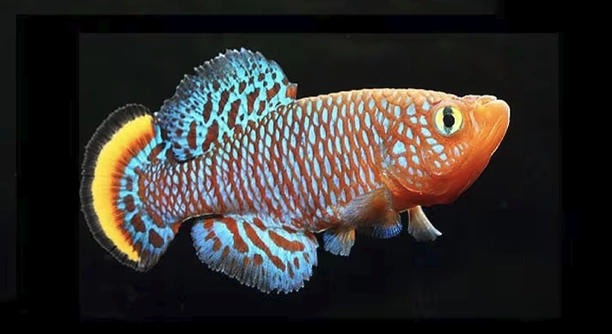
Are your killifish refusing certain foods no matter how many times you try to offer them? It can be frustrating, especially when you’re trying to give them a balanced and healthy diet.
Killifish commonly reject foods that are too large, overly processed, or lack movement, as these do not mimic their natural prey. Their selective eating habits are often shaped by instinct, environment, and early feeding experiences.
Understanding why they turn away from specific foods can help you make better choices. This list explores seven common foods your killifish are likely to ignore—and why it matters.
Flake Food That Sinks Too Fast
Flake food is a staple in many fish tanks, but not all types work well for killifish. These fish typically feed near the water’s surface, and flakes that sink too quickly can be ignored. When food falls to the bottom, killifish may not recognize it as something to eat or may not be interested in chasing it. If your flakes dissolve too fast or clump together, they lose appeal. Over time, this can lead to wasted food and poor tank conditions. It’s important to find flakes that stay afloat longer and maintain their shape. This small change can make a big difference in how your killifish respond during feeding. Look for floating flakes made specifically for surface feeders. These tend to be lighter and more appealing. You may need to test a few brands to see which one works best in your tank without clouding the water or breaking apart.
Some flake foods are simply too dense or oily, which makes them sink faster than others. Killifish often ignore food that doesn’t stay within their feeding zone.
To avoid this issue, choose flake food that’s designed for slow sinking or floating. This mimics their natural feeding habits and encourages better eating behavior. Try feeding smaller portions at a time to reduce waste and give your fish a chance to eat before the food drops too low. Watch their behavior during feeding and make adjustments as needed. If flakes keep settling at the bottom uneaten, you may also want to try finely crushed flakes or floating micro pellets. These are usually easier for killifish to detect and eat before they reach the bottom. A small tweak to the type or brand of flake food can often lead to noticeable improvements in your killifish’s feeding habits.
Frozen Bloodworms
Frozen bloodworms might seem like a great option, but some killifish ignore them altogether. The texture, size, or lack of movement can be a turn-off for certain types, especially smaller species.
Bloodworms that are too large or stiff after thawing often get ignored. Killifish have small mouths and prefer foods they can eat quickly. When frozen bloodworms clump together, they’re harder to manage and lose appeal. Soft, loosely packed worms tend to do better, but even then, some killifish aren’t interested unless the food moves. They’re visual hunters, and the lack of natural motion from thawed bloodworms makes them seem uninteresting. If you notice your killifish aren’t eating them, it may not be a health issue—they just don’t recognize the food as something edible. You can try breaking them into smaller pieces or offering live blackworms instead. Live foods have movement, and that tends to trigger a better feeding response. Avoid overfeeding with bloodworms, as uneaten portions can quickly foul the water.
Freeze-Dried Daphnia
Freeze-dried daphnia may look like a suitable food, but killifish often ignore them. The texture is dry and brittle, and once in the water, they float awkwardly. Many killifish don’t recognize them as real prey and show little interest in eating them.
Killifish prefer foods that mimic the movement and softness of live prey. Freeze-dried daphnia lack both. Even when rehydrated, they tend to float on the surface in clumps, which can be unappealing. The scent also isn’t strong enough to trigger a feeding response in some fish. When offered repeatedly, killifish may completely ignore the food and begin waiting for something else. This leads to uneaten particles floating around or getting caught in filters, which can slowly affect water quality. Instead of forcing it, try offering freshly hatched baby brine shrimp or finely crushed, moist pellets that better resemble live food.
If you still want to offer daphnia, try frozen instead of freeze-dried. The frozen version is closer to what they’d eat in the wild and usually triggers a better response. Defrost it in a small cup with tank water before feeding. You can also use a dropper to release small amounts near the surface. This lets you control the pace and avoids overwhelming your killifish with too much food at once. Many fish, including killifish, eat better when food is slowly introduced rather than dumped all at once. Over time, you’ll notice if they begin responding better to these small changes in presentation and form. If they continue to ignore daphnia, it’s best to move on to something more effective and consistent.
Large Pellets
Large pellets are often marketed as a complete food, but they rarely suit killifish. These fish have small mouths and delicate jaws, so larger pellets are hard for them to grab, chew, or swallow properly.
Most killifish prefer food that fits comfortably into their mouths. Large pellets tend to sink quickly and are too hard, even after soaking. As a result, they either spit them out or ignore them altogether. Some may attempt to eat the pellets, but you’ll often see them give up after a few tries. Over time, the uneaten food can pile up, leading to poor tank conditions. If you want to use pellets, choose ones labeled for micro or nano fish. These are smaller in size, easier to soften, and more likely to be accepted. You can also soak pellets in tank water before feeding to improve texture and reduce rejection. Consistency and size both matter when it comes to pellet feeding.
Vegetable-Based Wafers
Vegetable wafers are designed for bottom feeders and herbivores, so it’s not surprising that killifish usually ignore them. These fish are insectivores by nature and don’t respond well to foods that lack animal protein or movement.
Even if the wafers soften in water, their scent and texture still don’t appeal to killifish.
Dry Tubifex Cubes
Dry tubifex cubes often float or stick to the glass, and that’s not how killifish naturally find food. The dryness and compact texture make them less likely to be eaten. Even when soaked, the cubes often break apart in a messy way. You may notice your killifish nibble and swim off quickly without real interest. They usually prefer live or frozen tubifex because the movement and moisture mimic their wild feeding behavior. If you want to feed tubifex, try placing the live version in a feeder ring at the surface. That approach tends to draw a stronger and more consistent feeding response.
Sinking Carnivore Pellets
These pellets usually land straight at the bottom, which is outside the feeding zone of most killifish. The lack of motion and firm texture makes them easy to ignore. Over time, they may cloud the water or grow mold if not removed quickly.
What should I feed my killifish if they reject common foods?
If your killifish reject common foods like flakes or pellets, try offering live or frozen options such as brine shrimp, blackworms, or daphnia. These foods move naturally, which triggers their hunting instincts. Smaller, softer food items are often preferred since killifish have tiny mouths. Mixing different types can keep their diet interesting and encourage feeding. Avoid large or dry foods that don’t resemble their natural prey. Also, observe their behavior to learn which foods they accept best, then focus on those to keep them healthy and active.
Why do killifish refuse frozen bloodworms but eat live ones?
Killifish rely on movement and scent when choosing food. Frozen bloodworms lack the natural motion and sometimes have a different texture after thawing, which can make them less appealing. Live bloodworms wiggle and trigger the killifish’s hunting instincts, encouraging them to eat. If frozen bloodworms are ignored, try breaking them into smaller pieces or thawing them properly to soften the texture. Offering live foods regularly often results in better feeding responses and helps reduce food waste.
Can poor water quality cause killifish to reject food?
Yes, poor water quality can affect your killifish’s appetite. If the water is dirty, overly warm, or has high ammonia or nitrate levels, fish may become stressed or sick, leading to refusal of food. Regular water changes and maintaining proper tank conditions help keep killifish healthy and willing to eat. Monitor water parameters with a test kit and act quickly to fix any imbalances. Clean water supports good fish health and feeding behavior.
Is it normal for killifish to be picky eaters?
Yes, killifish are naturally selective. They evolved to feed on small, moving prey in their native habitats. This instinct can make them less interested in processed or unnatural foods. Picky eating is common, especially with newly introduced foods or changes in diet. Patience and variety are key. Offer live or frozen foods first, then slowly introduce other options. Feeding at consistent times and observing their preferences helps reduce fussiness over time.
How often should I feed my killifish?
Feed your killifish small amounts once or twice a day. Overfeeding leads to uneaten food, which can pollute the tank and stress your fish. Offer only what they can finish in a few minutes. If you have young or breeding killifish, they may need slightly more frequent feedings. Watch their behavior to adjust feeding frequency and portion size. A regular feeding schedule helps keep them healthy and reduces food rejection.
Can temperature changes affect killifish appetite?
Yes, killifish appetite can decrease if the water temperature is too low or fluctuates suddenly. These fish prefer stable temperatures suited to their species, usually between 72–78°F (22–26°C). Cooler water slows their metabolism, making them less active and less hungry. Avoid sudden temperature shifts by monitoring the tank heater and keeping the environment stable. Proper temperature encourages normal feeding and digestion.
What do I do if my killifish refuses all types of food?
If your killifish refuses all food, check water quality and temperature first. Stress, illness, or poor tank conditions are common reasons for loss of appetite. Observe for signs of disease like lethargy, spots, or abnormal swimming. Try offering live food to stimulate feeding. If they still don’t eat after 2–3 days, consult an aquatic veterinarian or experienced hobbyist. Prompt action can prevent serious health problems.
When it comes to feeding killifish, understanding their natural habits can make all the difference. These fish are small predators, used to hunting tiny, moving prey in their natural environments. Because of this, they often reject foods that don’t resemble what they are used to eating. Foods that are too large, dry, or lack movement tend to be ignored. It’s important to keep this in mind when choosing what to feed your killifish. Offering food that mimics their natural diet helps ensure they get the nutrition they need and stay healthy.
It can be frustrating when killifish refuse the foods you provide, but patience and observation will help. Try different options like live or frozen foods such as brine shrimp, blackworms, or daphnia. These are usually well accepted because of their size and natural movement. Avoid large pellets, dry vegetable wafers, or sinking foods that don’t stay in the feeding zone. Pay attention to how your killifish respond and adjust the diet accordingly. Over time, you’ll learn which foods work best and how to feed them in a way that encourages consistent eating.
Maintaining good water quality and stable tank conditions is just as important as choosing the right foods. Killifish can become stressed if the environment is poor, which affects their appetite. Regular water changes, proper temperature, and clean filters create a healthy space that supports feeding and growth. Remember, feeding your killifish is not just about what you give them but also how you care for their overall habitat. By combining the right foods with proper tank care, your killifish will have a better chance to thrive and display their natural behaviors.

Hello,
If you enjoy the content that we create, please consider saying a "Thank You!" by leaving a tip.
Every little bit helps us continue crafting quality advice that supports the health, happiness, and well-being of pets around the world, for pets of all shapes, sizes, and species.
We really appreciate the kindness and support that you show us!