
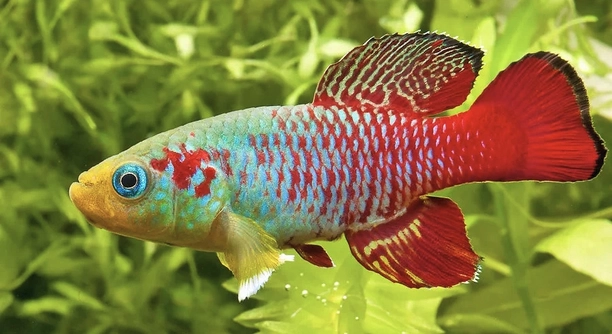
Keeping killifish with other tankmates can be rewarding but sometimes challenging. Killifish have specific needs and behaviors that may cause issues when paired with certain species. Recognizing common problems helps maintain a peaceful and healthy aquarium environment.
Common tankmate issues with killifish include aggression, territorial disputes, differences in water parameters, feeding competition, breeding interference, disease transmission, and stress from incompatible tank sizes. These factors affect the well-being and compatibility of killifish with other fish.
Understanding these common challenges can improve tank management and fish health. Addressing these issues ensures a more balanced and enjoyable aquatic environment for your killifish and their companions.
Aggression and Territorial Behavior
Killifish are known for their strong territorial instincts, especially males. When kept with other fish that share similar tank space or swimming levels, fights can break out. This aggressive behavior can lead to injuries or stress, which affects the overall health of the tank. It’s important to provide plenty of hiding spots and visual barriers to reduce confrontations. Sometimes, tankmates that seem peaceful at first can trigger aggression if they invade killifish territories or compete for the same resources. Smaller or more passive fish often suffer the most. To manage aggression, it helps to monitor the tank closely and separate aggressive individuals if needed. Adjusting tank layout or reducing the number of fish can also ease tensions and create a more harmonious environment.
Aggression can disrupt tank balance quickly. Early intervention and proper tank setup help minimize these issues effectively.
Killifish aggression often occurs when males compete for mates or defend breeding sites. Providing dense plants, caves, or driftwood allows fish to establish their own space and escape threats. Avoid overcrowding the tank, as limited space increases stress and fighting. Choosing compatible tankmates that occupy different levels or swim styles also helps. Peaceful bottom dwellers or species that prefer calmer waters usually coexist better. Regular observation is key to catching early signs of aggression, such as chasing, nipping, or hiding. If aggression persists, separating the fish temporarily or permanently may be necessary to protect the more vulnerable tankmates. Maintaining water quality and stable conditions supports stress reduction, which can lessen aggressive tendencies. Managing aggression effectively promotes healthier, longer lives for killifish and their companions.
Differences in Water Parameters
Killifish require specific water conditions, such as pH, temperature, and hardness, which may differ from other tankmates. Incompatible water parameters can cause stress or illness. It’s essential to research the needs of all fish before housing them together.
Water quality is vital for killifish health and compatibility.
Balancing water parameters for multiple species can be challenging. Killifish generally thrive in slightly acidic to neutral pH and moderate temperatures. Many common tankmates prefer different ranges, leading to stress if conditions do not suit all fish. Frequent testing and gradual adjustments are necessary to maintain a stable environment. Sudden changes in pH or temperature can weaken fish immune systems, making them prone to diseases. Using buffer substances and reliable heaters helps keep conditions steady. If a compromise in water conditions is not possible, selecting species with similar needs or keeping killifish in a dedicated tank is advisable. This approach prevents chronic stress and supports the well-being of all aquarium inhabitants.
Feeding Competition
Feeding time can become stressful when killifish share a tank with fast or aggressive eaters. Killifish are slower feeders and may miss out on food, affecting their health and growth.
Fast-eating fish often consume food quickly, leaving little for killifish. This competition can cause malnutrition and weaken killifish over time. To prevent this, distribute food evenly and offer meals in multiple spots around the tank. Using sinking pellets or foods that reach lower levels helps killifish access nourishment. Feeding smaller amounts more frequently can also reduce competition and ensure all fish receive enough nutrients. Monitoring feeding behavior closely is essential to catch early signs of poor nutrition.
Providing separate feeding times or areas for killifish can improve their intake. Adjusting tankmates to less competitive species is sometimes necessary to protect killifish health and maintain balance.
Breeding Interference
Killifish breeding can be disrupted by active or curious tankmates. Other fish may disturb eggs or fry, reducing breeding success and stressing the killifish.
Tankmates that are territorial or inquisitive often interfere with spawning sites. This disturbance can lead to eggs being eaten or fry injured, lowering survival rates. Providing secluded breeding areas or separate breeding tanks helps protect the young. Dense plants, spawning mops, or breeding traps offer shelter and safety. Monitoring behavior during breeding periods is crucial to identify and minimize interference. Removing aggressive or disruptive species temporarily also improves breeding outcomes. Supporting killifish during this time ensures better reproduction and population growth.
Creating a safe, controlled breeding environment allows killifish to reproduce with less risk. Adjusting tank composition around breeding times can improve success and reduce stress.
Disease Transmission
Killifish can be vulnerable to diseases brought by other tankmates. Introducing new fish without proper quarantine increases this risk.
Quarantining new arrivals for at least two weeks helps prevent spreading infections. Healthy tank maintenance and regular water changes reduce disease outbreaks.
Stress from Incompatible Tank Sizes
Small tanks with many fish increase stress for killifish. Overcrowding limits space and causes constant competition.
Providing adequate space reduces stress and supports natural behaviors.
Incompatible Swimming Levels
Killifish often swim near the surface or mid-levels. Tankmates that occupy the same space can cause stress and territorial disputes.
Choosing fish that prefer different tank levels helps reduce conflict and maintain peace.
What tankmates are best suited for killifish?
The best tankmates for killifish are peaceful species that occupy different swimming levels or have calm temperaments. Small bottom dwellers like Corydoras catfish or peaceful shrimp are often good choices. Avoid aggressive or very active fish that may outcompete killifish for food or space. Species that thrive in similar water parameters—such as tetras or rasboras—can also work well if the tank is large enough. Choosing tankmates with different behaviors and needs helps reduce stress and territorial issues.
How can I reduce aggression between killifish and other fish?
To reduce aggression, provide plenty of hiding spots using plants, rocks, and decorations to break up the tank visually. Avoid overcrowding, as limited space increases territorial fights. Observe your fish regularly and remove any aggressive individuals quickly. Feeding multiple areas in the tank can reduce competition. Keeping killifish with less aggressive species that do not compete for the same territory or food also helps. Maintaining stable water conditions decreases stress, which lowers aggression overall.
What signs show my killifish is stressed by tankmates?
Signs of stress in killifish include hiding more than usual, loss of appetite, faded colors, and erratic swimming. You may also notice physical damage such as torn fins or scratches from fighting. Lethargy and rapid breathing can indicate poor water quality or stress as well. Early detection is important. Regular observation during feeding and resting periods helps catch problems before they worsen. Adjusting tankmates, tank setup, or water conditions often improves the killifish’s well-being.
How do I prevent disease when introducing new tankmates?
Quarantine new fish for at least two weeks before adding them to your main tank. This period allows you to monitor for signs of illness like spots, unusual swimming, or lethargy. Use separate equipment and disinfect nets between tanks to avoid cross-contamination. Maintaining good water quality with regular changes reduces the risk of disease outbreaks. Feeding a balanced diet strengthens fish immune systems. If disease appears, isolate affected fish and treat the entire tank if necessary.
Can killifish live with aggressive species?
Killifish generally do not do well with aggressive species. Aggressive fish can injure or stress killifish, leading to poor health or death. If you must keep them together, provide ample hiding spaces and a large tank to reduce encounters. However, for the best outcome, it is recommended to avoid mixing killifish with known aggressive fish. Peaceful, smaller fish that do not compete heavily are safer companions.
What tank size is recommended for killifish and tankmates?
A minimum tank size of 10 to 20 gallons is recommended for a small group of killifish with compatible tankmates. Larger tanks help reduce territorial disputes by providing more space and hiding spots. Overcrowding stresses killifish and other fish, leading to aggression and health problems. Always research the adult size and behavior of all species before mixing to ensure enough room for everyone.
How often should I feed killifish when housed with other fish?
Feeding killifish once or twice daily with small amounts is best. Distribute food in multiple locations to ensure killifish get their share, especially if they share the tank with faster eaters. Using sinking pellets or frozen foods helps killifish access food at lower tank levels. Avoid overfeeding, which can lead to water quality issues. Careful feeding practices support good nutrition and reduce competition.
What water parameters are ideal for killifish and their tankmates?
Killifish thrive in slightly acidic to neutral pH (6.0–7.5) with temperatures between 72°F and 78°F (22°C–26°C). Water hardness should be soft to moderately hard. Tankmates should have similar requirements to avoid stress. Maintaining stable, clean water with regular testing is critical. Sudden changes in temperature, pH, or hardness can harm killifish and other fish. Proper filtration and partial water changes help keep conditions ideal.
How do I handle breeding killifish in a community tank?
Breeding killifish in a community tank is challenging due to interference from other fish. Eggs and fry are often eaten or disturbed. Providing dense plants, spawning mops, or separate breeding tanks improves success. Removing aggressive or curious tankmates during breeding periods reduces risks. Some hobbyists prefer dedicated breeding tanks to protect offspring and reduce stress on adults. Careful planning and monitoring increase the chances of raising healthy fry.
Can I keep killifish with invertebrates?
Killifish generally coexist well with peaceful invertebrates like shrimp or snails. However, very small shrimp or fry may become prey if the killifish are hungry or aggressive. Providing hiding places and monitoring interactions helps protect invertebrates. Avoid aggressive or large invertebrates that could harm killifish. Maintaining water parameters suitable for both groups supports health and reduces conflict.
These answers aim to help manage common tankmate issues with killifish and create a stable, healthy aquarium environment.
Keeping killifish with other fish can be rewarding but also comes with challenges. Killifish have unique needs and behaviors that may not always match well with common tankmates. Understanding these differences helps create a more peaceful and healthy aquarium. When selecting tankmates, it is important to consider their temperament, water requirements, and swimming habits. Avoiding aggressive or very active species reduces the chances of stress and injury. Providing enough space and hiding spots allows killifish to feel safe and establish their territories. Careful planning and observation are key to maintaining a balanced tank.
Many common issues with killifish tankmates stem from aggression, feeding competition, and water parameter differences. Killifish are often slower feeders and may lose out when housed with fast-eating fish. This can lead to malnutrition and weaker immune systems. Aggression mainly comes from territorial disputes, especially between males. Proper tank layout with plants, caves, and other barriers helps reduce conflicts. Water quality and stability are essential, as sudden changes or incompatible conditions cause stress or illness. Quarantining new fish and regular maintenance keep disease risks low. Managing these factors promotes the well-being of both killifish and their companions.
Patience and attention make a big difference in keeping killifish successfully with other fish. Regularly monitoring behavior and health allows early detection of problems. Adjusting tankmates or the environment as needed improves harmony. Sometimes, a species that looks suitable may not work well due to personality or tank conditions. It is okay to separate fish or choose dedicated tanks when necessary. Ultimately, understanding killifish’s natural habits and requirements leads to better decisions and a happier aquarium. With thoughtful care, killifish can live peacefully alongside compatible tankmates for a long time.

Hello,
If you enjoy the content that we create, please consider saying a "Thank You!" by leaving a tip.
Every little bit helps us continue crafting quality advice that supports the health, happiness, and well-being of pets around the world, for pets of all shapes, sizes, and species.
We really appreciate the kindness and support that you show us!